Artists have relied on drying oils as a primary medium since the Renaissance, appreciating their flexibility, durability, and aesthetic qualities. However, preventing yellowing in oil paintings remains a key challenge for preserving their original appearance and artistic integrity. However, drying oils can yellow over time, impacting the visual integrity of artworks. Recent research by Cairns and Forbes (2020), presented in their paper titled “Insights into the yellowing of drying oils using fluorescence spectroscopy,” offers valuable guidance on selecting and managing drying oils to mitigate discoloration.
Differential Yellowing Among Oils
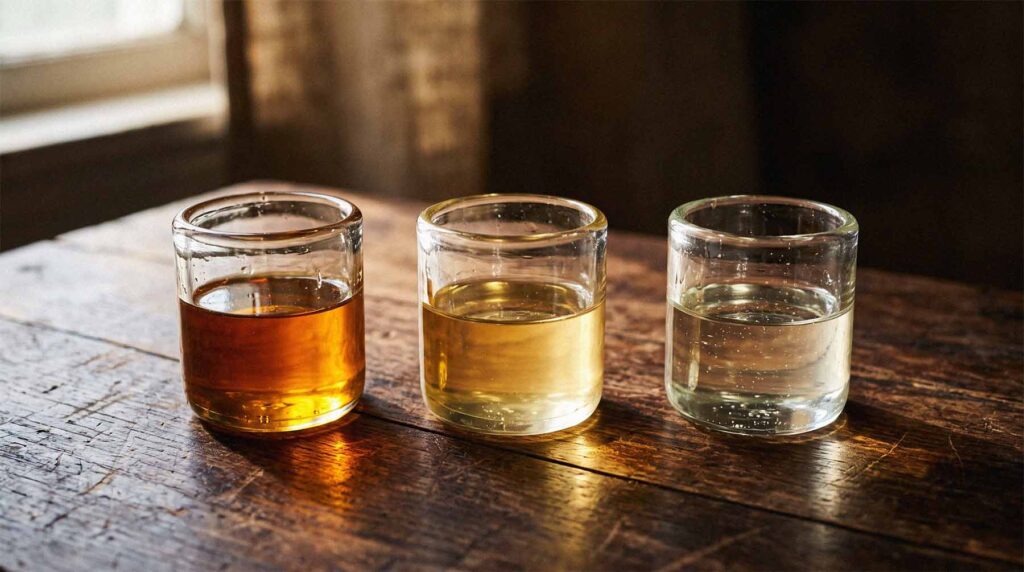
The study identifies significant differences among commercially available drying oils in terms of yellowing tendencies. Linseed oil, commonly chosen for its fast drying properties, exhibits considerable yellowing due to its high content of unsaturated fatty acids such as linolenic and linoleic acids. In contrast, poppy seed oil demonstrates moderate yellowing, and stand oil—a pre-polymerized form of linseed oil—shows minimal discoloration.
Fatty Acids
Linseed oil (%)
Poppy seed oil (%)
Walnut oil (%)
Safflower oil (%)
Palmitic acid (C16:0)
6–8
8–12
3–7
5.5–7
Stearic acid (C18:0)
3–6
2–3
0.5–3
2–3
Oleic acid (C18:1)
14–24
12–17
9–30
10–35
Linoleic acids (C18:2)
14–19
55–65
57–76
55–81
Linolenic acid (C18:3)
48–60
3–8
2–16
0–1
Techniques for Preventing Yellowing in Oil Paintings
Application Techniques to Prevent Yellowing
Applying thin, uniform layers of paint promotes even drying, minimizing yellowing and surface cracking. Although the Cairns and Forbes study does not explicitly detail why thin layers reduce discoloration, it is widely supported that thinner layers dry uniformly, preventing uneven oxidation and reducing the extent of visible yellowing.
Considerations When Using Water-Miscible Linseed Oils
Cairns and Forbes (2020) found that water-miscible linseed oil, which contains emulsifiers to increase water solubility, yellows significantly more after curing compared to traditional linseed oil. The presence of emulsifiers possibly facilitates chemical reactions during curing, accelerating discoloration. Thus, artists aiming for long-term color stability should consider traditional drying oils without emulsifiers.
Optimal Storage and Display Conditions
Storage and display conditions greatly influence yellowing rates. Dark environments notably accelerate discoloration, whereas controlled exposure to indirect or diffused natural light or museum-quality artificial lighting effectively maintains original color integrity. Artists and collectors should carefully manage lighting conditions to balance these factors effectively.
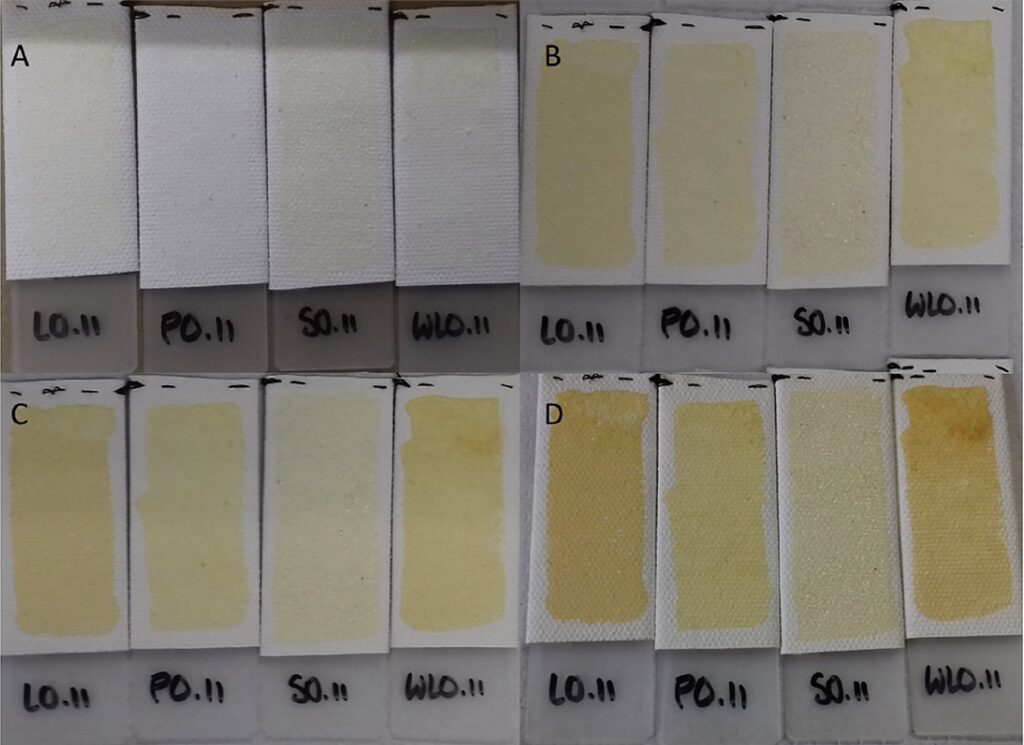
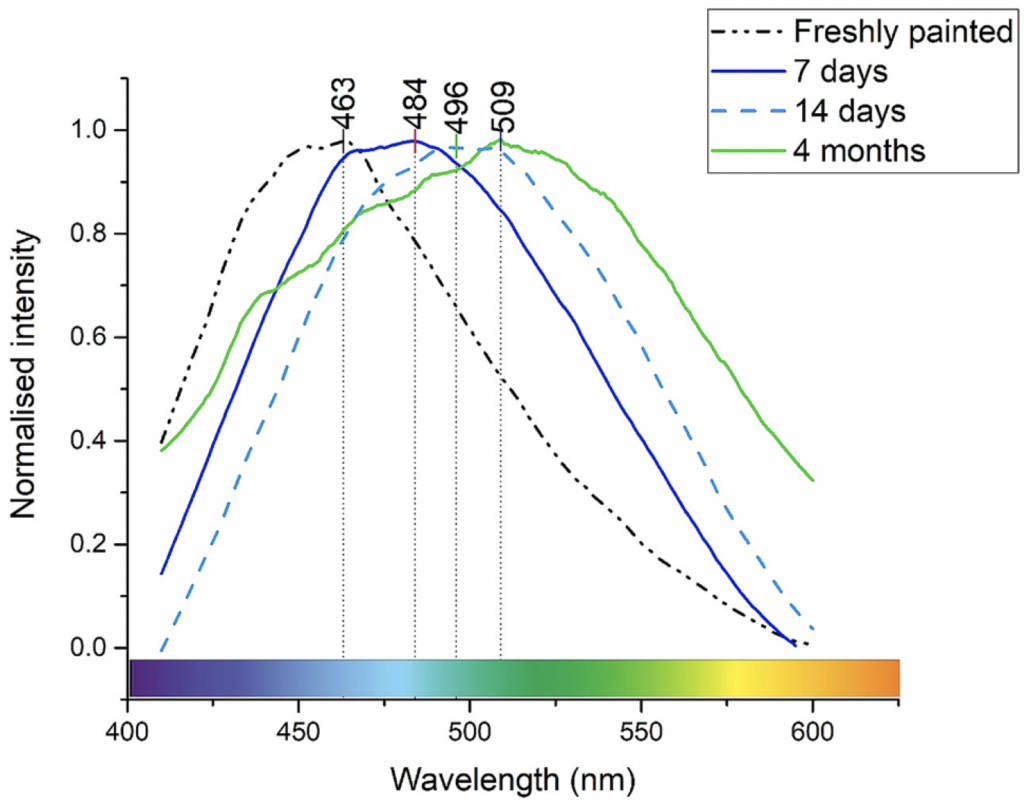
Figure 1:Visual representation of yellowing progression in linseed oil films. From left to right: freshly painted oil (a), after 7 days (b), 14 days (c), and 4 months (d) stored in darkness following initial 24-hour UV-light exposure. This simulated aging highlights the severe discoloration potential when artworks are stored in prolonged darkness.Figure 2:This graph shows how the fluorescence spectrum of aged linseed oil changes after exposure to UV light for 24 hours and subsequent storage in darkness. The x-axis represents the emission wavelength, while the y-axis shows the fluorescence intensity. Initially, the oil fluoresces at a shorter wavelength (blue light), but as the oil ages and yellows, the fluorescence shifts to a longer wavelength (green-yellow light). This shift, known as a bathochromic shift, indicates the chemical changes in the oil’s structure that occur during the aging and yellowing process. The excitation wavelength for all measurements was 360 nm. This evidence reinforces how light exposure and subsequent storage conditions influence the yellowing of linseed oil in paintings.
Due to the cyclic nature of yellowing and bleaching, discoloration alone may not reliably indicate artwork age. While sunlight can reverse discoloration, excessive exposure risks pigment degradation. Artists and conservators should thus manage lighting exposure carefully.
Want to read the full article and unlock all resources? Choose an option below:
Painting on wood panels? Learn how plywood, MDO, and HDO boards serve as durable supports. This guide covers stability, surface prep, pros & cons, and best practices for oil, acrylic, and tempera.
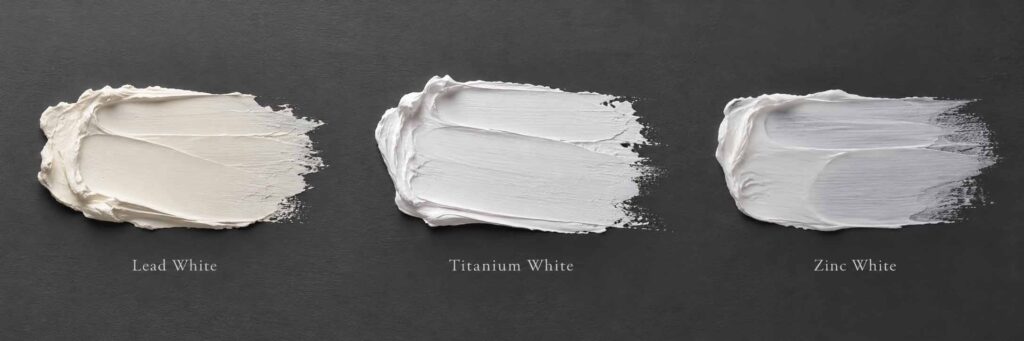
The white you choose affects more than the colors on your palette—it can influence how your painting ages for decades. Lead white, titanium white, and zinc white offer distinct advantages in opacity, tinting strength, and handling, but their long-term behavior differs. Discover what scientific research reveals about these pigments and how to make informed choices for your painting techniques and lasting durability.
thank you for your insightful offering. How does one avoid linseed oils with emulsifiers? does this imply water washing oil to rid off the impurities? which of the oils offered by naturalpigments do not have emulsifiers in them? please kindly advice. very best regards
Avoid water-miscible oil paints, as they contain linseed oils with emulsifiers. Natural Pigments does not make water-miscible oil paints.
Report
There was a problem reporting this post.
Block Member?
Please confirm you want to block this member.
You will no longer be able to:
See blocked member's posts
Mention this member in posts
Invite this member to groups
Message this member
Add this member as a connection
Please note:
This action will also remove this member from your connections and send a report to the site admin.
Please allow a few minutes for this process to complete.
Report
You have already reported this .
Cookie Consent
We use cookies to improve your experience on our site. By using our site, you consent to cookies.
Cookie Preferences
Manage your cookie preferences below:
Essential cookies enable basic functions and are necessary for the proper function of the website.
Name
Description
Duration
Cookie Preferences
This cookie is used to store the user's cookie consent preferences.
30 days
These cookies are needed for adding comments on this website.
Name
Description
Duration
comment_author
Used to track the user across multiple sessions.
Session
comment_author_email
Used to track the user across multiple sessions.
Session
comment_author_url
Used to track the user across multiple sessions.
Session
WooCommerce is a customizable eCommerce platform for building online stores using WordPress.
Name
Description
Duration
woocommerce_snooze_suggestions__
Allows dashboard users to dismiss Marketplace suggestions, if enabled.
2 days
woocommerce_dismissed_suggestions__
Count of suggestion dismissals, if enabled.
1 month
woocommerce_cart_hash
Helps WooCommerce determine when cart contents/data changes.
session
woocommerce_items_in_cart
Helps WooCommerce determine when cart contents/data changes.
session
wp_woocommerce_session_
Contains a unique code for each customer so that it knows where to find the cart data in the database for each customer.
2 days
woocommerce_recently_viewed
Powers the Recent Viewed Products widget
session
store_notice
Allows customers to dismiss the Store Notice.
session
Statistics cookies collect information anonymously. This information helps us understand how visitors use our website.
Facebook Pixel is a web analytics service that tracks and reports website traffic.
ID used to identify users for 24 hours after last activity
24 hours
_gat
Used to monitor number of Google Analytics server requests when using Google Tag Manager
1 minute
__utmc
Used only with old Urchin versions of Google Analytics and not with GA.js. Was used to distinguish between new sessions and visits at the end of a session.
End of session (browser)
__utmz
Contains information about the traffic source or campaign that directed user to the website. The cookie is set when the GA.js javascript is loaded and updated when data is sent to the Google Anaytics server
6 months after last activity
__utmv
Contains custom information set by the web developer via the _setCustomVar method in Google Analytics. This cookie is updated every time new data is sent to the Google Analytics server.
2 years after last activity
__utmx
Used to determine whether a user is included in an A / B or Multivariate test.
18 months
_ga
ID used to identify users
2 years
_gali
Used by Google Analytics to determine which links on a page are being clicked
30 seconds
_ga_
ID used to identify users
2 years
_gac_
Contains information related to marketing campaigns of the user. These are shared with Google AdWords / Google Ads when the Google Ads and Google Analytics accounts are linked together.
90 days
__utma
ID used to identify users and sessions
2 years after last activity
__utmt
Used to monitor number of Google Analytics server requests
10 minutes
__utmb
Used to distinguish new sessions and visits. This cookie is set when the GA.js javascript library is loaded and there is no existing __utmb cookie. The cookie is updated every time data is sent to the Google Analytics server.
30 minutes after last activity
Marketing cookies are used to follow visitors to websites. The intention is to show ads that are relevant and engaging to the individual user.
Name
Description
Duration
affwp_ref
Stores the referring affiliate ID for commission attribution.
30 days
affwp_ref_visit_id
Stores the visit ID linked to the referring affiliate.
30 days
affwp_campaign
Stores the affiliate campaign name for tracking purposes.



thank you for your insightful offering. How does one avoid linseed oils with emulsifiers? does this imply water washing oil to rid off the impurities? which of the oils offered by naturalpigments do not have emulsifiers in them? please kindly advice. very best regards
Avoid water-miscible oil paints, as they contain linseed oils with emulsifiers. Natural Pigments does not make water-miscible oil paints.