
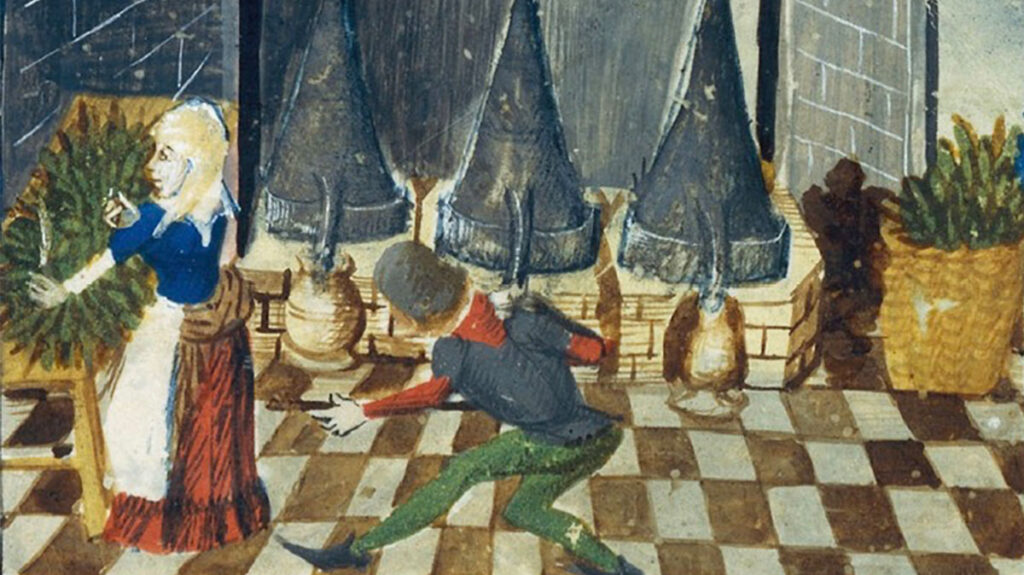
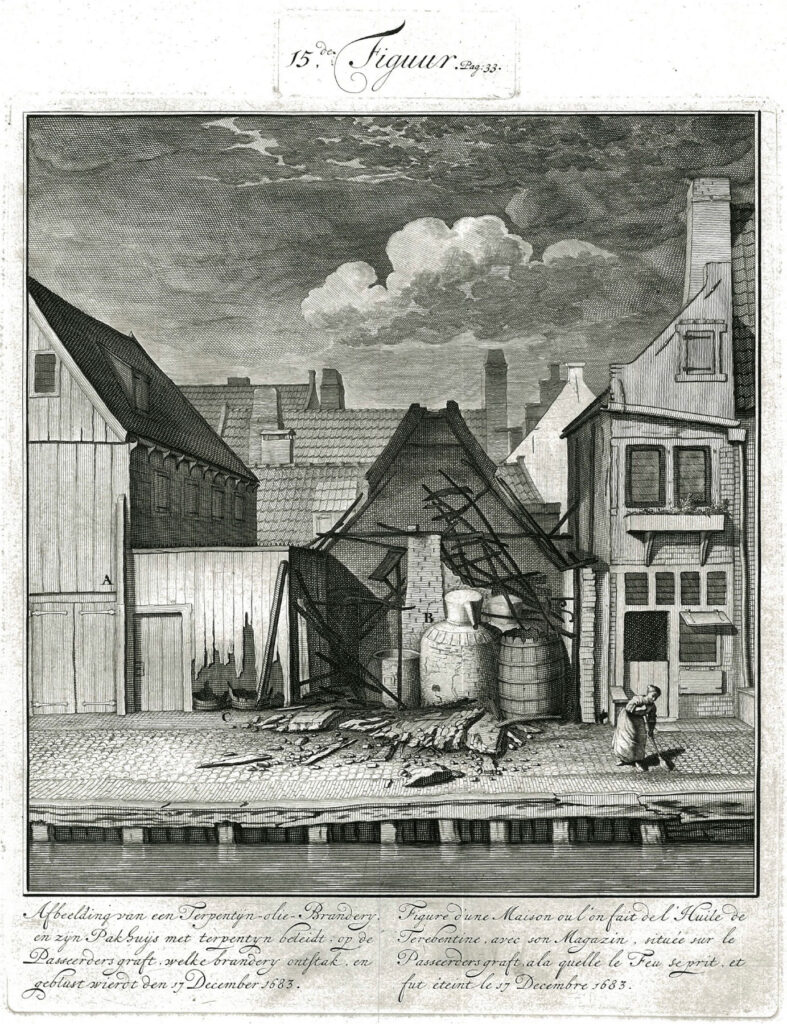
The Legacy of Distilled Turpentine in Painting

Want to read the full article and unlock all resources? Choose an option below:
Already a member? Log in to continue Try 7 days free — $0Cancel anytime · 30-day money-back guarantee
Want to read the full article and unlock all resources? Choose an option below:
Already a member? Log in to continue Try 7 days free — $0

Learn how canvas sizing affects canvas tension, cracking, and humidity response, and when to choose PVA or acrylic sizes for oil painting longevity.

Discover how the gilding base color influences gilded surfaces. Insights into medieval gilding techniques, myths, and modern applications for artists.
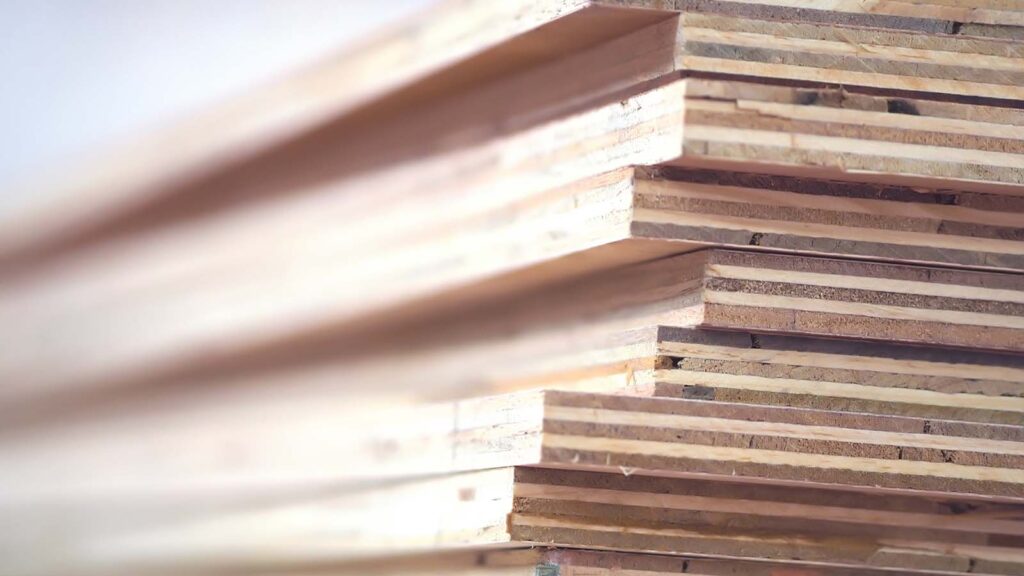
Painting on wood panels? Learn how plywood, MDO, and HDO boards serve as durable supports. This guide covers stability, surface prep, pros & cons, and best practices for oil, acrylic, and tempera.
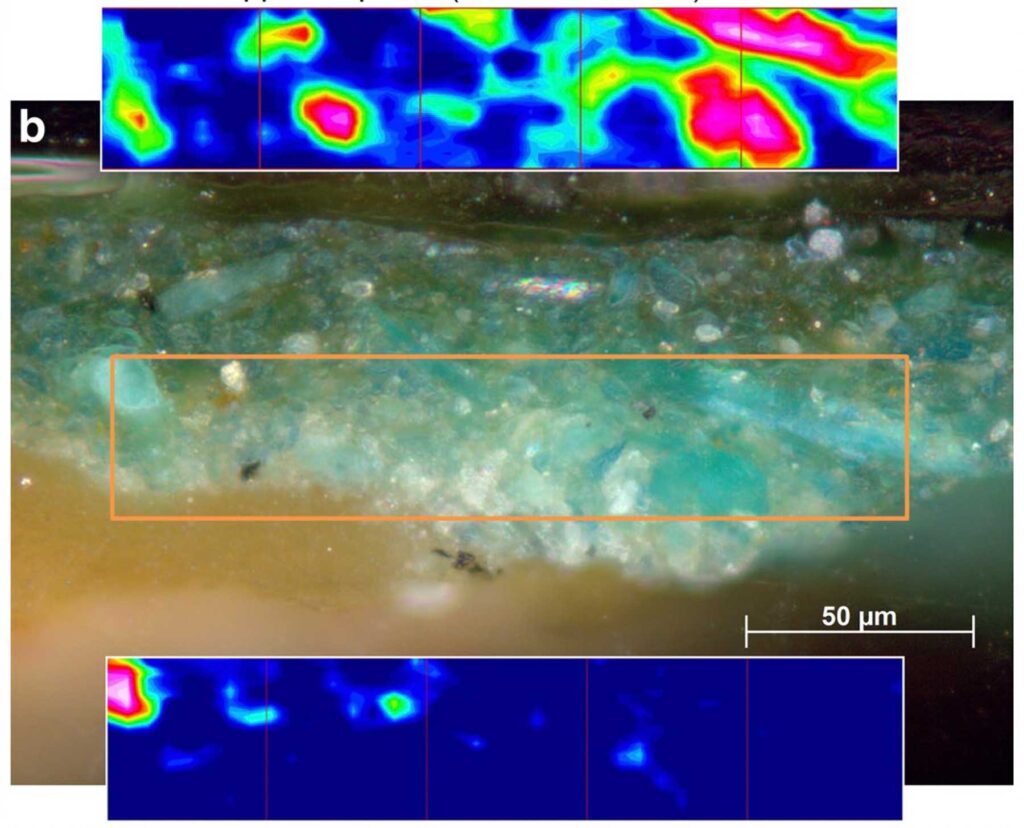
Discover the materials and methods used by Netherlandish artists. Learn how historical painting techniques can enhance modern art.
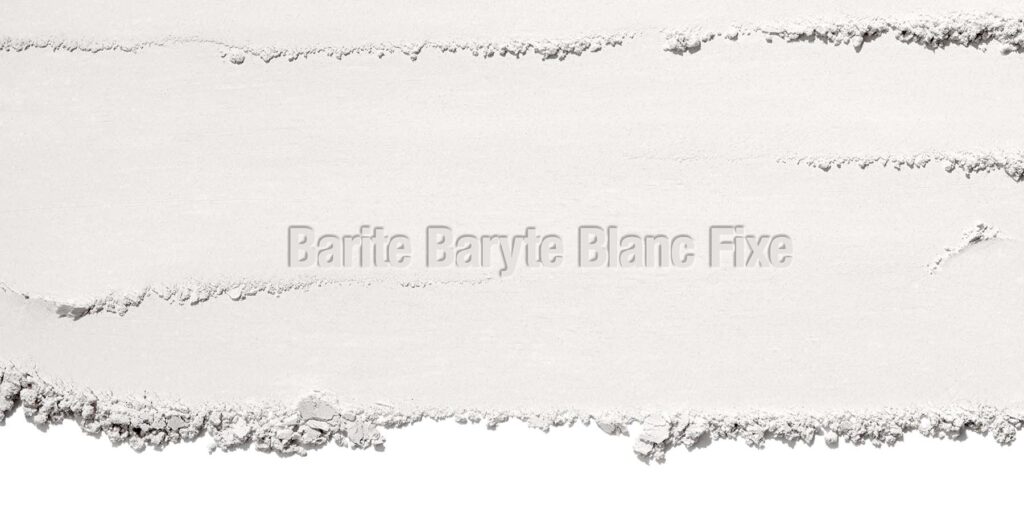
Discover how barite (baryte or blanc fixe) has shaped oil painting from the 18th century to today. Learn its properties, uses, and hidden drawbacks—why it stabilizes paint but can cause brittleness or “chalking” when overused.
Please confirm you want to block this member.
You will no longer be able to:
Please note: This action will also remove this member from your connections and send a report to the site admin. Please allow a few minutes for this process to complete.
This is fascinating, useful information! Perhaps a next article might examine the current trend of substituting oderless paint thinners for distilled turpentine – the implications for paint handling, film strength, longevity, possibility for creating a deodorizer turpentine (!), etc. I certainly miss the feel of traditional turps in my mixtures.
Wonderful article. I still use distilled turpentine, and I find it to be a wonderful solvent for my paints and mediums. I have tried OMS in the past, and for some reason, I cannot use it. It creates sinus pain, and I have an allergic reaction. Distilled turpentine does not affect me this way, especially when I use it moderately.
I learned to paint in England at five years old and with turpentine. I was taught by a couple of the old masters. I am an old gal now, but I am still painting. These days I have difficulty finding turps. Today’s paint thinners are nowhere near the usability and quality of turps. I wish I could find a quality substitute. I have tried them all, but with little success. My old paintings still look great.