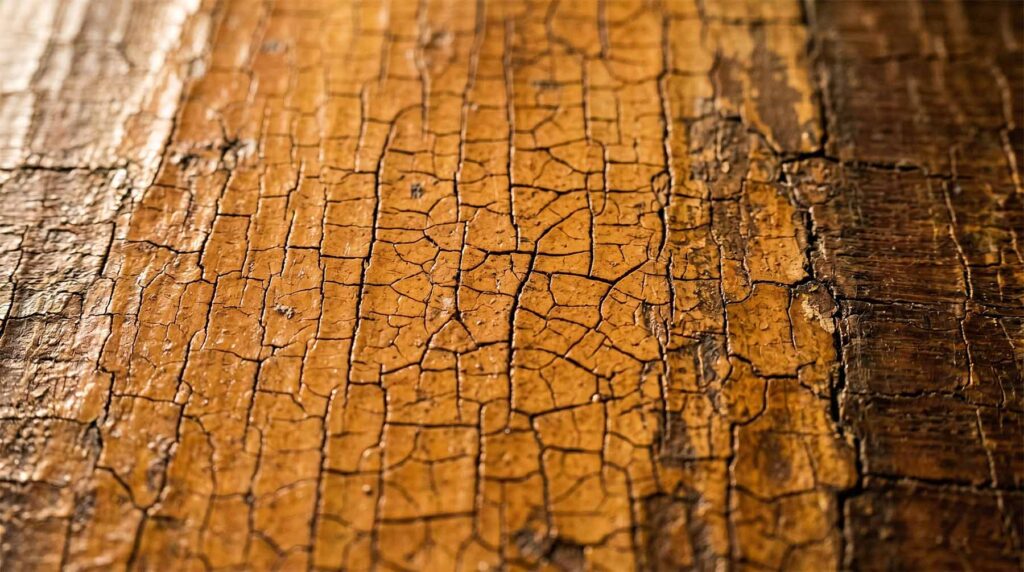
Close-up macro photograph of centuries-old craquelure on a wood panel painting

What Happens When Your Painting Ground Cracks — And Why Your Ground Choice Matters

Painting ground cracks — and whether it damages the system above it — turns out to be one of the most important structural questions in the field.

Cracking in paintings has troubled artists and conservators for centuries. Most discussions focus on the paint film itself — why it cracks, when it cracks, and how to prevent it. But the ground beneath the paint is where the real structural story begins. A sister article on this site established how fragile individual oil paint films can be, with fracture toughness values as low as 10–18 J/m² for aged lead white and verdigris. That article explicitly set up a gap in the evidence: what about the ground?

This article answers two questions that matter at the easel. First: how tough is a painting ground, does painting ground cracking harm your painting, and what happens after it cracks? Second: does your choice of ground — acrylic, alkyd, or oil-based — affect the long-term structural stability of the oil paint applied over it?

The answers come from six recent and foundational research papers spanning fracture mechanics, materials science, and conservation chemistry. Together, they build a clearer picture of what is happening in the layers beneath your paint — and what choices you can make today to reduce risk over decades.

A note for artists who have purchased pre-primed commercial canvas: One of the most common practices in contemporary painting is applying oil paint directly over an acrylic-primed canvas. The research reviewed here raises specific concerns about this combination — particularly when zinc white is present in the oil paint — that do not apply to most other ground types. Those concerns are addressed directly in the section “The Oil-Over-Acrylic Problem” below.

Quick Reference: Choosing Your Ground

If you are deciding on a ground now, this decision tree summarizes the research-based guidance. The full evidence is in the sections that follow.

Want to read the full article and unlock all resources? Choose an option below:

Already a member? Log in to continue Start 14-Day Trial ($1)
Cancel anytime · 30-day money-back guarantee
Related Articles

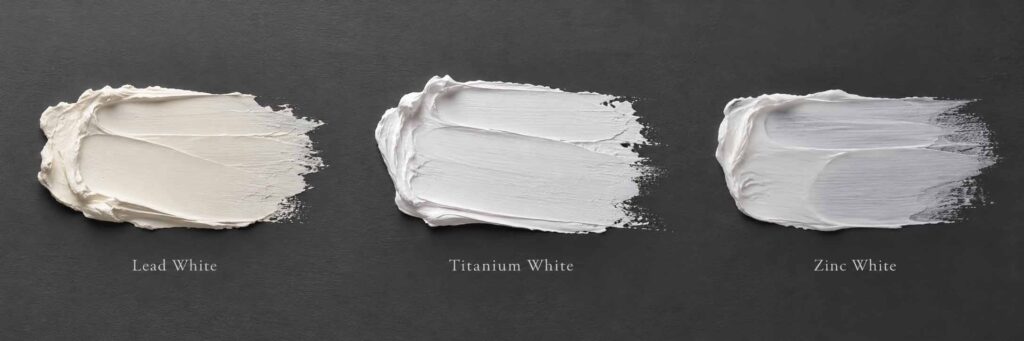
Lead White vs. Titanium White vs. Zinc White: How They Affect Oil Paint Durability

The white you choose affects more than the colors on your palette—it can influence how your painting ages for decades. Lead white, titanium white, and zinc white offer distinct advantages in opacity, tinting strength, and handling, but their long-term behavior differs. Discover what scientific research reveals about these pigments and how to make informed choices for your painting techniques and lasting durability.

Responses

Subscribe to Our Newsletter

To begin reading the content, join thousands of artists enjoying our articles. Subscribe to receive updates on artists materials and practices.

Or Join as Member for More Benefits