
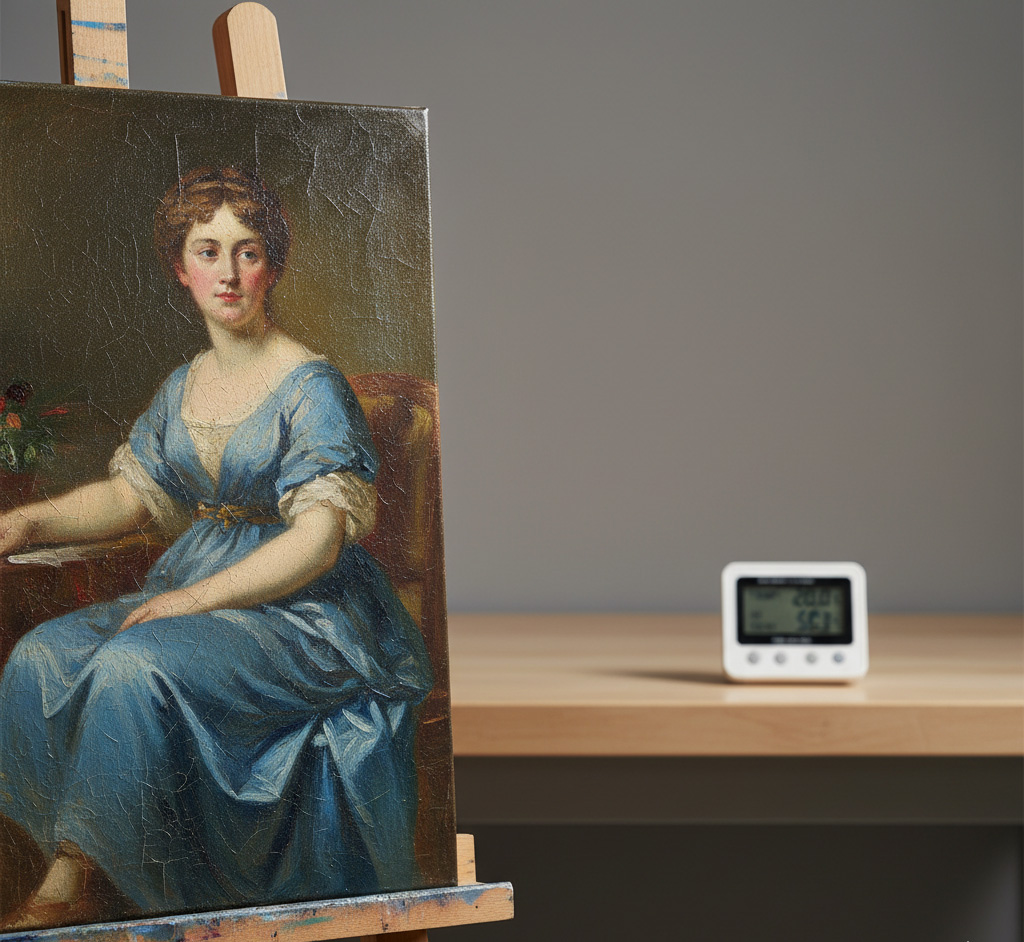
Oil Paint Cracking: Moisture, Canvas, and Best Practices

Want to read the full article and unlock all resources? Choose an option below:
Already a member? Log in to continue Start 14-Day Trial ($1)Cancel anytime · 30-day money-back guarantee
Want to read the full article and unlock all resources? Choose an option below:
Already a member? Log in to continue Start 14-Day Trial ($1)

Learn how canvas sizing affects canvas tension, cracking, and humidity response, and when to choose PVA or acrylic sizes for oil painting longevity.

The traditional water gilding gesso recipe with measured PVC, glue ratios, and layer counts for hard and soft coats. What the science actually says.
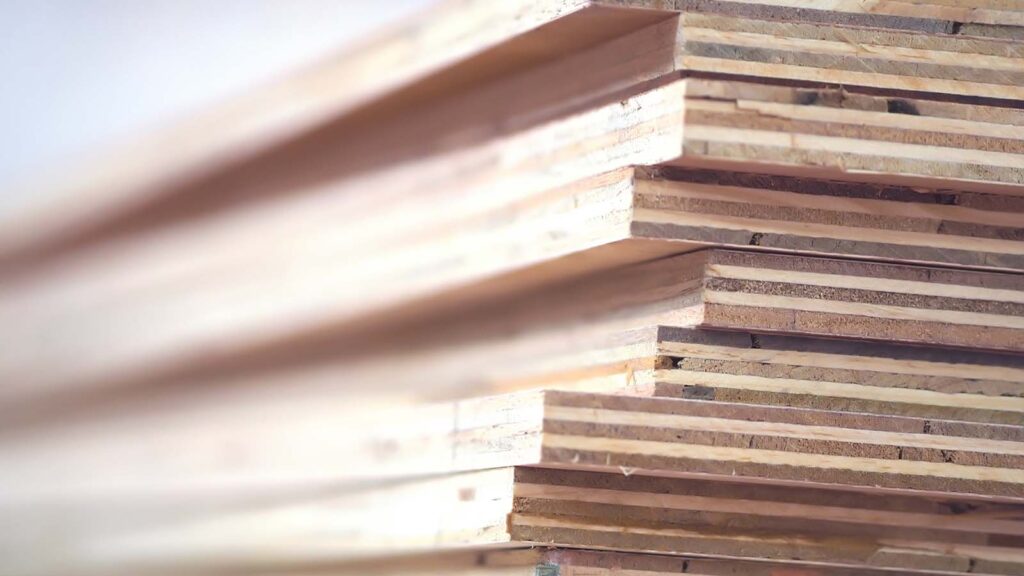
Painting on wood panels? Learn how plywood, MDO, and HDO boards serve as durable supports. This guide covers stability, surface prep, pros & cons, and best practices for oil, acrylic, and tempera.
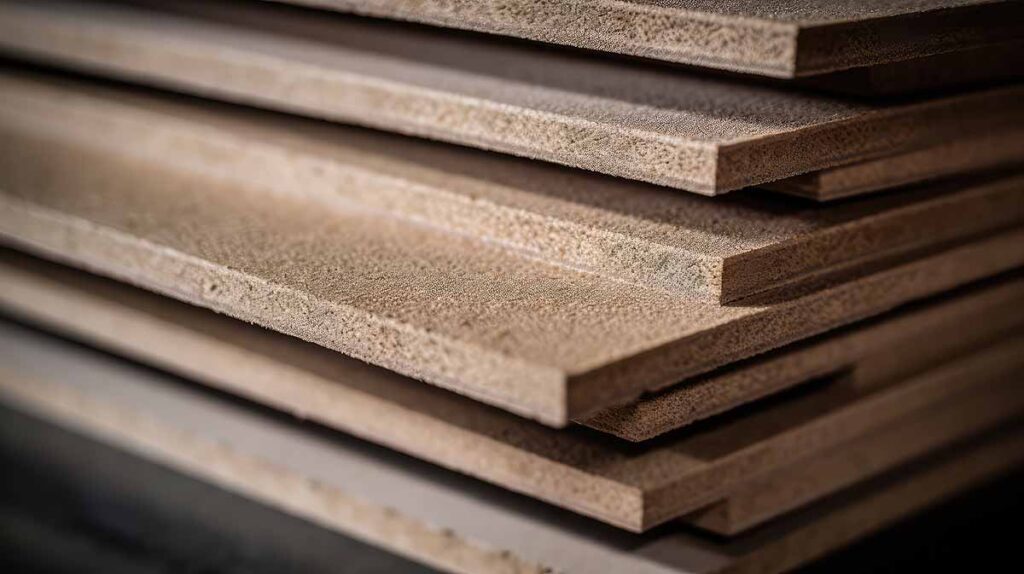
Learn how painting on MDF affects painting longevity, with guidance on sealing panels, managing moisture and emissions, and choosing safer supports.

What happens when your painting ground cracks? New research on gesso fracture toughness, acrylic primers, and zinc white reveals what your ground choice means for longevity.
Please confirm you want to block this member.
You will no longer be able to:
Please note: This action will also remove this member from your connections and send a report to the site admin. Please allow a few minutes for this process to complete.
Very helpful. Thank you.