Artists routinely use oilpainting solvents to thin paint for an underpainting or imprimatura, adjust handling in later layers, and dissolve resins for artist‑applied varnishes. Research over the past two decades shows that solvents do more than change viscosity: they can swell the dried oil network, leach low-molecular-weight binder components, and even accelerate chemical change (e.g., fatty‑acid migration and metal soap formation). This article distills those findings into practical guidance so you can choose and use oil painting solvents with long‑term stability in mind.
How Oil Painting Solvents Swell Oil Paint
When solvent penetrates a dried or drying oil film, the cross‑linked polymer network takes up molecules and swells, temporarily softening the paint. Excess swelling can loosen pigment packing and reduce cohesion, especially in weak or young films.
Magnitude and rate. Different solvents produce markedly different responses. In model films, maximum swelling increased in the sequence iso-octane < mineral spirits (with ~17% aromatics) < turpentine < xylene < toluene. Small, fast‑evaporating solvents reach half their total effect within minutes; heavier or less compatible solvents act more slowly. Aged, well‑cured films swell less and more slowly than young films because of higher cross‑link density.
Everyday studio reality. Many common oil painting solvents (aliphatic alcohols like ethanol, simple ketones like acetone, short‑chain esters) cause low‑to‑moderate swelling—reassuring, but not risk‑free. By contrast, aliphatic hydrocarbons (white spirits/mineral spirits) generally produce low to low‑moderate swelling, with magnitude governed by aromatic content and contact time. Odorless mineral spirits (OMS)—highly aliphatic, aromatics removed—sit at the lowest end of swelling; standard mineral spirits with ~10–20% aromatics swell more than pure aliphatics but still less than turpentine under comparable conditions. Even modest swelling can soften weakly bound paint enough to cause it to mark, lift, or intermix.
Best practices.
Use the least “hot” solvent* that accomplishes the task.
Keep contact times short; avoid pooling/flooding.
Allow swollen layers to re‑harden fully before overpainting or varnishing.
Solvent action on oil paint. (a) When a solvent is applied, several things happen at once: the varnish layer dissolves; solvent diffuses into the paint and makes it swell; small, soluble ingredients can be leached out; some solvent evaporates while some is briefly retained; and chemistry in the film can be accelerated. Layer thicknesses are schematic. (b–e) Possible states of the oil-binder network at the microscopic level: (b) an aged, densely cross-linked film containing metal carboxylates (“metal soaps”); (c) the same type of film showing cracks; (d) a film with fewer cross-links; (e) a highly oxidized film with many free carboxylic acid groups. (Adapted from Baij et al., A Review of Solvent Action on Oil Paint.)
Leaching: What Solvents Remove from Paint
Swelling opens pathways for leaching—extraction of soluble, low‑molecular‑weight (LMW) constituents (free fatty acids, mono/di‑glycerides, early oxidation products) that help plasticize and bind the paint. Polarity and diffusivity matter:
Want to read the full article and unlock all resources? Choose an option below:
How turpentine and mineral spirits affect oil paint—swelling, diffusion, leaching, evaporation, reactivity—and studio steps to limit sinking-in and slow drying.
Professional varnish removal for oil and acrylic: brand-specific methods, safe testing, gels, solvents, and isolation coats for conservation-minded results.
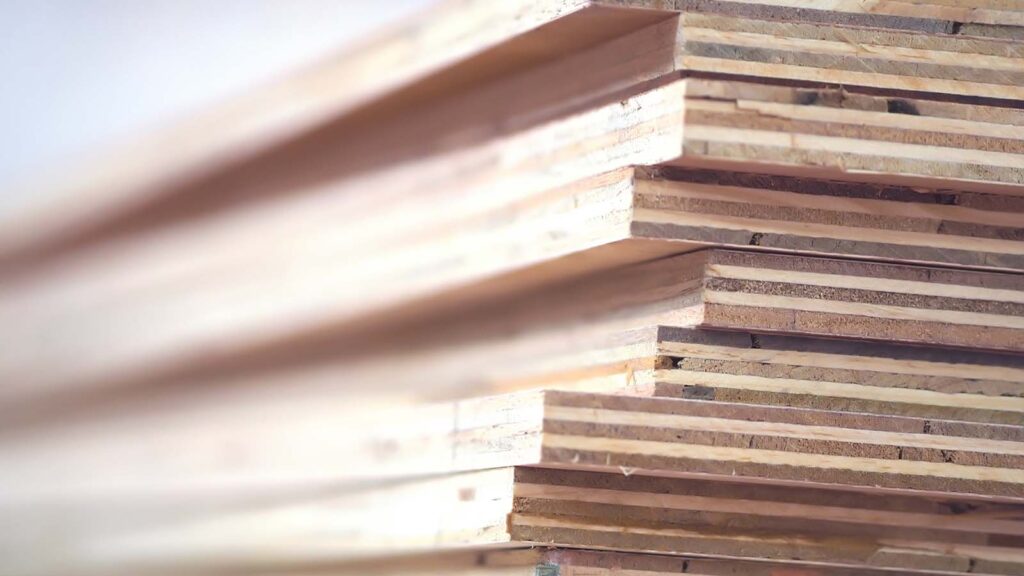
Painting on wood panels? Learn how plywood, MDO, and HDO boards serve as durable supports. This guide covers stability, surface prep, pros & cons, and best practices for oil, acrylic, and tempera.
Fat over lean explained with PVC/CPVC. Learn how tube paint, solvents, and mediums change film strength, flexibility, and cracking risk in layered oil and alkyd painting.
Hi
Good information.
What about Citrus Thinner(I use Xtra Mild Citrus Thinner by ECO-HOUSE for cleaning brushes)
For thinning I use turpentine or spike of lavender (I do not use OMS as they may destroy some synthetic brushes
I paint Alla prima(no layers)
Thanks
I cover cleaning brushes in a video on the Rublev Colours YouTube channel. You can avoid using any solvents for cleaning brushes by using oil, followed by soap and water. OMS is actually less aggressive than turoentine.
Thank you so much for your article on solvents! Delivery of such technical and relevant chemistry in such an exceptionally understandable article!
Very, very helpful!
Immerse into the stunning sandbox of EVE Online. Test your limits today. Create alongside hundreds of thousands of players worldwide. [url=https://www.eveonline.com/signup?invc=46758c20-63e3-4816-aa0e-f91cff26ade4]Join now[/url]
Report
There was a problem reporting this post.
Block Member?
Please confirm you want to block this member.
You will no longer be able to:
See blocked member's posts
Mention this member in posts
Invite this member to groups
Message this member
Add this member as a connection
Please note:
This action will also remove this member from your connections and send a report to the site admin.
Please allow a few minutes for this process to complete.
Report
You have already reported this .
Subscribe to Our Newsletter
To begin reading the content, join thousands of artists enjoying our articles. Subscribe to receive updates on artists materials and practices.






Hi
Good information.
What about Citrus Thinner(I use Xtra Mild Citrus Thinner by ECO-HOUSE for cleaning brushes)
For thinning I use turpentine or spike of lavender (I do not use OMS as they may destroy some synthetic brushes
I paint Alla prima(no layers)
Thanks
I cover cleaning brushes in a video on the Rublev Colours YouTube channel. You can avoid using any solvents for cleaning brushes by using oil, followed by soap and water. OMS is actually less aggressive than turoentine.
Thank you so much for your article on solvents! Delivery of such technical and relevant chemistry in such an exceptionally understandable article!
Very, very helpful!
Helpful information. Thanks for the work you do to support artists!
Immerse into the stunning sandbox of EVE Online. Test your limits today. Create alongside hundreds of thousands of players worldwide. [url=https://www.eveonline.com/signup?invc=46758c20-63e3-4816-aa0e-f91cff26ade4]Join now[/url]