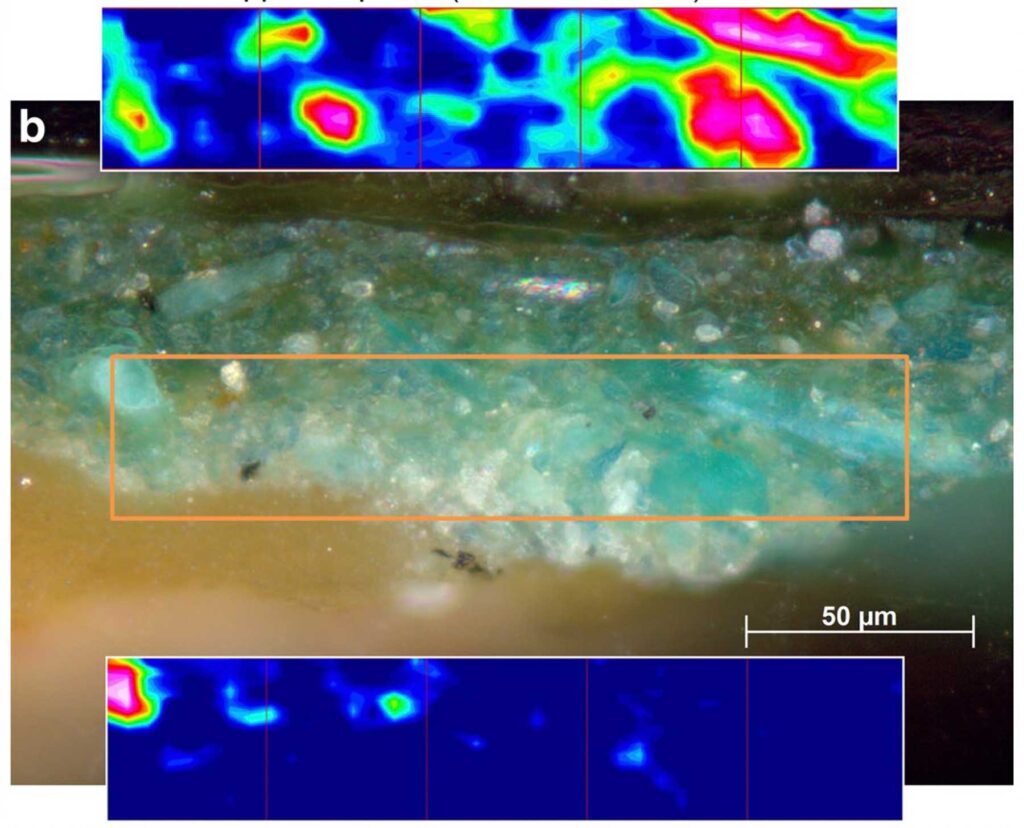
As a fundamental material for centuries, chalk in oil paint is valued for its role in modifying texture, opacity, and drying properties. As a form of calcite, chalk provides structural stability while influencing the paint’s handling characteristics. Unlike inert fillers such as barium sulfate or silica, chalk actively interacts with the oil binder, affecting drying times and long-term durability. However, while chalk offers numerous benefits, it can also contribute to degradation through the formation of calcium soaps. Recent research has highlighted the chemical changes associated with chalk-based paint layers, underscoring its complex impact on the longevity of oil paintings.
Artists have long used calcite-based materials such as chalk and marble to modify paint consistency, texture, and drying properties. However, recent research has highlighted its involvement in chemical changes that can affect a painting’s long-term stability.
What is Calcite and Its Different Forms
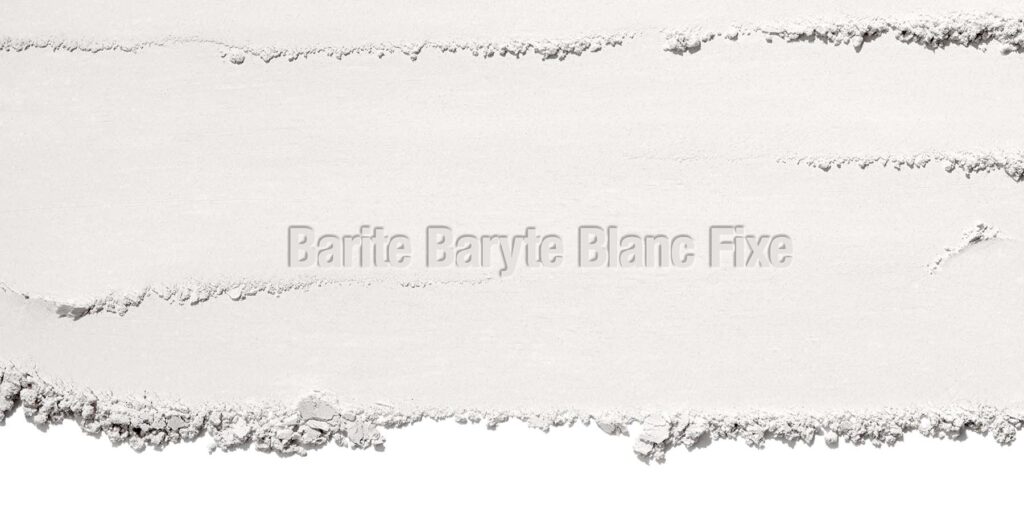
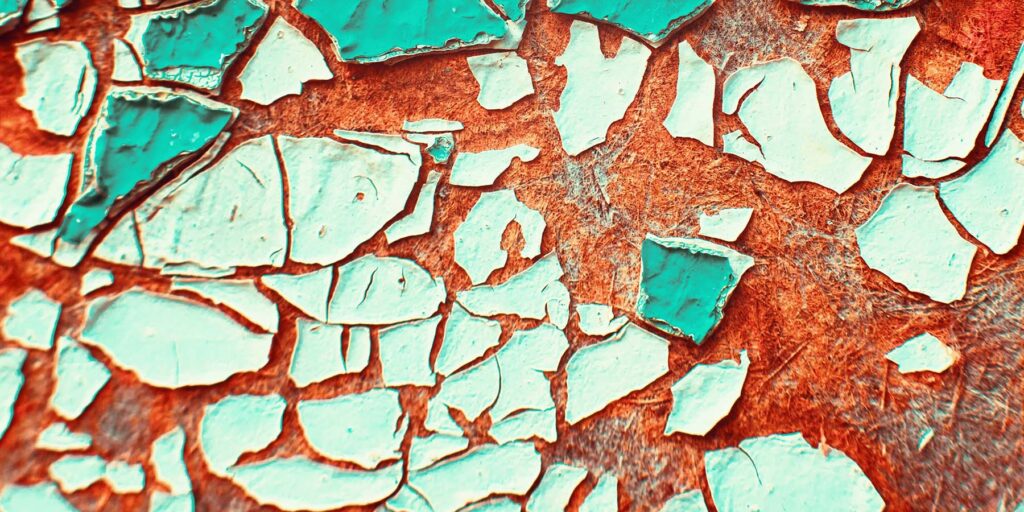
Calcite, a crystalline form of calcium carbonate (CaCO₃), is commonly used as a filler and oil paint extender, contributing to calcite stability and modifying paint properties (O’Hanlon, 2013). It modifies opacity and working properties without significantly altering color. Two primary forms—chalk and marble—differ in reactivity, affecting their suitability in oil painting. Chalk is a soft, porous sedimentary rock composed of microcrystalline calcite, which gives it a high surface area. This increased surface area allows it to interact more readily with oil binders, potentially accelerating calcium soap formation, which can lead to increased transparency or surface efflorescence.
In contrast, marble is a metamorphic rock composed of recrystallized calcite, forming larger, interlocking crystals. Its denser and less porous structure makes it less reactive compared to chalk, offering a more stable matrix that resists chemical changes over time. These characteristics contribute to its ability to maintain structural integrity in paint layers, influencing paint handling properties, drying rates, and the long-term durability of oil paintings.
Less commonly used forms of calcium carbonate, such as aragonite and vaterite, have distinct structural properties. Aragonite, while more stable than vaterite, is not as commonly used in oil painting because it is less readily available in a fine particulate form suitable for mixing with binders. Vaterite, on the other hand, is highly unstable and quickly converts to calcite or aragonite under ambient conditions, making it unsuitable for long-term paint formulations. Aragonite is denser and more stable than vaterite, which is highly soluble and rarely found in artistic applications. It is valued for its ability to modify the opacity and working properties of paint without significantly altering color.
Beneficial Properties of Chalk in Oil Painting
Calcite, or calcium carbonate, has been utilized in oil painting for centuries, primarily as an extender pigment. Its inclusion offers several advantages that can outweigh potential drawbacks when used judiciously:




Thank you for this article.
I switched to marble/linseed oil to avoid using solvents. I found myself quite sensitive even with gamsol.
I use your ultra fine marble dust and your age refined linseed oil (1 : 1 ratio) to build my initial layers. I have not seen any problems. I have been quite happy with it after switching last year. It seems marble is a better choice than chalk according to your article.
So I am assuming your recommendation under best practices: “Avoid excessive use of chalk in under layers where soap formation is more likely to occur” does not apply as much to marble dust?
For the upper layers what do you recommend to help with the flow of paints? Will a change in ratios of marble dust to oil suffice as a medium to help move the paint easily?
I need to paint solvent free for health reasons and I am not so concerned yet about longevity since my work is not yet museum quality!
Thank you so much for your products and all these valuable lessons.
The information in this study does not apply to the same degree with marble as it does with chalk. You can use marble and other extender pigments in the upper layers.
Thank you for this article. I might say now reading this I have some concern about using my ceruse mostly in lower layers
The article is not presented to alarm artists about using chalk in their paintings but rather to provide evidence of why there are some problems. Of the thousands of paintings with chalk in the lower layers, very few have problems. In addition, we use a form of calcite in Rublev Colours Ceruse Artist Oil that is not the same limestone studied.