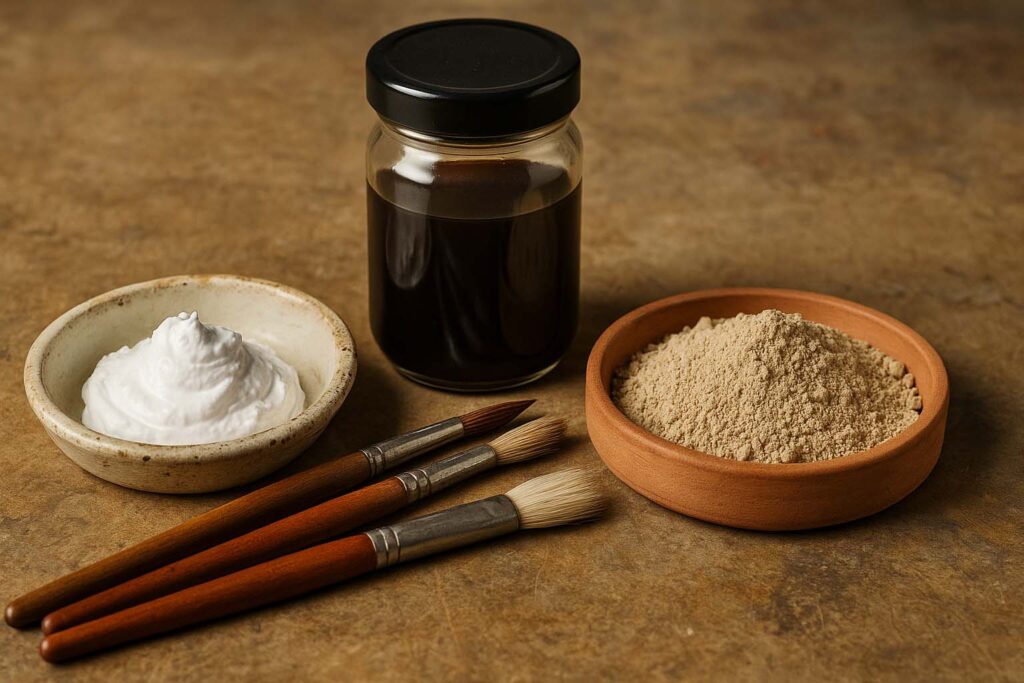
Glaze medium is one of the defining techniques of oil painting, particularly in Renaissance and early Flemish art. The luminous qualities of works by the Van Eycks and Leonardo da Vinci owe much to the precise use of glazes. Yet, for modern artists seeking to recreate these effects, understanding the materials and methods behind these techniques can be challenging. A study titled “New Insights on the Glaze Technique through Reconstruction of Old Glaze Medium Formulations” provides valuable knowledge for artists exploring historical glaze mediums. This article reviews the key findings of that research and offers practical guidance for incorporating early glazing methods into contemporary work.
The Historical Foundations of Glazing
Glazing emerged as a sophisticated technique during the early Renaissance. It allowed painters to create depth, color richness, and subtle transitions of light and shadow. The technique involves applying thin, translucent layers of paint over an opaque underlayer. Each layer modifies the color and texture of the layers beneath, creating a complex optical effect.
While oil-based paints were known before the Renaissance, the Flemish painters’ key innovation was the refinement of the oil medium itself. They enhanced drying times, improved flow properties, and increased surface gloss by adjusting the oil’s composition and adding heat-bodied oils, resins, and other agents. The sfumato technique employed by Leonardo da Vinci, which creates soft and imperceptible transitions between colors and tones, relies heavily on carefully prepared glazes.
Understanding how these early glazes were made requires a detailed examination of historical recipes and modern analytical testing — precisely what this study aimed to achieve. This understanding allows contemporary artists to replicate the visual effects and working properties of early oil paintings, improving both the authenticity and durability of their work.
Key Ingredients and Formulation Techniques of Glaze Mediums
1. Oil and Resin Mixtures
The study examined historical recipes that combine drying oils (such as linseed or walnut oil) with natural resins (like mastic) and solvents (such as turpentine).
Figure 1: Ternary diagram of oil, resin, and turpentine mixtures, showing the effects of varying proportions of each material on viscosity and flow.
Want to read the full article and unlock all resources? Choose an option below:
Painting on wood panels? Learn how plywood, MDO, and HDO boards serve as durable supports. This guide covers stability, surface prep, pros & cons, and best practices for oil, acrylic, and tempera.
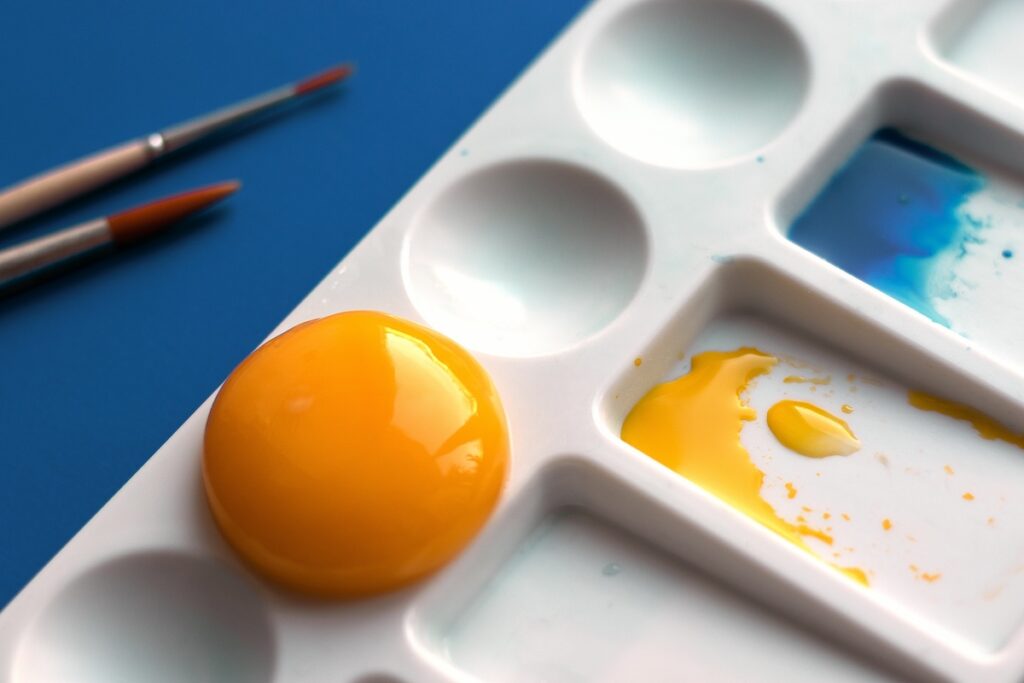
Discover how egg yolk transformed oil paints, enabling the Old Masters to create textured, enduring masterpieces. Learn its artistic and preservation benefits.
Please note:
This action will also remove this member from your connections and send a report to the site admin.
Please allow a few minutes for this process to complete.
Report
You have already reported this .
Subscribe to Our Newsletter
To begin reading the content, join thousands of artists enjoying our articles. Subscribe to receive updates on artists materials and practices.




Responses