Recent scientific research into a microsample from Leonardo da Vinci’s Mona Lisa has revealed a lead ground unlike any previously documented from the Italian Renaissance. The study, published in the Journal of the American Chemical Society (2023), uses advanced synchrotron X-ray diffraction and infrared spectroscopy to analyze the physical and chemical composition of this layer. The findings provide a deeper understanding of Leonardo’s painting techniques and offer new insights for contemporary artists interested in historical methods.
Among the study’s most significant findings is the identification of a highly saponified oil medium combined with a unique formulation of lead white. This ground is chemically and structurally distinct from those used by Leonardo’s contemporaries. The article also provides comparative evidence from samples of The Last Supper, confirming that Leonardo had adopted experimental uses of lead-based materials, notably lead oxide (PbO), as early as the period of The Last Supper (1495–1498).
The Composition of the Lead Ground in the Mona Lisa
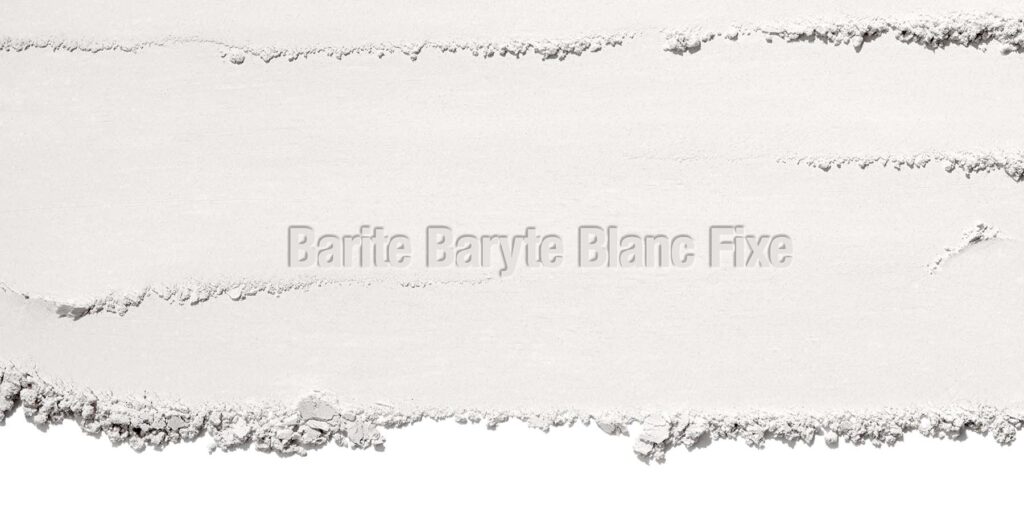
The lead ground consists of lead white pigment in an oil medium that underwent substantial saponification. The lead white used is a mixture of hydrocerussite (Pb3(CO3)2(OH)2) and cerussite (PbCO3), with the former comprising the majority. Most notably, the researchers detected plumbonacrite (Pb5(CO3)3O(OH)2), a rare compound that forms only under strongly alkaline conditions.
The mineral ratios in the lead ground were measured as approximately 76% hydrocerussite, 11% cerussite, and 13% plumbonacrite. These proportions differ significantly from those of typical Renaissance-era lead whites, which typically contain about 30% cerussite. The scarcity of cerussite and the presence of plumbonacrite suggest intentional manipulation of the medium’s chemistry.
Why Alkalinity Matters in a Lead Ground
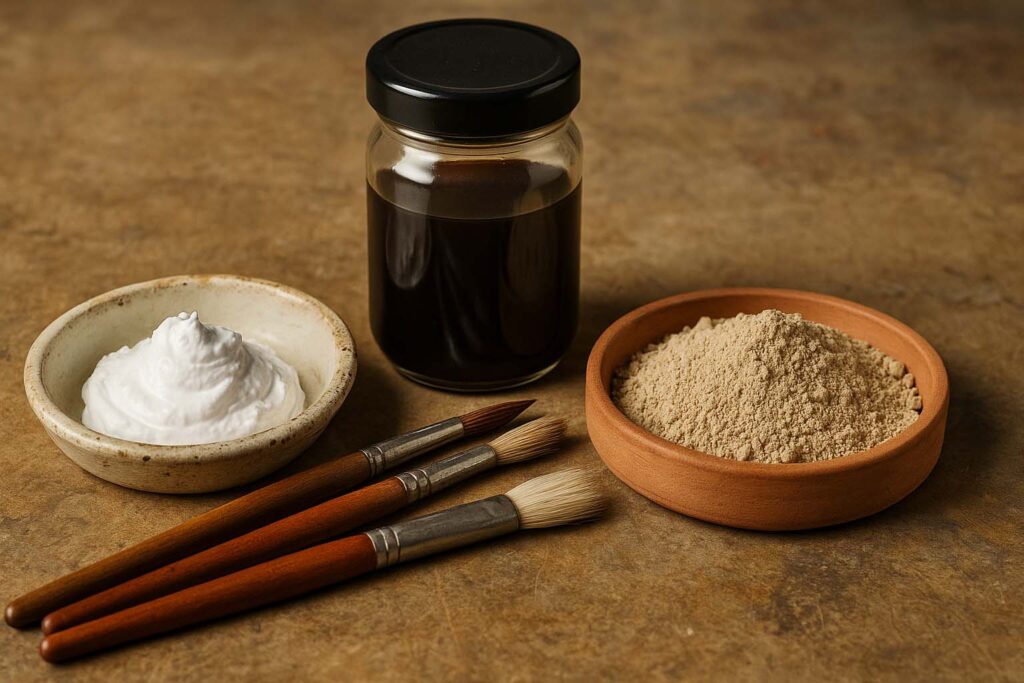
Plumbonacrite is only stable in alkaline environments. Its formation indicates that Leonardo likely treated the oil medium with a basic lead compound—most probably lead oxide (PbO). When PbO is heated with drying oils, such as walnut or linseed oil, it promotes saponification and forms lead soaps. These soaps improve drying time and alter the working properties of the paint, including its viscosity and texture.
Leonardo may have used this thickened, fast-drying oil to create a single-layer ground directly on the wood panel without a gesso preparation. This technique allowed for greater control over the working surface and aligns with evidence from other paintings, such as La Belle Ferronnière and The Last Supper, where variations in ground composition correspond with panel size and preparation.




Not surprised Leonard experimented and SO happy we can benefit. And, aren’t we lucky to live in an age where we can just open a tube and squeeze.
George, I have both litharge and massicot ‘pigment’/powders. I also have black oil bought from Studio Products years ago. I have rarely used the black oil because it is so dark that it will obviously alter many colors mixed with it. Would you recommend using it as a medium, added to paint as a mention to loosen it, but also to speed up curing time plus adding durability to the paint film?
Great question. Did you ever get a response?
Can one use the Rublev Lead white out of the tube as the lead ground for a painting, or does it have to be mixed with the dark oil? What am I missing, here?