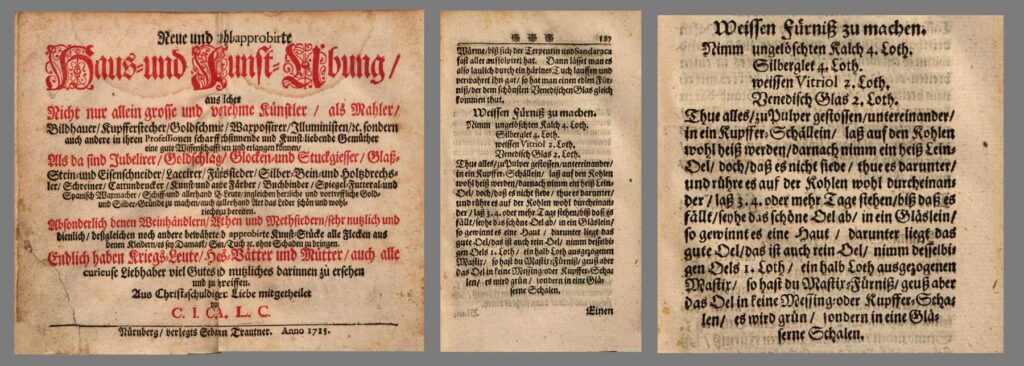
The world of oil painting is steeped in a rich history, not just of artistic styles, but also of the materials and techniques that have evolved over centuries. Central to these techniques is the use of oil painting siccatives —substances added to oil paints to accelerate drying. This article reviews the findings from a comprehensive three-part paper by Stefan Zumbühl and Christophe Zindel, titled Historical Siccatives for Oil Paint and Varnishes, which delves into the use of traditional siccatives such as lead oxide, alum, and Venetian glass. By exploring the historical significance and modern applications of these materials, this article aims to provide artists with a deeper understanding of how to integrate these time-honored practices into contemporary oil painting techniques.
The Role of Lead Oxide Siccatives in Historical Oil Painting
Lead oxides, particularly litharge (PbO) and massicot, have long been celebrated for their efficacy as siccatives in oil paints and varnishes. Historical texts, as outlined in Part I of the research paper by Zumbühl and Zindel, reveal that artists of the Renaissance and Baroque periods relied heavily on these compounds. Lead oxides not only facilitated faster drying times but also contributed to the overall durability and texture of the paint films.
From the 16th century onwards, the use of litharge became more widespread, as it was favored for its superior drying properties compared to other lead compounds. This preference was rooted in the high solubility of litharge in oil, which allowed it to form lead soaps that accelerated the polymerization of the oil binder, resulting in a solid and durable paint film.
For modern artists, understanding the historical use of lead oxides is crucial, especially given the ongoing discussions about the safety and environmental impact of lead-based materials. While alternatives exist, those looking to replicate the techniques of old masters might consider using lead-based siccatives under controlled conditions, ensuring proper ventilation and protective measures.
Alum and Vitriol: Ancient Ingredients for Modern Applications
Part II of the paper delves into the use of alum and vitriol (zinc sulphate) as siccatives. These materials were particularly valued for their ability to enhance the drying process of both paints and varnishes, especially in the cooler climates of Northern Europe, where slower drying times could hinder artistic progress.
Alum, in its various forms, was a significant component in the painter’s arsenal from the medieval period through the Renaissance. Its drying properties were influenced by the source and composition of the material, which varied considerably. Zinc vitriol, often contaminated with other metal sulphates, was another crucial siccative that found favor for its ability to create a stable, well-dried paint film, despite its slower action compared to lead-based driers.



Responses