For centuries, artists, restorers, and historians have debated the impact of the gilding base color on the visual appearance of gilded surfaces. Rooted in traditional practices and passed down through treatises, the belief that substrate color influences the gilded surface remains widespread. However, a comprehensive two-part study has provided clarity on this issue, unraveling the misconceptions and exploring the intricacies of gilding techniques and materials in the medieval era. By delving into these findings, artists and historians can better understand the nuanced interplay of materials, methods, and perception in gilding practices. This article expands on these insights, addressing their artistic, historical, and scientific implications.
Background of the Study
The studies investigated the correlation between substrate characteristics and the visual effects of gilded surfaces, blending historical exploration with modern analytical tools. The first phase focused on constructing and analyzing modern gilding models to observe the influence of texture, burnishing, and substrate characteristics. The second phase examined authentic medieval gilded surfaces, employing advanced techniques such as Scanning Electron Microscopy (SEM) and Energy Dispersive X-ray Analysis (EDX) to uncover material properties and techniques used in the past. Together, these phases provide a holistic perspective on the evolution and principles of gilding practices.
Understanding Key Gilding Terms
Gilding
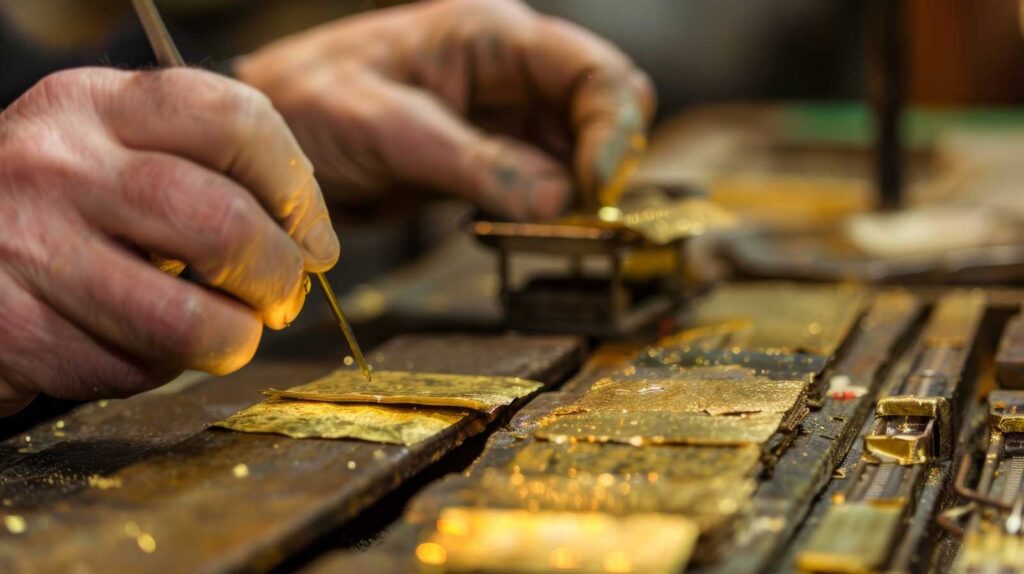
Gilding is a decorative art that involves applying thin metal leaves—often gold—to a substrate to enhance its aesthetic appeal. It has been central to artistic expression, especially in religious and ceremonial contexts.
Substrate
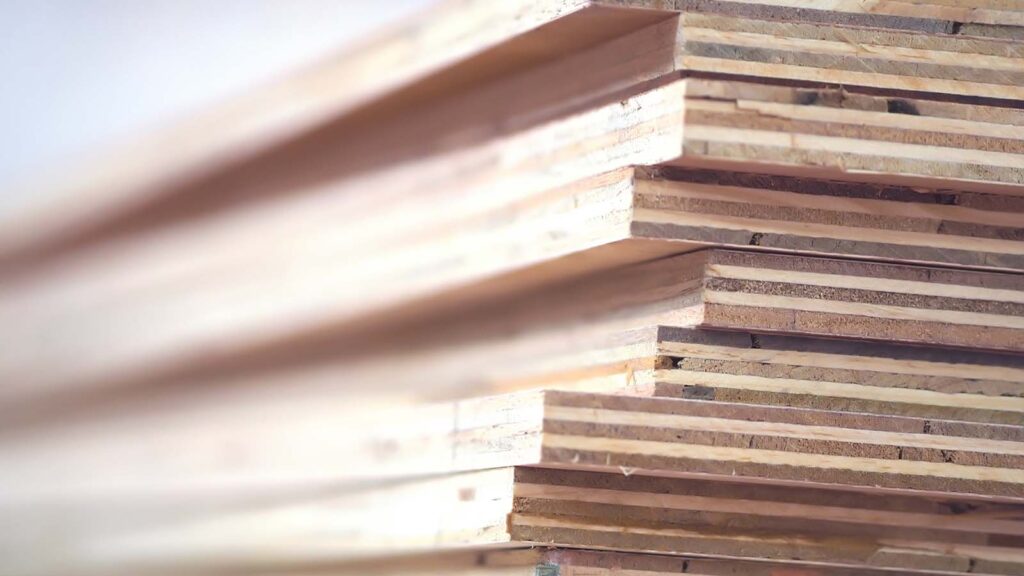
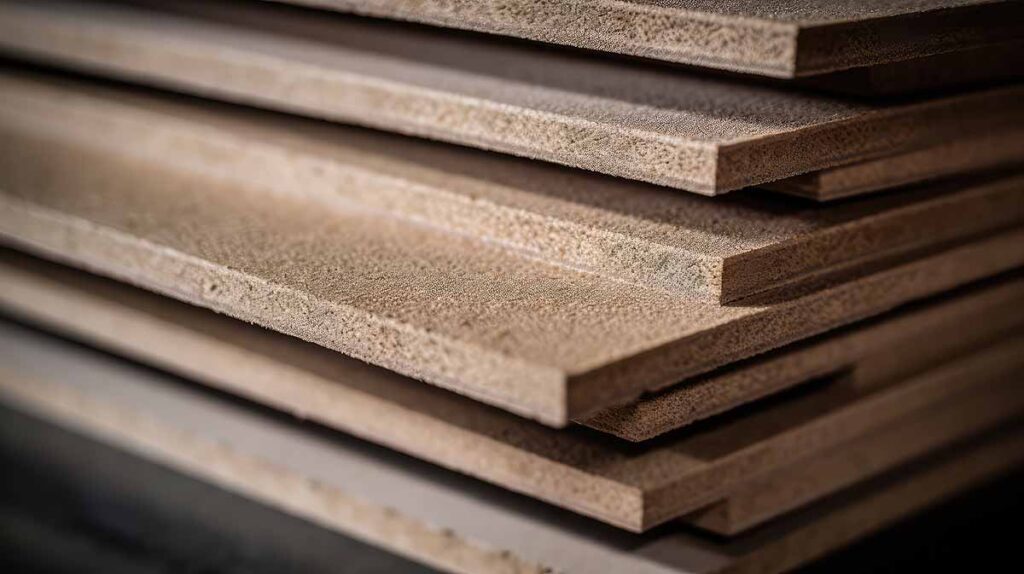
The material or surface to which gilding is applied. Common substrates in medieval gilding included wooden panels, plaster grounds, and boles.
Burnishing
Burnishing is a polishing technique that enhances the metallic sheen of gilded surfaces. It involves applying controlled pressure with a smooth tool, often made of agate.
Bole
Bole is a clay-rich layer, often tinted red or yellow, that provides a base for gilding. Historically, its color and composition were believed to influence the gilded surface’s appearance.




I am very interested in gaining your professional knowledge and assistance as a practicing artist. Great, informative reading, too.