Best practices for recording materials, methods, and handling information across painting media
Clear labeling and consistent documenting artwork are part of responsible studio practice—especially what you write on the back of paintings, where vital identifying information often lives for decades. A durable label helps keep an artwork connected to its identity and history, while a separate, fuller record preserves information that can guide safe handling, framing, and future conservation decisions. Museum documentation guidance is blunt about the stakes: if the bond between an object and its documentation is broken, the consequences can be severe (South West Museums Development 2022).
Back of Painting: What to Record on the Artwork and in Your Records
Think in two layers: (1) a small set of information that stays physically with the work, and (2) a fuller studio record (digital or paper). For conservators, the most helpful notes are the ones that identify the work unambiguously and disclose materials or interventions that affect treatment options (Daly Hartin and Baker 2025).
Minimum information to keep on the back of paintings (and other works)
Artist name (or studio name) and a durable contact point (website or email).
Title (or “Untitled”) and an inventory number (a unique ID you assign).
Year completed (and month/day if relevant to your practice).
Medium and support (for example, “Oil on linen canvas,” “Acrylic on cotton canvas,” “Watercolor on paper”).
Dimensions (H x W x D), and frame dimensions if framed.
Orientation indicator if it is not obvious (for example, “TOP”).
A front signature is optional and aesthetic. The conservation goal is not to add ink to the image, but to ensure the work can still be identified if frames, backings, or hardware change over time.
Recommended additional label information (if space allows)
Support details: canvas type (linen/cotton/synthetic), panel type (plywood, MDF, ACM, etc.), paper brand/weight, and whether it is cotton rag or wood pulp.
Ground or primer type (for example, acrylic dispersion ground, oil ground, traditional glue-chalk gesso).
Paint medium such as oil, acrylic, egg tempera, etc. If commercial paint is used, name the brands.
Coatings: varnish or surface coating type, brand (if known), and application date; note if unvarnished by intent.
Unusual or treatment-relevant materials: wax additions, resin-in-oil mediums, spray fixatives, metallic leaf, collage adhesives, etc.
Installation notes that matter for safety: cleats, special hanging system, glazing instructions, or a note that the work should not be rolled.
Medium-specific notes that help future treatment
Oil and alkyd paintings
Record any varnish (type, brand, date) and whether an isolation layer was used.
Note major additives or mediums (alkyd, resin-in-oil, wax/cold-wax additions, stand oil, etc.).
If the work is intentionally unvarnished or matte, record that intention.
Acrylic paintings
Record any removable varnish and whether an isolation layer was used. Coating information is especially helpful because acrylic surfaces can be sensitive to cleaning methods (Daly Hartin and Baker 2025).
Note any spray products (varnish, fixative) and brand names when possible.
Watercolor, gouache, tempera, and other water-sensitive media on paper
Record paper type/weight and fiber (cotton rag vs wood pulp), plus whether the paper is internally/externally sized, if you know it.
Note any spray fixative, surface coating, or unusual surface preparation.
Record framing basics that affect care: glazing material (glass/acrylic), and whether spacers keep the art from touching the glazing.
Egg tempera, casein, and other protein-bound paints
Record binder system (egg yolk, egg-oil emulsion, casein, etc.) and any additives (oil addition, lime/borax, wax).
Record any surface coating (many works are uncoated). If coated, record type and date.
Encaustic and wax-containing media
Record the wax type (beeswax, carnauba, microcrystalline, etc.) and any resin additions; note whether the surface was heat-fused.
Note special vulnerabilities: sensitivity to heat, pressure, and abrasion.
Mixed media
List each distinct material family (oil, acrylic, PVA glue, shellac, spray paint, marker, collage adhesives, etc.).
If the work includes fragile elements (pastel, charcoal, unfixed drawing media), record whether it was fixed and with what.
Back of Painting Label Placement: Where and How to Place Labels
For conservation, the goal is to keep identification with the object without creating new risks (adhesive stains, show-through, indentations, or chemical interactions). When possible, write on stable, non-flexing components (stretcher bars, panel backs, backing boards) rather than on canvas fabric.
Back of Painting on Canvas (Oil or Acrylic)
Prefer writing on the wooden stretcher or a backing board rather than directly on the canvas.
Adding a backing board provides protection and a safe surface for labels (Daly Hartin 2017).
Avoid pressure that can emboss or telegraph through to the front.
Back of Painting on Rigid Supports (Panel, Board, Metal)
Mark the reverse of the support or a backing board; avoid marks on the image layer.
If the back is sealed, labels adhere more reliably and are less likely to migrate.
Back of Painting for Works on Paper (Watercolor and More)
Use a soft graphite pencil (HB to 2B) on the reverse margin, away from the image area.
If the work is mounted, also label the backing, but keep an identifier on the sheet in case it is separated.
Back of Painting for Framed Works
Put a clear label on the back of the frame or backing board.
If the frame might be changed, keep the same minimum information on the object (or its mounting) so it does not become dissociated from its documentation.
Back of Painting Label Materials: What to Write With and What Materials Are Archival-Safe
Writing tools
Works on paper: graphite pencil is preferred.
Wood (stretcher bars) and backing boards: pigment-based archival pens can be appropriate; test for smearing.
Avoid felt-tip markers known to bleed or fade; avoid inks that remain water-soluble.
Labels, tapes, and attachment
Use acid-free label stock and stable adhesives.
Avoid attaching paper labels directly to canvas fabric, which can cause distortion or show-through.
When in doubt, use a tag system tied to the hanging wire (a reversible approach) and duplicate the information in your studio record.
Studio Documentation Beyond the Back of Painting
A good label is not a substitute for a complete record. Professional guidance for artists emphasizes creating an inventory system once and using it consistently (Allan 2021). Legacy and documentation workbooks also stress that inventories should be systematic and backed up so that the records survive changes in software or storage (Joan Mitchell Foundation 2013).
Want to read the full article and unlock all resources? Choose an option below:
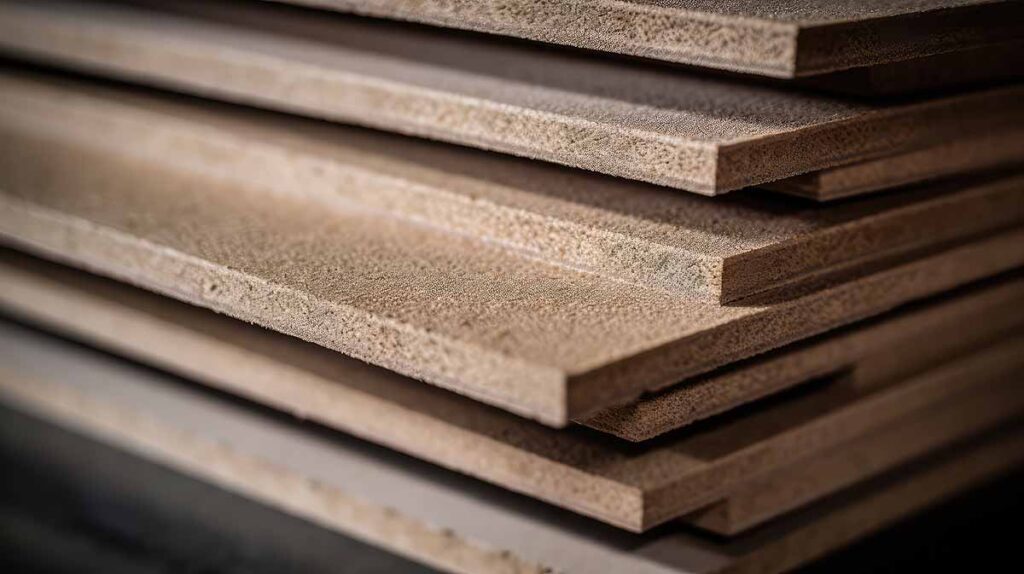
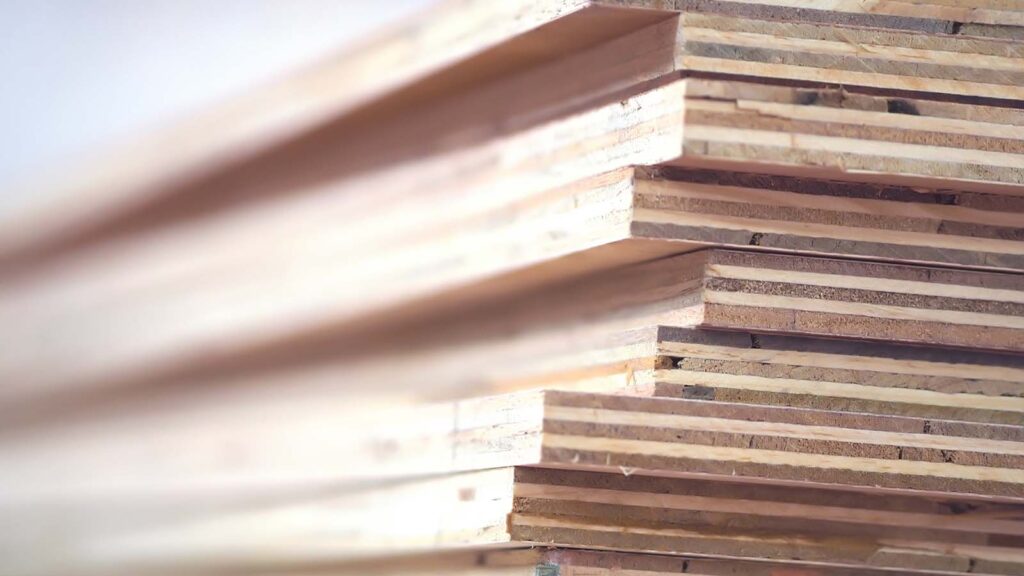
Painting on wood panels? Learn how plywood, MDO, and HDO boards serve as durable supports. This guide covers stability, surface prep, pros & cons, and best practices for oil, acrylic, and tempera.
Please note:
This action will also remove this member from your connections and send a report to the site admin.
Please allow a few minutes for this process to complete.
Report
You have already reported this .
Subscribe to Our Newsletter
To begin reading the content, join thousands of artists enjoying our articles. Subscribe to receive updates on artists materials and practices.






Responses