For centuries, painters have studied Vermeer’s surfaces. They are calm, slow, almost photographic. The brushwork is so soft that it scarcely registers as brushwork at all. That serenity has misled generations of artists into a single assumption: that Vermeer’s whole painting must have been built that way, layer after careful layer, with the same disciplined touch all the way down to the ground.
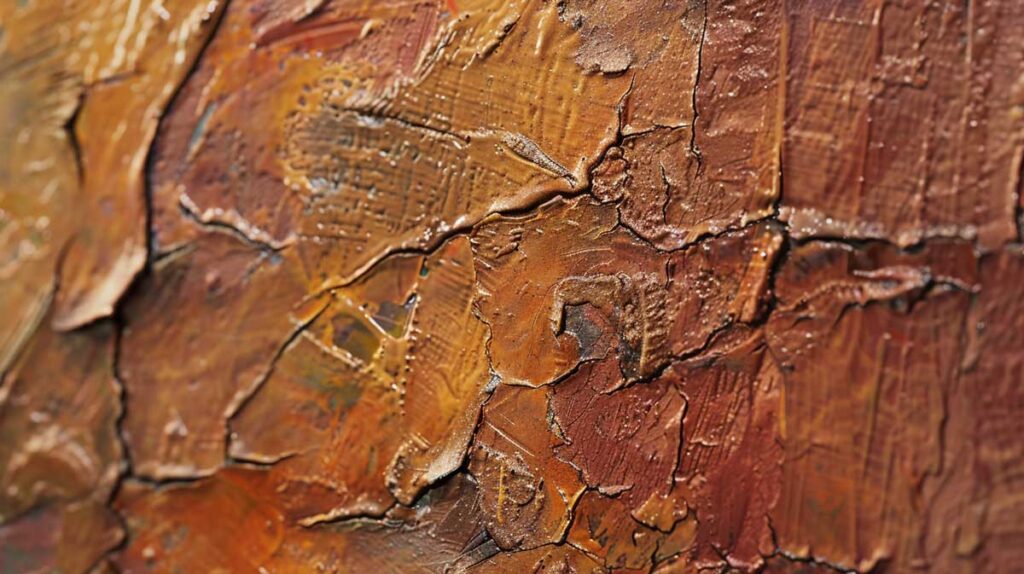
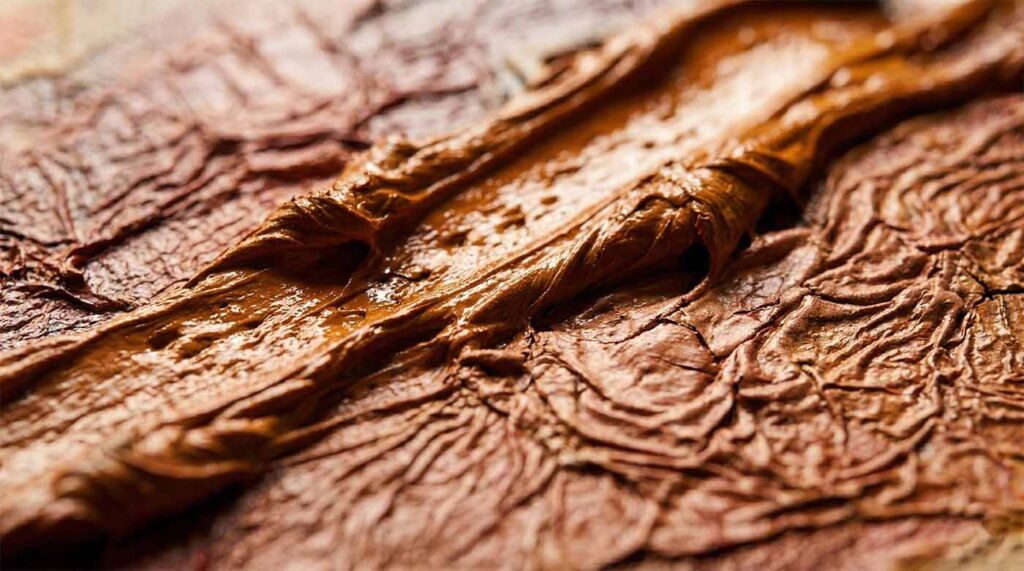
New imaging research at the National Gallery of Art tells a different story (Gifford et al., 2022, paragraphs 1–8). Beneath the famously hushed surfaces of A Lady Writing and Woman Holding a Balance, Vermeer underpainting was fast, rough, and decisive. He used coarsely ground pigments. He pushed broad brushstrokes through wet paint until the brush hairs fanned out. He added more drier to his Vermeer underpainting than to his final paint. He left the underlayers textured on purpose because that texture did mechanical and optical work that a smooth surface could not.
For the working artist, this is one of the most useful pieces of technical art history to surface in years. It clarifies a question many of us never thought to ask: should the paint underneath look anything like the paint on top? Vermeer’s answer, plainly, is no. The Vermeer underpainting is engineered differently from the finished work, and that engineering matters.
Figure 1. Johannes Vermeer, A Lady Writing, ca. 1665, oil on canvas, 45 x 39.9 cm. National Gallery of Art, Washington, DC, Gift of Harry Waldron Havemeyer and Horace Havemeyer, Jr., in memory of their father, Horace Havemeyer, inv. 1962.10.1. (artwork in the public domain)
The Core Vermeer Underpainting Finding in One Sentence
Vermeer built his paintings as two materially distinct systems stacked on each other — a fast, coarse, drier-rich, brush-furrowed Vermeer underpainting that defines structure and light, then a slow, fine, drier-poor, fluidly leveled final paint that reads as the visible image (Gifford et al., 2022, paragraphs 47–51).
What the Researchers Actually Did to Document Vermeer Underpainting
The National Gallery team examined all four works by or attributed to Vermeer in its collection. This article focuses on the two genre paintings, A Lady Writing (ca. 1665) and Woman Holding a Balance (ca. 1664). The methods were noninvasive wherever possible, with a small number of microscopic samples taken from the painting’s edges and from existing losses (Gifford et al., 2022, paragraphs 19–22).
The toolkit combined point analysis and full-painting chemical imaging. At specific points: polarizing light microscopy on dispersed pigment samples, light microscopy on cross sections, and scanning electron microscopy with energy dispersive spectroscopy (SEM-EDS) for elemental analysis. Across whole paintings: X-ray fluorescence imaging spectroscopy (XRF element mapping), reflectance imaging spectroscopy (RIS), and multispectral infrared reflectography (MS-IRR), yielding false-color infrared reflectograms (Gifford et al., 2022, paragraphs 20–21).
Want to read the full article and unlock all resources? Choose an option below:
Explore how oil paint driers speed up drying times, the types available, and their long-term effects on paint durability. Learn to choose the best driers for your artwork.
Discover the impact of paint driers on oil and alkyd paints. Learn how to choose the right driers to enhance the quality and durability of your artwork.
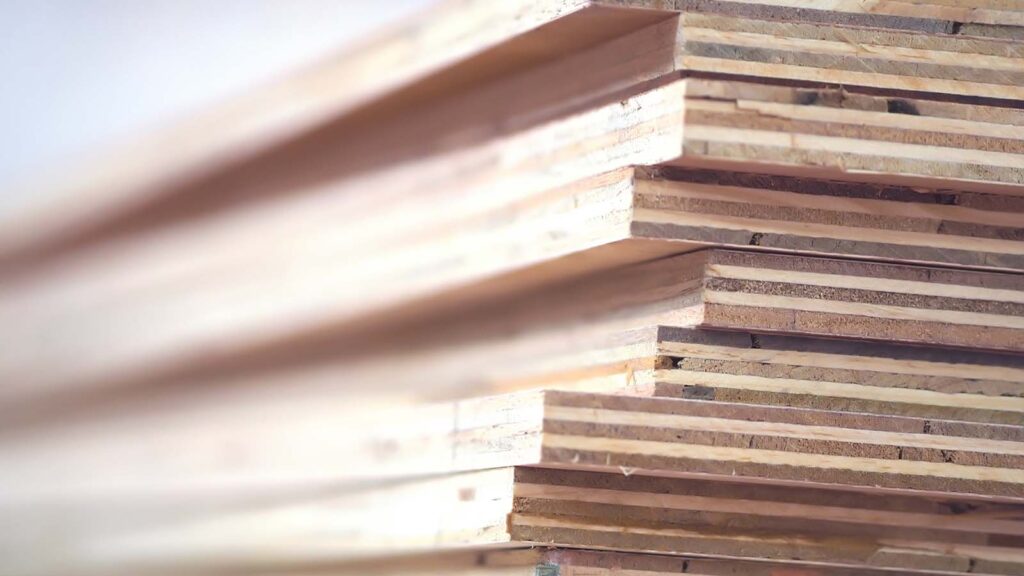
Painting on wood panels? Learn how plywood, MDO, and HDO boards serve as durable supports. This guide covers stability, surface prep, pros & cons, and best practices for oil, acrylic, and tempera.
Very interesting, as much as I understand of it! I wonder does your product “transparent base” work as well as ‘cobalt drier’? Also would it be problematic in any way to make that first ‘rough, textured and uneven lay in’ with it, or should one put a second coat on top of a base coat that is smoother like a toned layer with Transparent Base ?
Report
There was a problem reporting this post.
Block Member?
Please confirm you want to block this member.
You will no longer be able to:
See blocked member's posts
Mention this member in posts
Invite this member to groups
Message this member
Add this member as a connection
Please note:
This action will also remove this member from your connections and send a report to the site admin.
Please allow a few minutes for this process to complete.
Report
You have already reported this .
Subscribe to Our Newsletter
To begin reading the content, join thousands of artists enjoying our articles. Subscribe to receive updates on artists materials and practices.





Very interesting, as much as I understand of it! I wonder does your product “transparent base” work as well as ‘cobalt drier’? Also would it be problematic in any way to make that first ‘rough, textured and uneven lay in’ with it, or should one put a second coat on top of a base coat that is smoother like a toned layer with Transparent Base ?