Artists who work with acrylic emulsion paints often grapple with questions of durability, drying times, and material behavior over time. A 2003 study by Charles S. Tumosa and Marion F. Mecklenburg offers illuminating insights into the weight loss of acrylic paint drying, shedding light on what “dry” truly means and its implications for both technique and conservation. Here’s an authoritative review of the findings, focusing on the key takeaways for artists concerned about the longevity of their work and the best practices for using acrylic gesso as a primer.
Acrylic Paint Drying: Weight Loss and Longevity
What Causes Weight Loss?
Acrylic emulsion paints, first introduced in the 1950s, are complex mixtures of water, polymers, surfactants, thickeners, and other volatile components. The drying process, which artists observe as a tack-free surface, is only the beginning of a much longer process of weight loss. Initially, water evaporates rapidly, followed by the slower loss of less volatile components. This redistribution of chemicals within the paint film can significantly affect its porosity, density, and physical properties over time.
The Timeline of Weight Loss
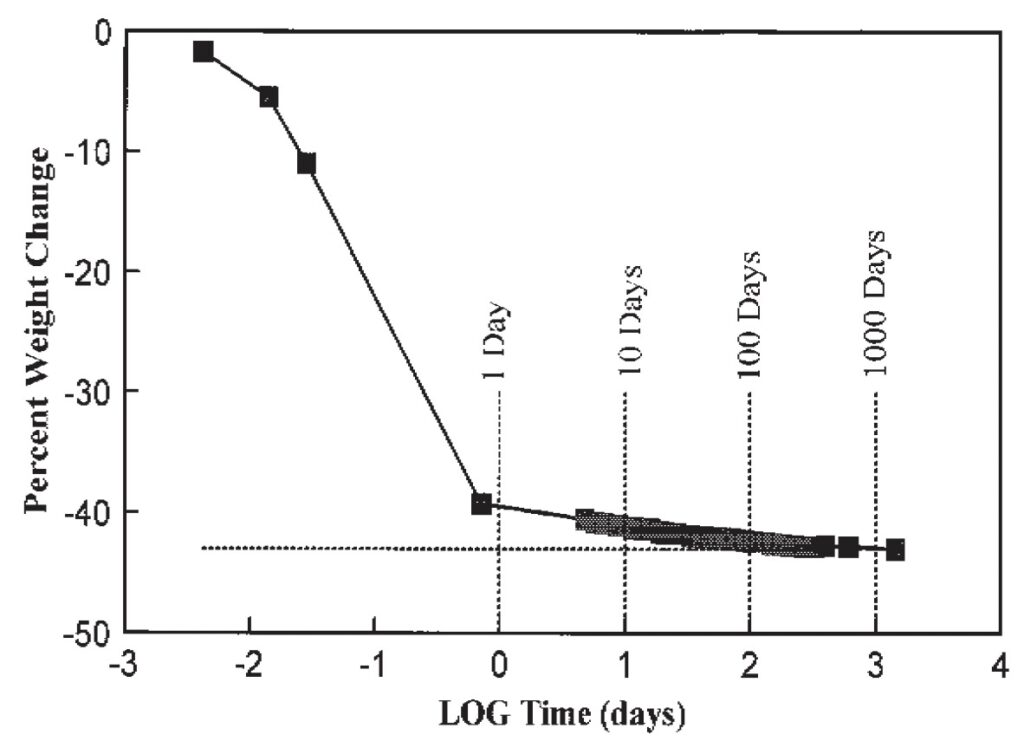
The study observed weight loss over a four-year period in various acrylic paints, including brands such as Golden, Winsor & Newton, Liquitex, and Utrecht. Results showed rapid initial weight loss within the first two days, tapering off after about 120 days. However, even after one year, measurable changes continued to occur, indicating that these films do not stabilize as quickly as some manufacturers might suggest. For example, Utrecht’s gesso showed ongoing changes well past the manufacturer’s claim that it would dry within three hours.
Implications of Acrylic Paint Drying Time for Artists
Dryness Does Not Equal Stability
The findings reveal a critical misunderstanding about acrylic paint drying. Manufacturers’ claims about drying times often refer to the development of a non-tacky surface, not the cessation of chemical or physical changes within the film. For example, water and other components in acrylic gesso could continue to interact with subsequent layers of paint, potentially affecting adhesion, drying rates, and even the mechanical properties of oil layers applied over acrylic grounds.
This graph compares the total weight loss of five different acrylic emulsion paints at 4 months, 1 year, and 4 years. The data reveals notable differences in volatile loss among brands, with measurable changes persisting throughout the four-year observation period.
Variability Among Brands
Not all acrylic paints behave the same way. The study found significant variability in the total volatiles lost among different brands and formulations. Winsor & Newton paints exhibited distinct patterns of weight loss compared to Liquitex Basics, for instance. Artists choosing acrylic materials should be aware of these differences, as they can affect long-term stability and the performance of mixed media.
This plot illustrates the weight loss of Utrecht professional acrylic emulsion gesso over time. While the gesso stabilizes faster than Winsor & Newton paint, significant weight changes continue to occur even after several hundred days.
Using Acrylic Gesso as an Oil Paint Primer
For oil painters using acrylic gesso as a primer, caution is advised. The study highlights how components such as surfactants and glycols in the gesso layer might interact with oil layers, potentially compromising adhesion and altering drying rates. While manufacturers often promote acrylic gesso as suitable for both acrylic and oil paints, this research underscores the need for more rigorous testing and transparency.
Want to read the full article and unlock all resources? Choose an option below:
Painting on wood panels? Learn how plywood, MDO, and HDO boards serve as durable supports. This guide covers stability, surface prep, pros & cons, and best practices for oil, acrylic, and tempera.
Learn how to paint oil over acrylic with expert tips on curing, preparation, and compatibility. Ensure durable, stunning artwork using proven techniques.
Compare acrylic gesso vs oil primer for flexible supports. Learn how each performs in cold weather and what artists must know to prevent cracking and failure.
I so enjoyed this article and the knowledge learned .. appreciate so very much… thank you
Report
There was a problem reporting this post.
Block Member?
Please confirm you want to block this member.
You will no longer be able to:
See blocked member's posts
Mention this member in posts
Invite this member to groups
Message this member
Add this member as a connection
Please note:
This action will also remove this member from your connections and send a report to the site admin.
Please allow a few minutes for this process to complete.
Report
You have already reported this .
Subscribe to Our Newsletter
To begin reading the content, join thousands of artists enjoying our articles. Subscribe to receive updates on artists materials and practices.







I so enjoyed this article and the knowledge learned .. appreciate so very much… thank you