Artists have long sought innovative ways to expand their technical repertoire while ensuring the durability of their work. One technique gaining prominence is painting oil over acrylic paint or acrylic gesso. Artists find that using acrylic paint as an underpainting for oil painting solves the issue of waiting for long drying times. This approach offers some benefits, but it also presents challenges. Research into the behavior and compatibility of these two mediums provides essential guidance for artists interested in this technique. This article reviews the most critical considerations, backed by authoritative studies, to help artists make informed decisions.
The Science of Acrylic Underpaintings
Understanding Acrylic’s Physical Properties
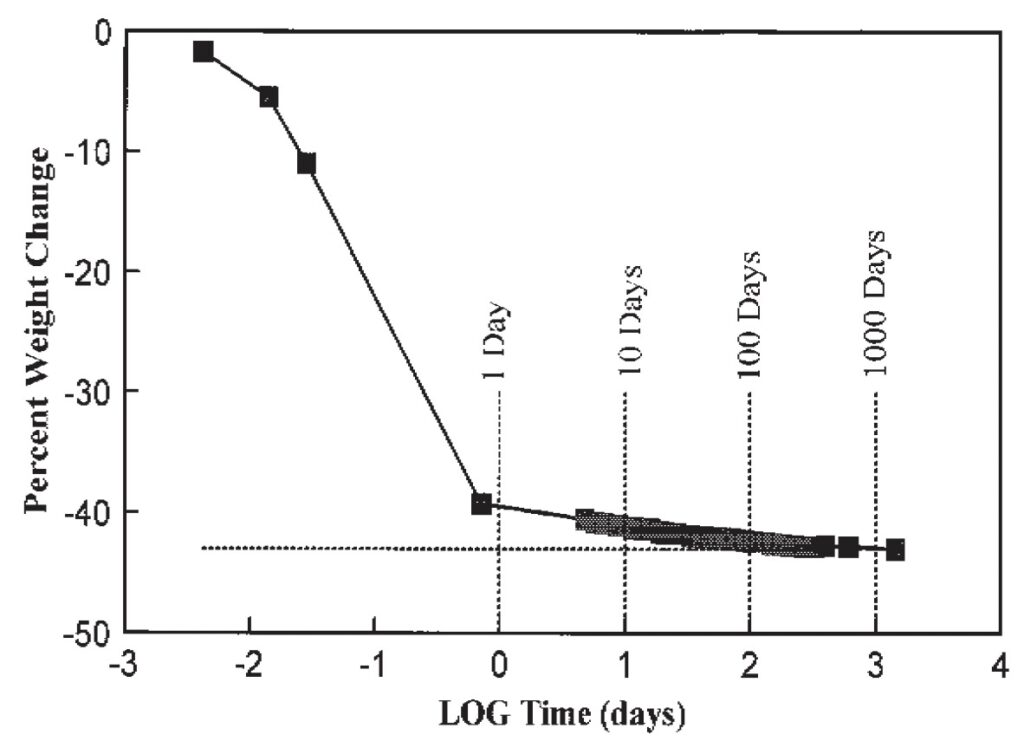
Acrylic paints, introduced in the 1950s, are waterborne emulsions that dry rapidly through the evaporation of water and coalescence of polymer particles. Acrylic films may feel “dry-to-the-touch” soon after application, but they continue to release volatile components and undergo physical changes for weeks or even months. Insufficient curing time before applying oil layers can lead to issues like delamination or cracking, highlighting the importance of allowing the acrylic layer to stabilize fully. Studies have shown that acrylic films can exhibit gradual weight loss and redistribution of chemical agents over extended periods. For instance, research published in the WAAC Newsletter highlights that acrylics require significant curing time to stabilize fully, particularly in thicker applications (WAAC Newsletter, 2003, p. 12).
This plot illustrates the weight loss of acrylic emulsion gesso over time. Significant weight changes in acrylic gesso continue to occur even after several hundred days. (WAAC Newsletter, 2003, p. 11)
Artists must allow ample time to cure acrylic gesso and acrylic underpaintings before applying oil layers. A drying period of two to four weeks for thin applications and longer for thicker layers is recommended. Premature application of oil paint can lead to issues such as delamination or cracking, as the acrylic layer continues to release volatiles and shrink subtly over time (WAAC Newsletter, 2003, p. 12).
The Role of Additives in Acrylic Paints
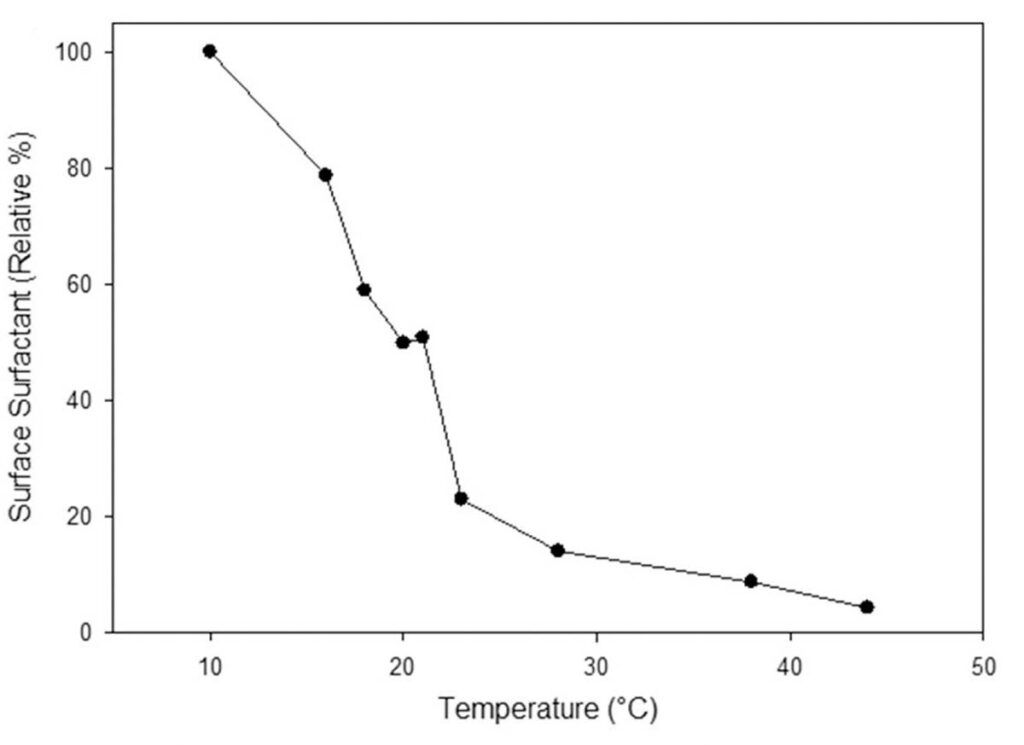
Acrylic paints contain various additives, including surfactants, plasticizers, and stabilizers, significantly influencing their compatibility with oil paints. Surfactants, for instance, migrate to the surface of acrylic films over time, creating a layer that may disrupt adhesion with oil paints. Plasticizers enhance the flexibility of the acrylic film, but excessive amounts can lead to softening and potential incompatibility with more rigid oil paint layers. Stabilizers, while protecting the acrylic binder from degradation, may contribute to uneven film formation, further complicating the bond with oil paints. Understanding these impacts is essential for artists to prepare surfaces effectively and ensure the longevity of their work. Surfactants, in particular, migrate to the surface of dried acrylic films and can cause compatibility issues with oil paints. Research published in Studies in Conservation demonstrates that environmental conditions, such as temperature and humidity, influence surfactant migration. High humidity can exacerbate surfactant accumulation, creating a tacky or greasy surface that disrupts adhesion (Ziraldo et al., 2016, p. 210).
This graph illustrates the profound effect of temperature on the amount of surfactant present on the surface of acrylic paint. At temperatures below approximately 25°C, a dramatic increase in the surface surfactant is observed. As the temperature increases, less surfactant appears on the paint surface (Ziraldo et al., 2016, p. 214).
To mitigate these risks, artists can prepare the acrylic surface by lightly sanding it if glossy and wiping it with distilled or deionized water before painting with oils. Sanding creates a slightly roughened texture, enhancing mechanical adhesion, while wiping with water removes surfactants and other ingredients that may migrate to the surface and disrupt the bond with oil layers. This step ensures a stable foundation for oil paints while addressing surfactant-related adhesion problems (Ziraldo et al., 2016, p. 215).
Compatibility of Painting Oil Over Acrylic
Challenges with Acrylic Mediums
Golden Artist Colors has identified specific challenges with using glossy acrylic surfaces as an underlayer for oil painting. Regardless of brand, glossy acrylic mediums are prone to cause cracking in oil paint layers when the acrylic surface is insufficiently prepared, subjected to fluctuating environmental conditions, or if surfactant migration has occurred. These issues arise because glossy acrylics form smoother, less porous films that hinder mechanical adhesion. These glossy surfaces have less surface area, reducing the mechanical adhesion of oil paint. Furthermore, additives like surfactants migrate to the surface during drying, exacerbating adhesion issues. (Just Paint, 2023).
Want to read the full article and unlock all resources? Choose an option below:
Explore the process of paint film formation. This article demystifies the science behind the drying and film formation of artists’ acrylic and oil paints, offering insights into materials, techniques, and best practices for creating enduring artworks.
What happens when your painting ground cracks? New research on gesso fracture toughness, acrylic primers, and zinc white reveals what your ground choice means for longevity.
Painting on wood panels? Learn how plywood, MDO, and HDO boards serve as durable supports. This guide covers stability, surface prep, pros & cons, and best practices for oil, acrylic, and tempera.
Please note:
This action will also remove this member from your connections and send a report to the site admin.
Please allow a few minutes for this process to complete.
Report
You have already reported this .
Subscribe to Our Newsletter
To begin reading the content, join thousands of artists enjoying our articles. Subscribe to receive updates on artists materials and practices.




Responses