
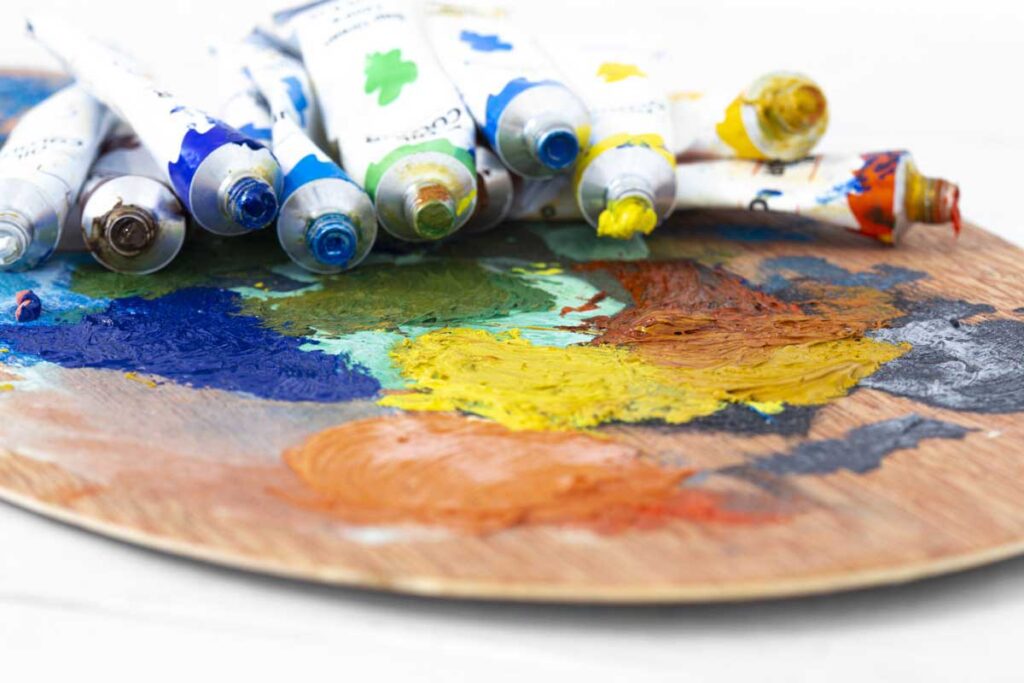
Understanding Water Sensitivity in Modern Oil Paints

Want to read the full article and unlock all resources? Choose an option below:
Already a member? Log in to continue Try 7 days free — $0Cancel anytime · 30-day money-back guarantee
Want to read the full article and unlock all resources? Choose an option below:
Already a member? Log in to continue Try 7 days free — $0
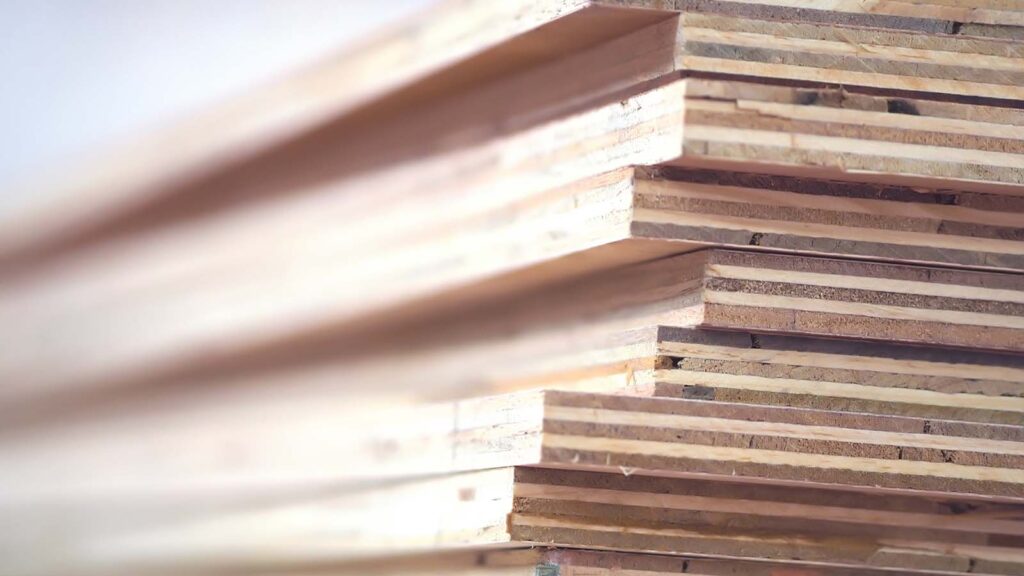
Painting on wood panels? Learn how plywood, MDO, and HDO boards serve as durable supports. This guide covers stability, surface prep, pros & cons, and best practices for oil, acrylic, and tempera.
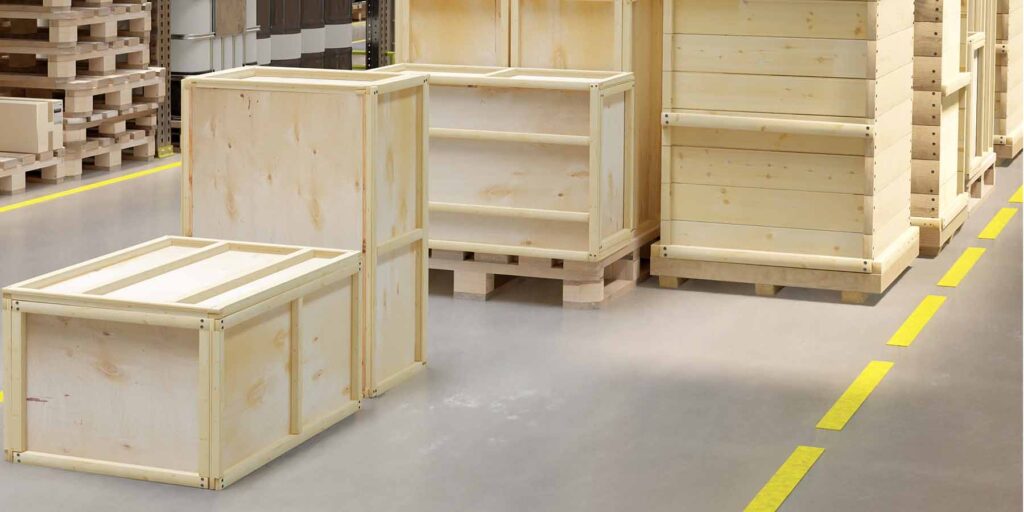
Ship a painting safely with museum-grade packing steps to reduce shock, vibration, and climate damage—crates, face protection, and handling checks

Discover the role of chalk in oil paint, its benefits, and potential risks. Learn how to prevent degradation and enhance paint stability.

Learn how canvas sizing affects canvas tension, cracking, and humidity response, and when to choose PVA or acrylic sizes for oil painting longevity.

Explore the chemistry of modern oil paints, focusing on additives, pigments, and techniques to ensure artwork longevity. We examine four case studies.
Please confirm you want to block this member.
You will no longer be able to:
Please note: This action will also remove this member from your connections and send a report to the site admin. Please allow a few minutes for this process to complete.
As manufacturers are often very close mouthed about the additives used in their paints, how does an artist make an informed choice about what paints to use?
You can assume that there are additives in the paint because this is a standard practice for almost all paint makers. North American paint manufacturers use aluminum stearate, whereas, in Europe, they use magnesium or aluminum stearate. Only one manufacturer uses castor wax as an additive—Old Holland.
Thank you, George.