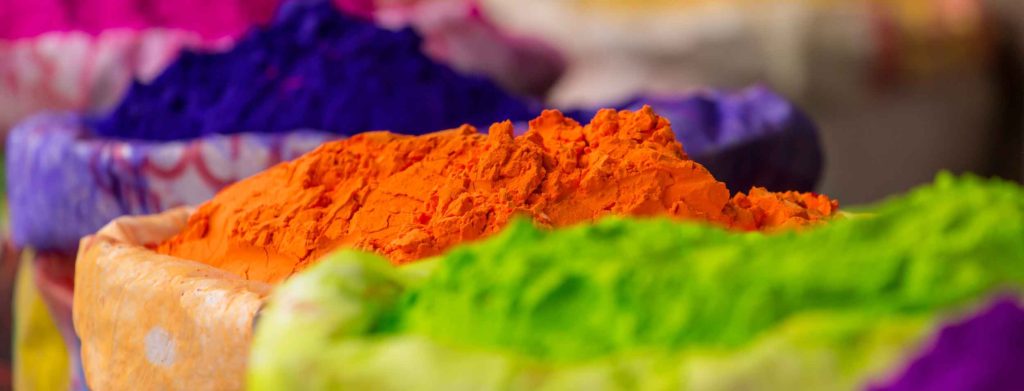
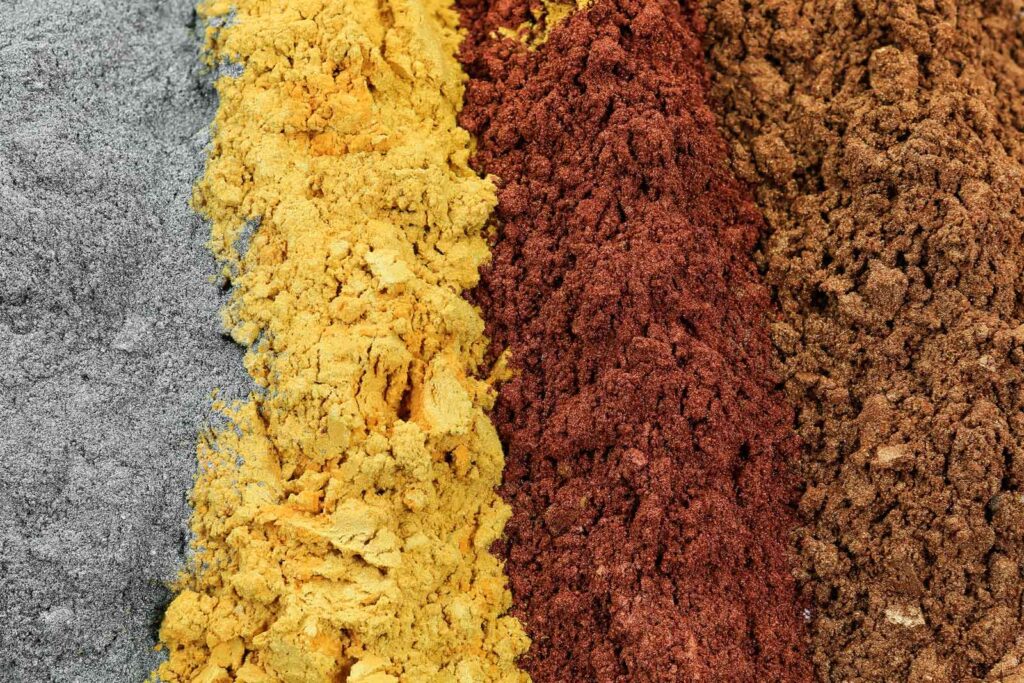
For many years, I have been talking about the importance of pigment particle size as a means for artists to understand how to manipulate paint rather than only the binding medium. Most artists work on the basis of changing the properties of paint with mediums, but this has a limited effect on paint properties and behavior. Here is confirmation of how old masters were able to achieve spectacular effects due to the particle size of the pigments in their paint (unlike modern oil paints):
The investigation of the nature and working properties of Rembrandt’s paints became known as the work progressed as “the binding medium research”, since consideration of the influence of materials on the pictorial style of an artist normally lead us to think of the binding medium. When it comes to the working properties of the paint, however, the pigments, and in particular the size of the pigment particles, are just as important as the binding medium in determining the paint’s deformation and flow behavior. This rheology of the paint is also influenced by the quantity and the distribution of the pigments and eventual driers and other additives.
Groen, Karin. 1997. Investigation of the use of the binding medium by Rembrandt. Zeitschrift für Kunsttechnologie und Konservierung, 2, 208.
This is one of the many topics discussed in Painting Best Practices courses. If you want to learn more, please see the Art Foundation courses.
Why is pigment particle size important for artists in manipulating paint?
Pigment particle size is crucial because it significantly influences the paint’s deformation and flow behavior, enabling artists to manipulate paint more effectively than solely relying on binding mediums.
How did old masters achieve spectacular effects in their paintings compared to modern oil paints?
Old masters achieved remarkable effects primarily due to the smaller pigment particle size in their paints, which affected the paint’s rheology and overall working properties, unlike many modern oil paints.
Want to read the full article and unlock all resources? Choose an option below:
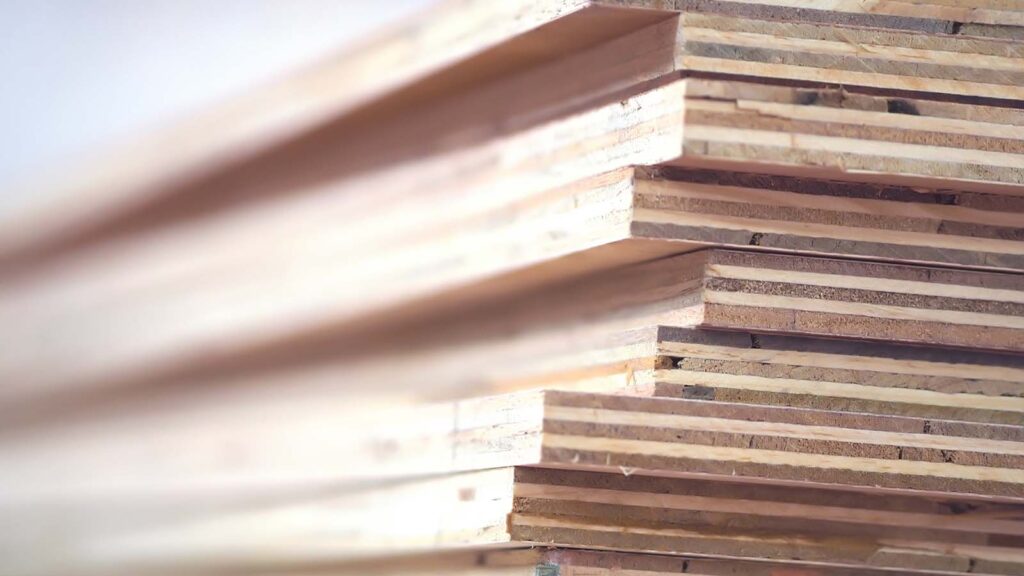
Painting on wood panels? Learn how plywood, MDO, and HDO boards serve as durable supports. This guide covers stability, surface prep, pros & cons, and best practices for oil, acrylic, and tempera.
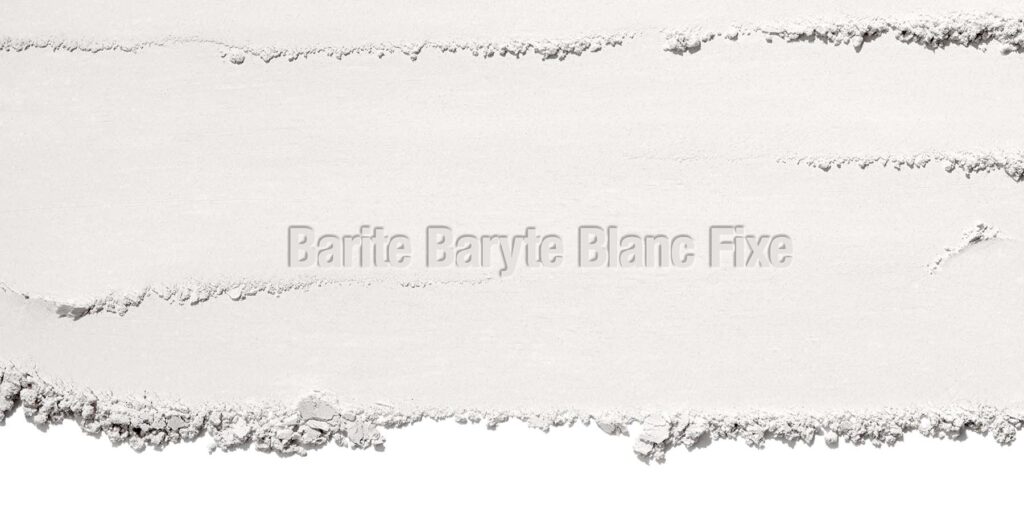
Discover how barite (baryte or blanc fixe) has shaped oil painting from the 18th century to today. Learn its properties, uses, and hidden drawbacks—why it stabilizes paint but can cause brittleness or “chalking” when overused.

Please note:
This action will also remove this member from your connections and send a report to the site admin.
Please allow a few minutes for this process to complete.
Report
You have already reported this .
Subscribe to Our Newsletter
To begin reading the content, join thousands of artists enjoying our articles. Subscribe to receive updates on artists materials and practices.
Responses