Imagine the first brushstroke meeting a luminous, smooth surface that seems to glow from beneath. That surface is the painting ground — often overlooked yet critical to the entire painting process. In reviewing recent technical studies of 19th-century painting grounds, we gain valuable insights that extend beyond historical curiosity. These findings serve as both a warning and a guide for artists today who wish to adopt traditional techniques or understand the shortcomings of commercial products.
The nineteenth century was a period of rapid change in the preparation of grounds. Increased industrialization brought commercial canvases to the market, but not without consequences. Similar issues persist in modern materials, making this topic essential for any artist concerned with the durability and optical quality of their work.
The Role of the Painting Ground in Oil Painting
Recognizing the central role of the ground in a painting’s stability and appearance, Max Doerner noted that it “has an extraordinary influence on the durability of the picture and the action of the colors” (Doerner, 1984, 8). He emphasized that even with the thickest oil paints, the character of the ground strikes through. A clean white ground will lend brilliance; a poorly chosen or degraded one can muddy colors or cause long-term damage.
The function of a ground is threefold: to seal the support, provide a working surface, and influence the optical character of the painting. Artists of the Hudson River School, such as Frederic Edwin Church, took this seriously. They adjusted the tone and absorbency of the ground to support luminous glazes and radiant light effects (Zucker, 1999, 3–5).
Painting Ground Materials: Innovation and Its Pitfalls
During the 19th century, artists increasingly relied on colormen to supply prepared canvases. These suppliers experimented with additives to improve storage and drying time. Unfortunately, they often prioritized economy and efficiency over longevity. One consequence was the widespread use of driers such as lead acetate (also known as sugar of lead), which accelerated oxidation but later contributed to ground staining and delamination (Zucker, 1999, 11).
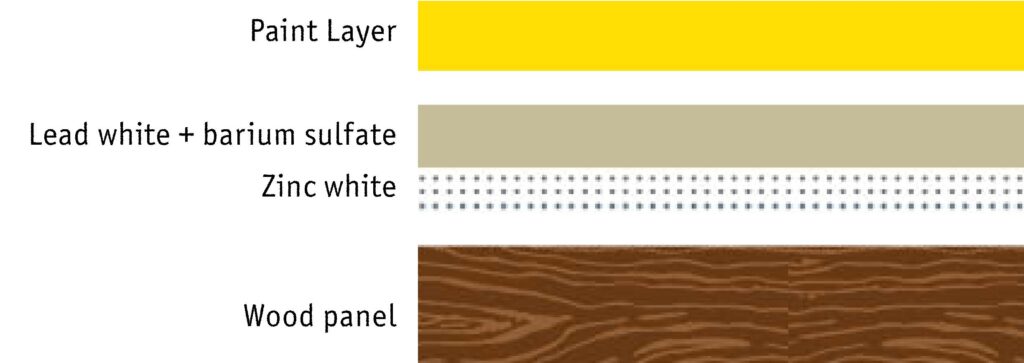
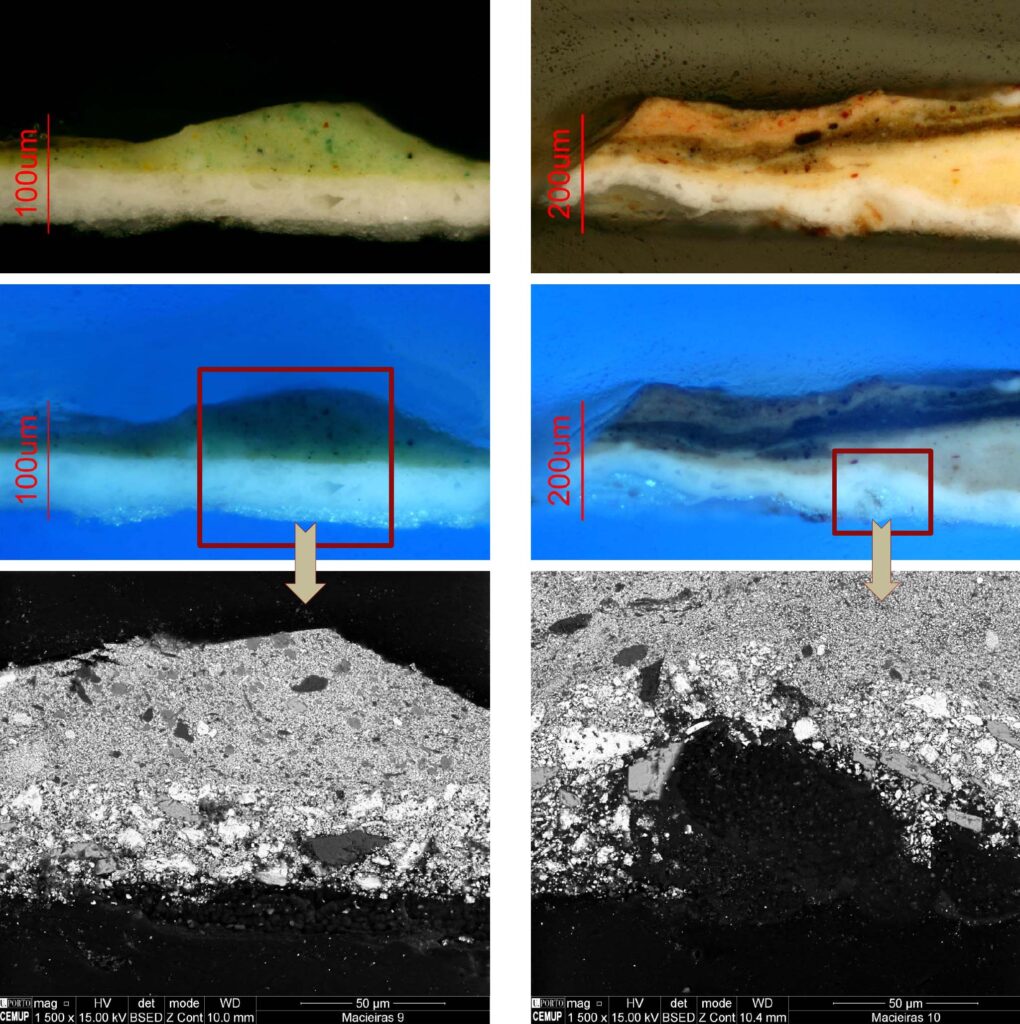
Landscape with apple trees in blossom and peasant woman (c.1881-93) Silva Porto, oil on panel, 370x56mm. Paint losses are highlighted in red.The diagram shows the structure of the ground of the painting by Silva Porto and shows a zinc white ground applied to the wood panel to fill the grain structure.Microscopic views of paint failure due to zinc soap formation in the ground layer. With high humidity, zinc soaps form within the ground, expand, and push against the upper paint layers—causing fissures, ridges, and eventual loss of both paint and ground. The accompanying optical and SEM-EDS images illustrate these deformations and the presence of zinc soaps in cross-section.
The choice of pigments in the ground also played a critical role. Zinc white, introduced in the 19th century as a safer alternative to lead white, was often used in ground layers. However, it is now known to form zinc soaps, which expand within the paint and cause cracking, ridging, and paint loss. A study of Silva Porto’s painting revealed extensive damage caused by zinc soap formation originating in the ground layer, especially where it filled the pores of a wood panel (Campos et al., 2016). Despite this, zinc white remains a common component in many commercial oil ground preparations today, where it is often combined with titanium dioxide. The exclusion of lead white in these formulations is largely driven by regulatory pressures and the commercial focus on hobbyists and amateur painters, who represent a larger market share than professionals.
Want to read the full article and unlock all resources? Choose an option below:
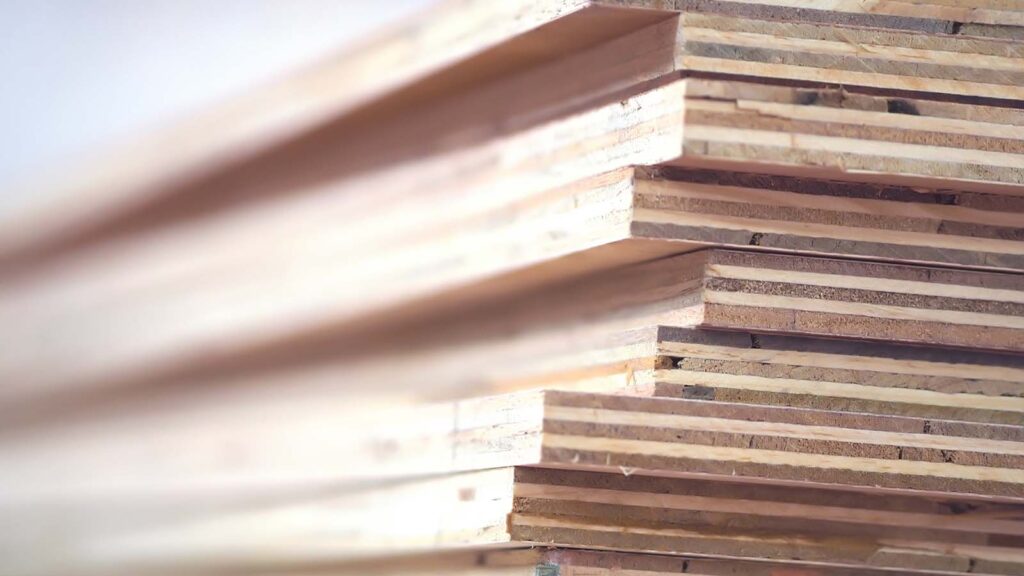
Painting on wood panels? Learn how plywood, MDO, and HDO boards serve as durable supports. This guide covers stability, surface prep, pros & cons, and best practices for oil, acrylic, and tempera.
What happens when your painting ground cracks? New research on gesso fracture toughness, acrylic primers, and zinc white reveals what your ground choice means for longevity.
Discover how barite (baryte or blanc fixe) has shaped oil painting from the 18th century to today. Learn its properties, uses, and hidden drawbacks—why it stabilizes paint but can cause brittleness or “chalking” when overused.
What specifically do you want to know about “sealing” wood panels? What wood panels are you interested in, and would you like to know more about?
Report
There was a problem reporting this post.
Block Member?
Please confirm you want to block this member.
You will no longer be able to:
See blocked member's posts
Mention this member in posts
Invite this member to groups
Message this member
Add this member as a connection
Please note:
This action will also remove this member from your connections and send a report to the site admin.
Please allow a few minutes for this process to complete.
Report
You have already reported this .
Subscribe to Our Newsletter
To begin reading the content, join thousands of artists enjoying our articles. Subscribe to receive updates on artists materials and practices.






Very informative. I look forward to more on this topic, including how to seal wood panels…
What specifically do you want to know about “sealing” wood panels? What wood panels are you interested in, and would you like to know more about?