Understanding oil painting grounds is essential for controlling adhesion, absorbency, flexibility, and long-term stability in painting. The preparation of a canvas determines adhesion, absorbency, flexibility, and long-term stability. Much of what is commonly taught about historical grounds derives from manuals. However, manuals often describe idealized practices rather than what artists or suppliers actually did. This study analyzes nine Danish Golden Age paintings to determine the real materials and structures used in their preparation layers (Andersen et al., 2017, pp. 2–3).
The authors used SEM–EDX for elemental analysis, FTIR for molecular identification, and GC–MS for organic binders. Samples were taken from tacking edges, ensuring that all preparation layers—from canvas upward—were included (Andersen et al., 2017, p. 3).
Historical Context: Grounds and Sizing
Traditional preparation often involved a glue size applied to raw canvas, followed by one or more ground layers. These grounds could include pigments, fillers, and binders such as oil, glue, or emulsions (Andersen et al., 2017, p. 2).
However, nineteenth-century practice was changing. Commercially prepared canvases became more common, and materials were adapted for storage, transport, and flexibility. These practical concerns likely influenced the formulation of the ground (Andersen et al., 2017, pp. 2–3).
General Composition of Oil Painting Grounds
Across all nine paintings, the grounds show a striking consistency:
- Pigment: lead carbonate (lead white)
- Fillers: calcium carbonate, often calcium sulfate; occasionally silicates or barium sulfate
- Binder: drying oil combined with egg
Most importantly, no collagen-based glue sizing was detected. This conclusion is based on the absence of hydroxyproline in amino acid analysis (Andersen et al., 2017, p. 10).

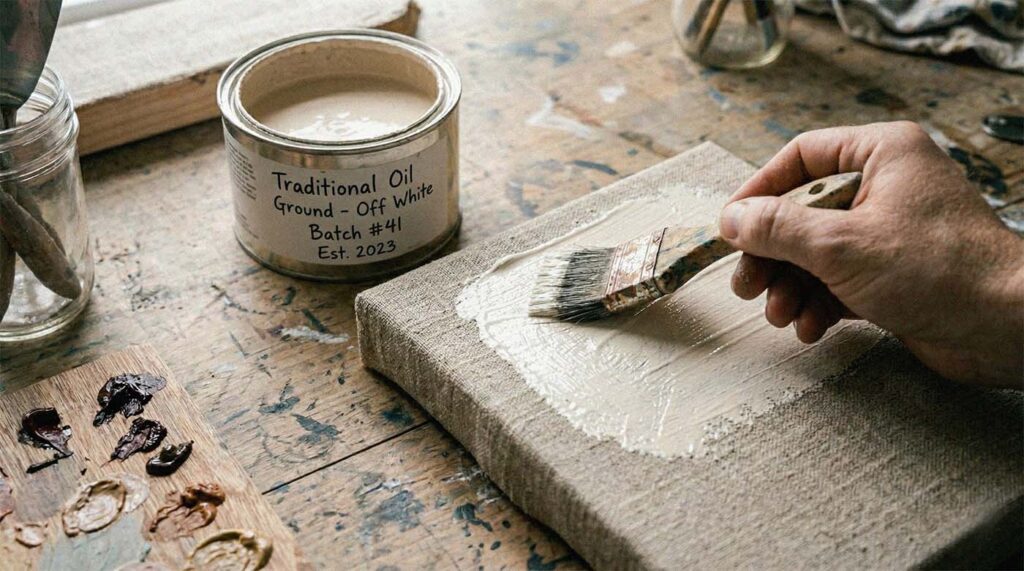


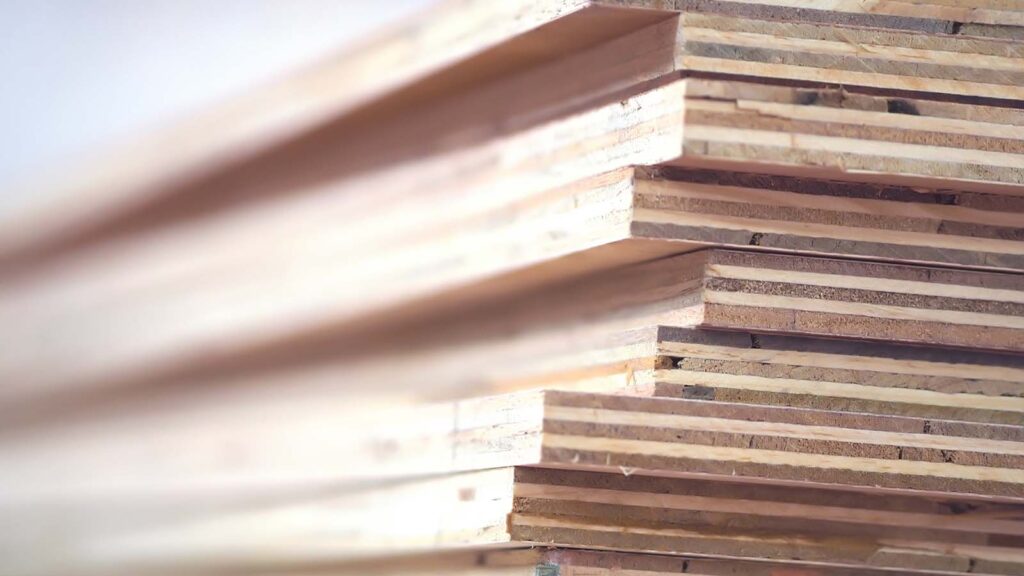


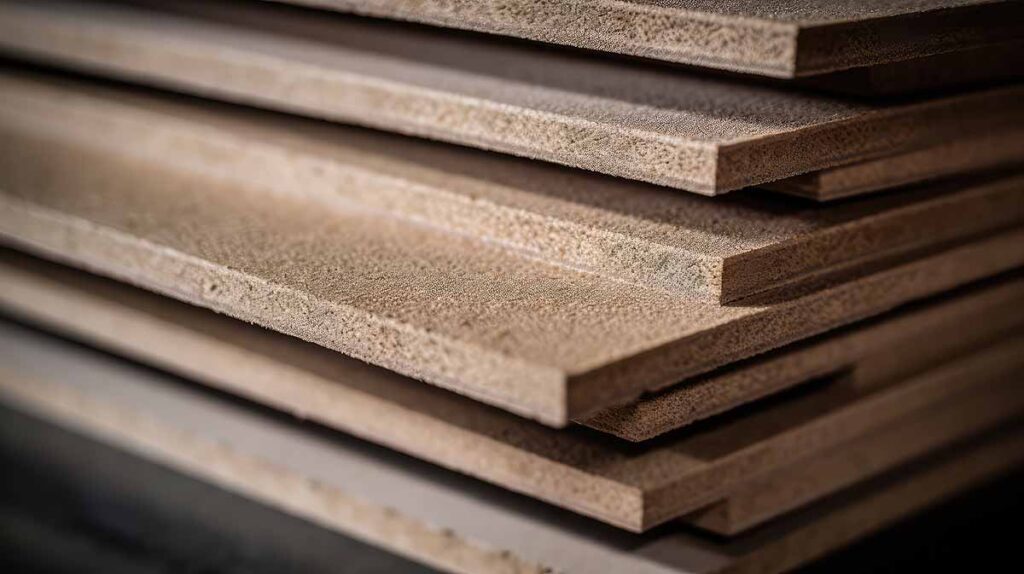
Fascinating. Does this study consider any limitations to the scale of the canvas or whether it is stretched versus over panel?
George,
This is great!
Six questions for you:
1) I recently created “variant A.” How long would you recommend it curing for?
2) Also, how long would you recommend each layer curing for the double ground?
3) For the kaolin (which I have) you mentioned for texture control. What exactly did you mean?
4) For the double ground, a red oxide (hematite bound pigment), is typically what Dutch painters like Rembrandt used. 5) What typically was the goal of the second layer in a Rembrandt vs. a Vermeer? I’m seeking a kind of light brown gold light resonance.
6) How might I re-create this?