Oil painting, a revered medium throughout art history, has undergone significant transformations, particularly in the 20th century. This evolution in the formulation of modern oil paints has led to both new artistic possibilities and fresh conservation challenges, such as increased sensitivity to water and solvents. A deeper dive into these phenomena reveals molecular insights that are crucial for contemporary artists and conservators alike.
The Molecular Dynamics of Modern Oil Paints
Recent research highlights the complex nature of modern oil paints, particularly the role of dicarboxylic acids in contributing to their sensitivity to water and solvents. Traditionally, oil paints were crafted from simple blends of pigments and linseed oil, but the demands of modern manufacturing have led to incorporating various additives to alter characteristics like texture, drying time, and color stability.
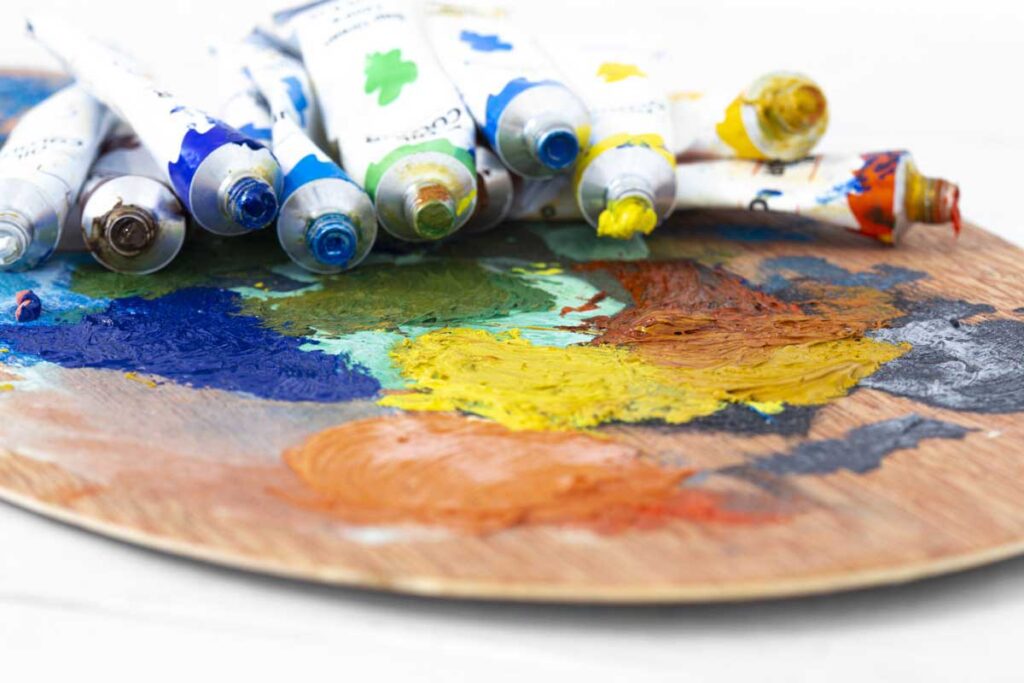
One key finding is the impact of additives such as metal soaps and free fatty acids on the water sensitivity of these paints. These components, when mixed with commercial tube paints, affect the paint’s molecular composition and its interaction with environmental factors. For example, additives can enhance certain properties and make the paint more vulnerable to moisture and other solvent exposures. This is particularly significant for conservation efforts, where understanding the composition of the paint can dictate the approach to restoration and preservation.
Table 1 lists the paint samples used in the study. The additives used are 2% aluminum stearate (AS), 2% zinc stearate (ZS), and 2% free fatty acid (FA)–heptadecanoic acid (margaric acid).
Implications of Modern Oil Paints for Artists and Conservators
For artists, this information is crucial when selecting materials, especially if longevity and durability are key considerations. Knowing that certain additives can increase water sensitivity suggests a need for careful selection of paints based on the intended use and expected environmental conditions of the artwork.
Previous studies have shown that the water sensitivity of oil paint is dependent primarily on the pigment type. In this study, the authors demonstrated that additives may also influence the composition of oil paint films and may also affect water sensitivity. Their research shows it is likely that not only pigments but also additives affect the curing process of the paint, influencing the degree of oxidation and crosslinking, which in turn contributes to the formation of water-sensitive or water-resistant paint films.
Conservators face the challenge of dealing with the unpredictable behavior of these modern materials. The findings from studies like these provide a scientific basis for restoration techniques, which can be tailored to address the specific vulnerabilities of the paint used in an artwork. For example, the choice of cleaning agents and the methods of applying them can be refined based on the molecular composition of the paint layer, thereby preventing further damage during restoration.
Want to read the full article and unlock all resources? Choose an option below:
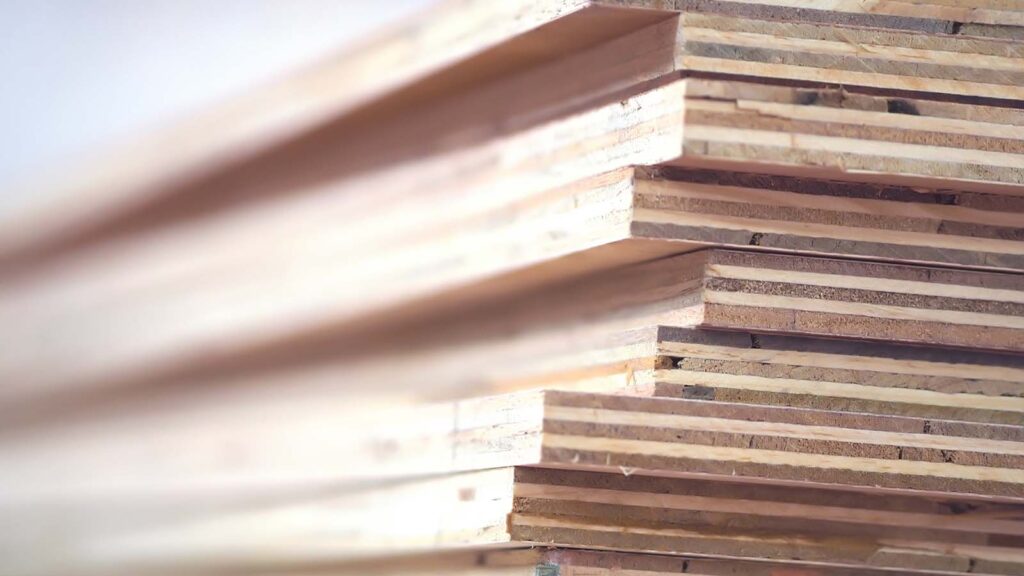
Painting on wood panels? Learn how plywood, MDO, and HDO boards serve as durable supports. This guide covers stability, surface prep, pros & cons, and best practices for oil, acrylic, and tempera.
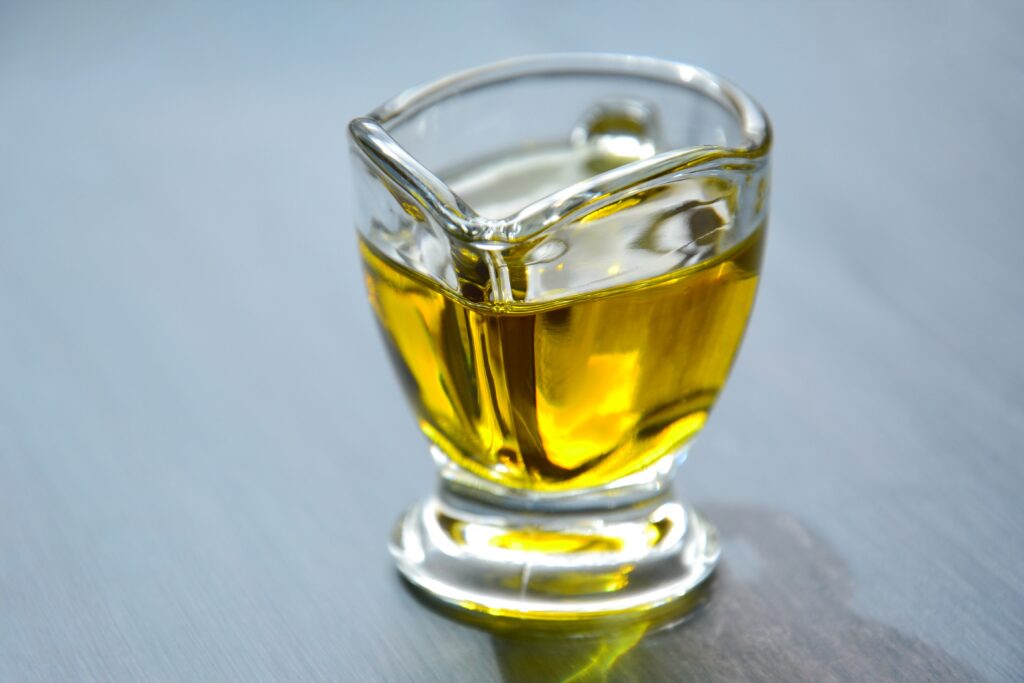
Learn how to prevent yellowing of oil paints with proven techniques and scientific insights. Ensure your artwork stands the test of time with these expert tips.
Please note:
This action will also remove this member from your connections and send a report to the site admin.
Please allow a few minutes for this process to complete.
Report
You have already reported this .
Subscribe to Our Newsletter
To begin reading the content, join thousands of artists enjoying our articles. Subscribe to receive updates on artists materials and practices.






Responses