As artists, we often experiment with different mediums and supports to express our creativity and vision. The unique combination of oil painting on paper, despite its apparent incompatibility, has historically provided artists with a versatile canvas for everything from preliminary sketches to full-scale compositions. However, a groundbreaking research project reveals that this pairing may pose significant conservation challenges that could threaten the longevity of such artworks. In a paper presented at Works of Art & Conservation Science Today, the authors delve into the findings of this study, uncovering the intricate relationship between oil mediums and paper supports.
The research project embarked on an ambitious journey to investigate the deterioration effects of oil on cellulose-based paper supports. Through meticulous, non-destructive examination across various electromagnetic spectrums and analytical techniques, the team has revealed the accelerated oxidation process of cellulose in the presence of oil. This not only threatens the structural integrity of the paper but also leads to a cascade of conservation issues, from discoloration to brittleness.
Brief History of Oil Painting on Paper
Oil sketches on paper, emerging in the early 17th century as preliminary studies or modelli, served as crucial tools for artists conceptualizing compositions. These studies, often small and executed rapidly to capture the essence of the artist’s initial ideas, varied in finish; while some remained rough, others were polished to gain patron approval or guide craftsmen in other media.
By the 18th century, the use of paper and paperboard for oil sketching, especially outdoors, became widespread. Artists employed a range of paper types, some specifically designed for oil painting by the 19th century, to accommodate the medium’s needs. Despite the advent of papers made to support oil paint, such works were traditionally viewed more as drawings rather than full-fledged paintings. This practice evolved over time, with oil on paper being utilized for complete compositions by the 19th and 20th centuries.
Artists have long cherished the paper as a readily accessible, lightweight, and versatile support, juxtaposed with the rich texture and vibrant colors of oil paints. Historical practices have seen this combination employed across centuries, serving not only as a medium for artistic exploration but also as a critical step in the conception and planning of larger works. However, this study’s insights into the chemical interactions at play challenge us to reconsider the long-term implications of our material choices.
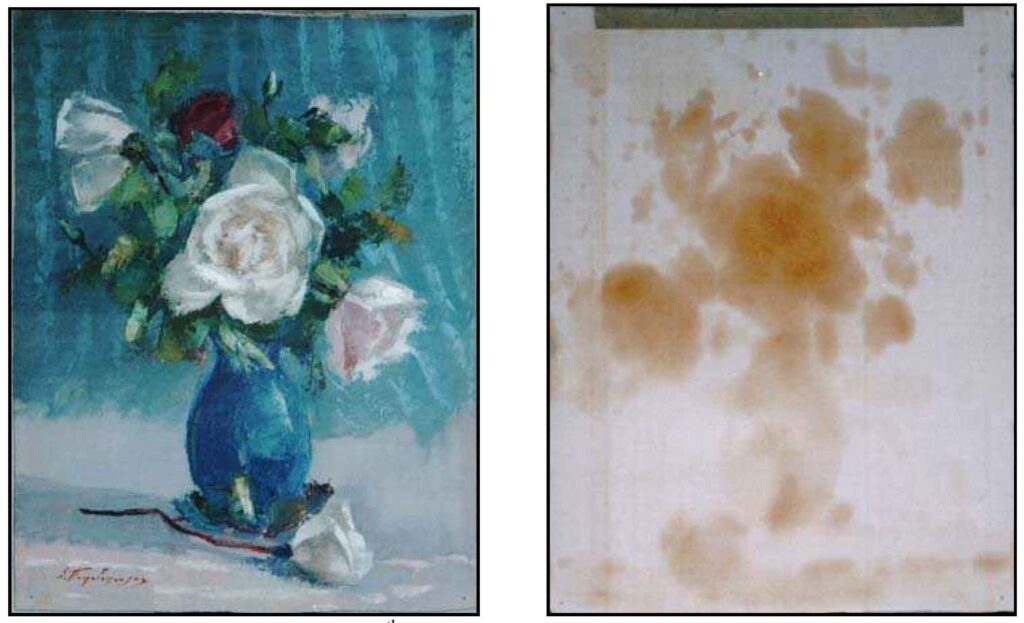
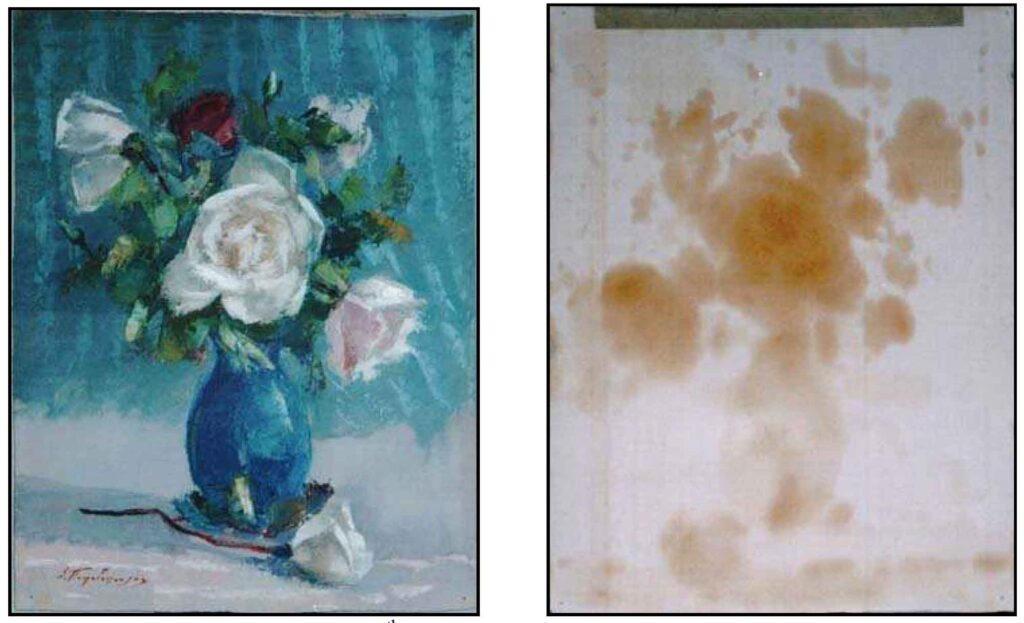
Oil painting on paper from the 20th century, on the left, and the reverse side of the painting on the right. The discolored paper gradually loses its mechanical strength, becomes weak and brittle, and breaks locally or in parts.
The article explores the nuanced ways in which different types of paper, pigments, and manufacturing techniques interact with oil mediums, highlighting the complexities involved in preserving oil paintings on paper. It reveals that the presence of oil not only alters the paper’s appearance under UV light but also fundamentally changes its chemical composition, leading to increased vulnerability over time.
Want to read the full article and unlock all resources? Choose an option below:
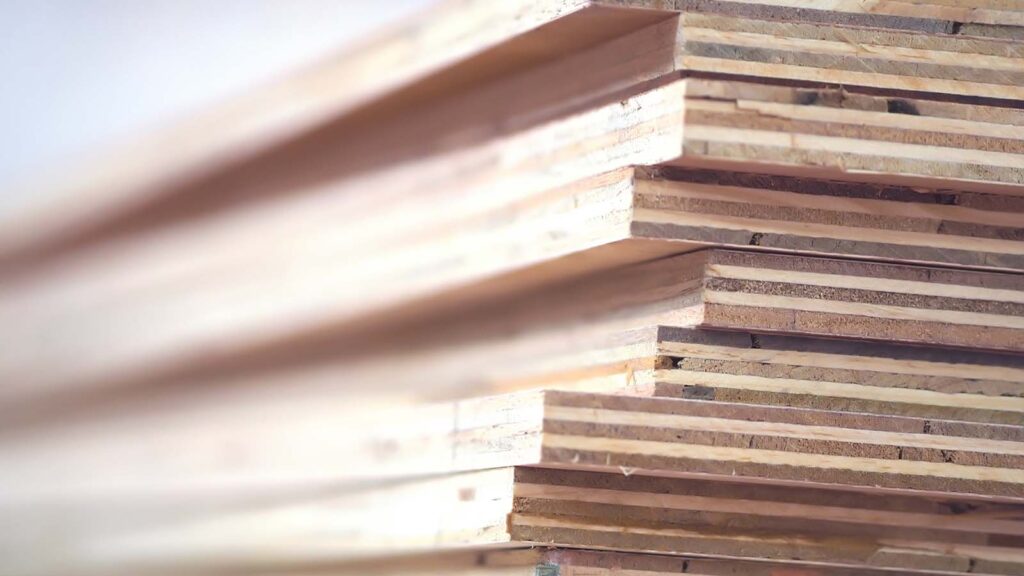
Painting on wood panels? Learn how plywood, MDO, and HDO boards serve as durable supports. This guide covers stability, surface prep, pros & cons, and best practices for oil, acrylic, and tempera.
Explore how oil paint driers speed up drying times, the types available, and their long-term effects on paint durability. Learn to choose the best driers for your artwork.
I don’t know if it’s a good practice or not, but I had for many years worked in oils on paper for many years using the following method: 1. Applying a coat of acrylic matte medium to both sides of heavyweight Arches hot press watercolor paper; 2. using a white artist grade tube alkyd paint for the painting surface; 3. if the painting is a keeper, mounting it on a masonite board with acrylic gloss medium. So far, the unmounted paintings have shown no oil bleedthrough on the reverse. I like the surface, and it has been very convenient for plein air painting.
Have you looked at Stonehenge Oil paper at all? I’m wondering if their specially formulated sizing would help guard against some of these effects. It’s great to work with, but I hate the idea of my work falling apart down the road.
Please note:
This action will also remove this member from your connections and send a report to the site admin.
Please allow a few minutes for this process to complete.
Report
You have already reported this .
Subscribe to Our Newsletter
To begin reading the content, join thousands of artists enjoying our articles. Subscribe to receive updates on artists materials and practices.



I don’t know if it’s a good practice or not, but I had for many years worked in oils on paper for many years using the following method: 1. Applying a coat of acrylic matte medium to both sides of heavyweight Arches hot press watercolor paper; 2. using a white artist grade tube alkyd paint for the painting surface; 3. if the painting is a keeper, mounting it on a masonite board with acrylic gloss medium. So far, the unmounted paintings have shown no oil bleedthrough on the reverse. I like the surface, and it has been very convenient for plein air painting.
Have you looked at Stonehenge Oil paper at all? I’m wondering if their specially formulated sizing would help guard against some of these effects. It’s great to work with, but I hate the idea of my work falling apart down the road.
https://legionpaper.com/stonehenge-oil