
Confusing Concepts in Oil Painting: Fat Over Lean

Want to read the full article and unlock all resources? Choose an option below:
Already a member? Log in to continue Start 14-Day Trial ($1)Cancel anytime · 30-day money-back guarantee
Want to read the full article and unlock all resources? Choose an option below:
Already a member? Log in to continue Start 14-Day Trial ($1)
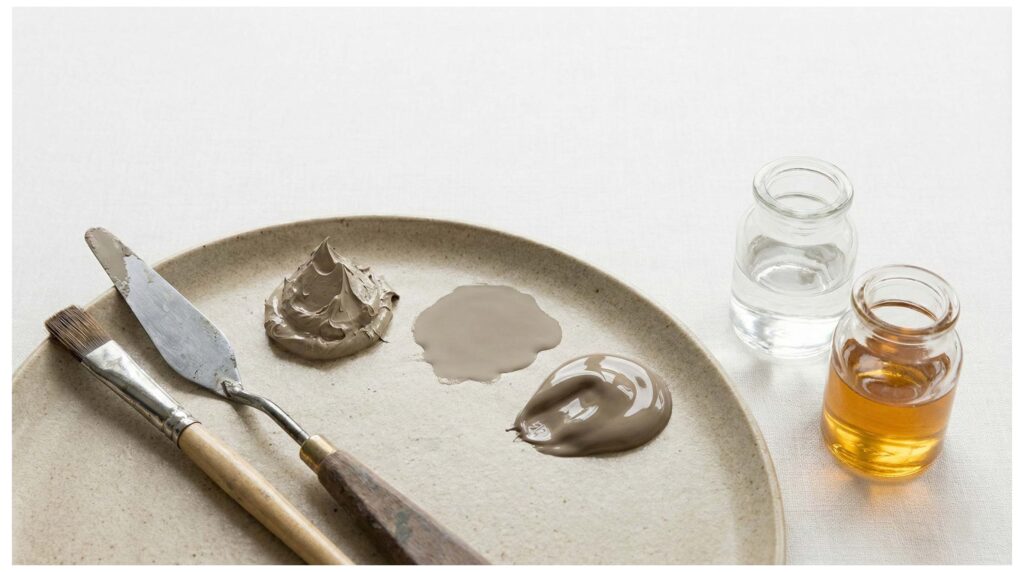
Fat over lean explained with PVC/CPVC. Learn how tube paint, solvents, and mediums change film strength, flexibility, and cracking risk in layered oil and alkyd painting.
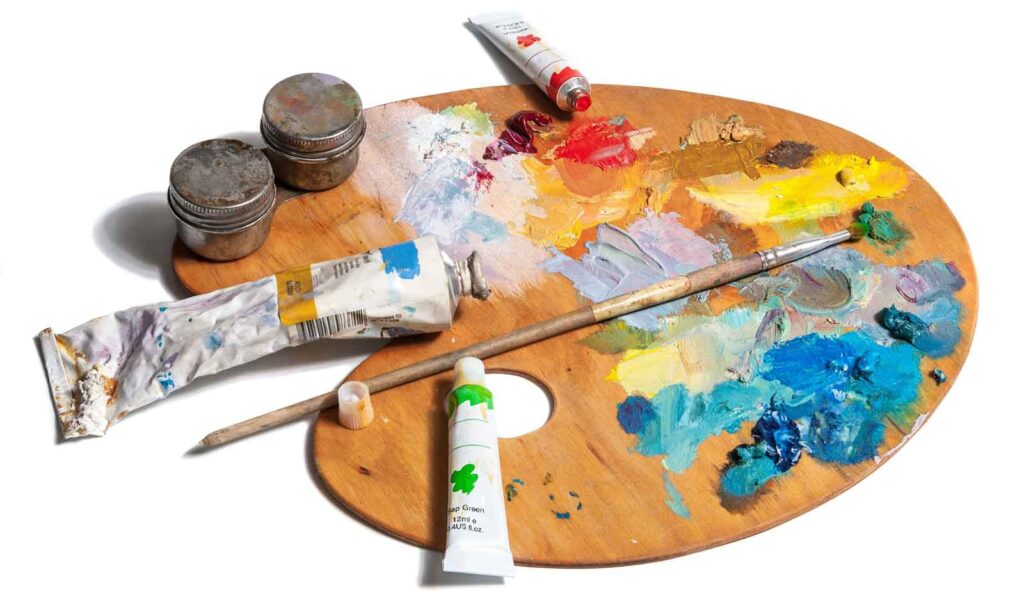
Learn how to apply the fat-over-lean rule in oil painting to ensure lasting, flexible layers. Understand its role in medium selection and paint layering.
Painting on wood panels? Learn how plywood, MDO, and HDO boards serve as durable supports. This guide covers stability, surface prep, pros & cons, and best practices for oil, acrylic, and tempera.
Learn how painting on MDF affects painting longevity, with guidance on sealing panels, managing moisture and emissions, and choosing safer supports.
Ship a painting safely with museum-grade packing steps to reduce shock, vibration, and climate damage—crates, face protection, and handling checks
Please confirm you want to block this member.
You will no longer be able to:
Please note: This action will also remove this member from your connections and send a report to the site admin. Please allow a few minutes for this process to complete.
Excellent explanation. Thanks so much!
George, why do you say that paint diluted with solvent is higher PVC?
As far as I can tell, unless the solvent allows the oil to soak into an under-painting, leaving paint on the surface with a higher PVC, the pigment/binder proportion should remain much the same after the solvent has evaporated. I imagine any evaporating volatile components in the oil would be insignificant as far as PVC is concerned.
(I’m seeking clarification because you are being quoted as saying adding solvent increases PVC at the facebook “Traditional Painting” group.)
Thanks in advance.
Ron Francis.
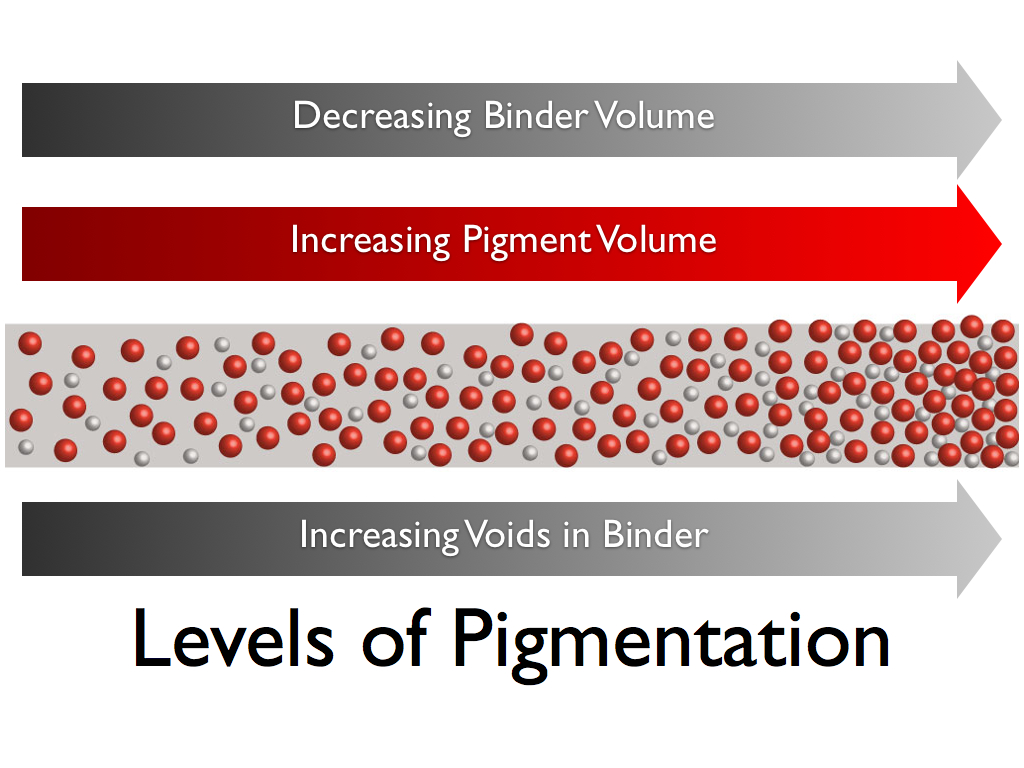
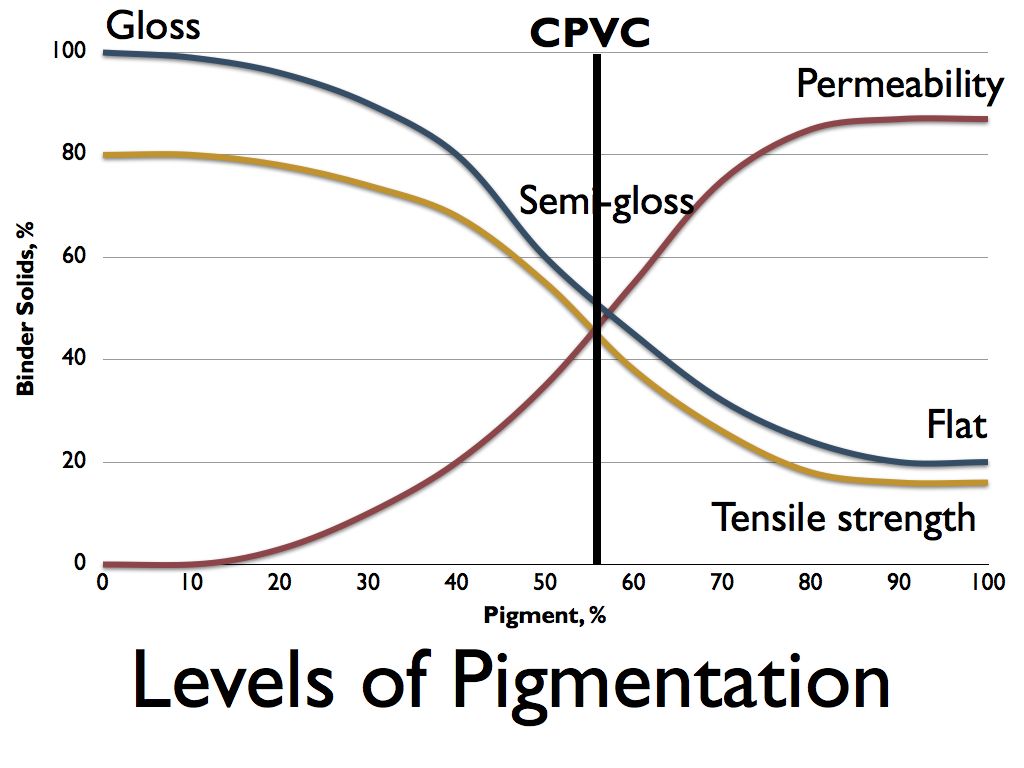
The solvent does not directly increase the pigment volume concentration (PVC) of pigments but significantly decreases the viscosity of the oil in the paint film. Since oil paint dries rather slowly, this allows the oil to migrate into the substrate below (unless the substrate is non-absorbent), thereby depriving the paint film of oil and increasing the PVC.
Hi George. May I ask, would there be any benefits to the end user by adding the cPVC percentage to paint tubes as a guide to how they have been formulated? For example, a student grade paint would have more fillers (likely) than an artist grade / colourman formulated paint would. Or does each tube regardless of its quality have a cPVC based on how that tube has been made?
Secondarily, would this require a table of pigments/location of pigments used, to then base the cPVC on?
Thanks. I’m just throwing thoughts out there, not an expert!
There are no practical benefits to artists because what may surprise you is that almost all paints have the same cPVC from 45 to 55%. What does matter is the PVC of the paint. This changes based on the actual proportion of pigment to oil. This is something we have considered doing, and certainly we have most of the data already, as should most formulators.