What Are Earth Pigments in Painting Materials?
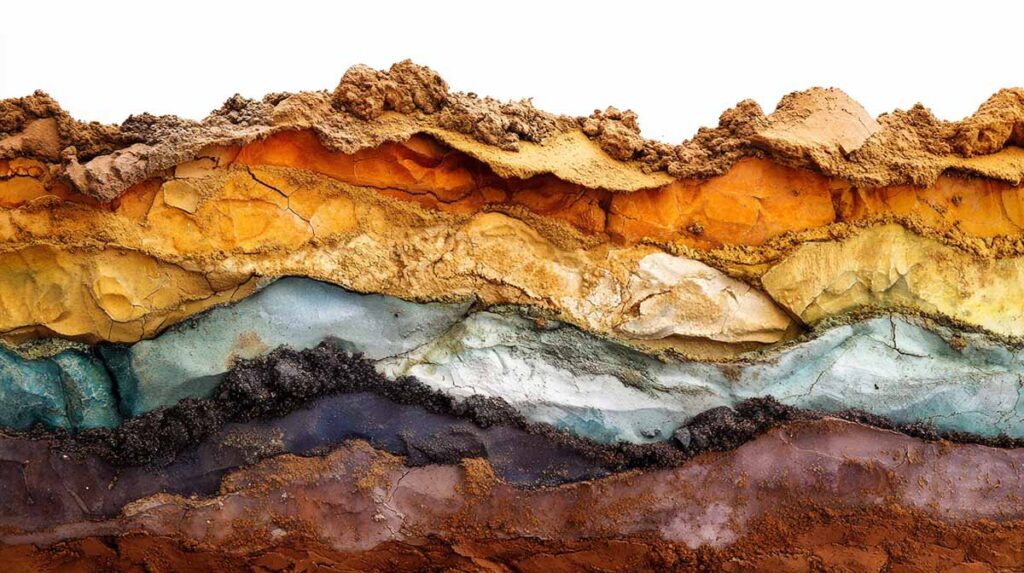
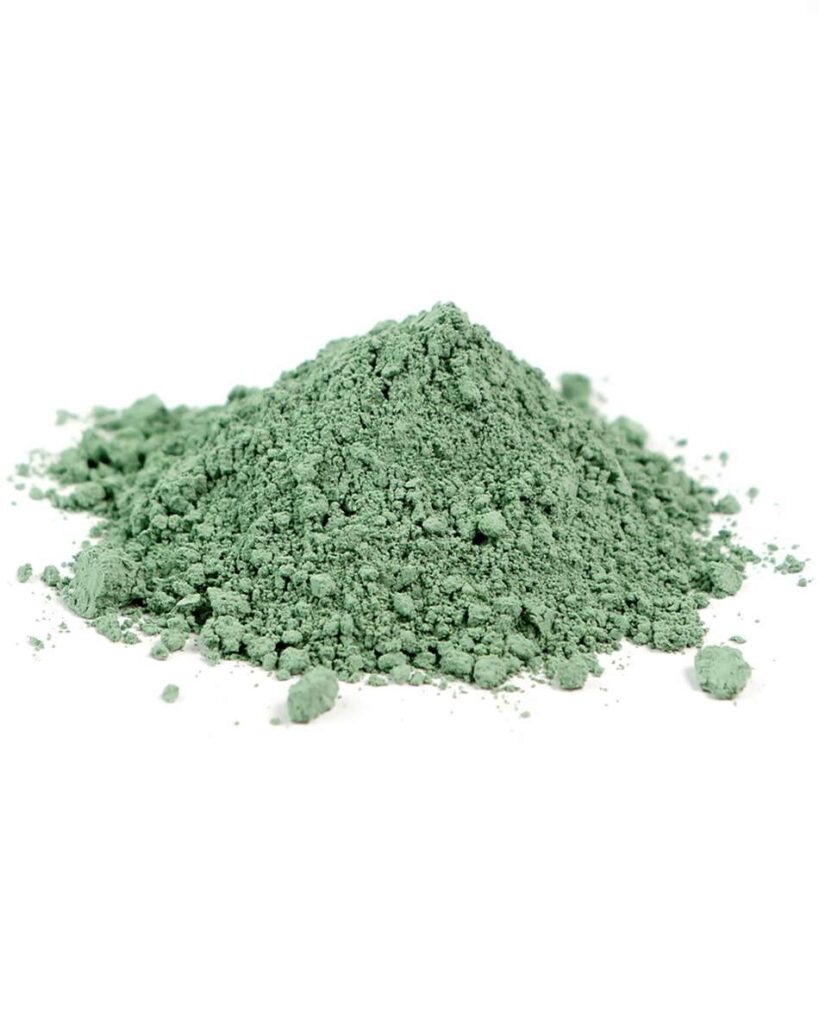
Earth pigments—ochres, siennas, umbers, and green earths—are traditionally mined mineral pigments valued for their stability, moderate tinting strength, and predictable handling. However, the label “earth pigment” does not guarantee natural origin. Over the past two centuries, synthetic pigments and extenders have been routinely substituted for, blended with, or sold as earth pigments. This practice reflects industrial priorities—cost, color consistency, and supply reliability—rather than artists’ expectations for materials.
Featured snippet takeaway: Earth pigments are defined by color category in the market, not by geological source.
Why Synthetic Pigments Are Sold as Natural Earth Pigments
Industrial Economics Behind Pigment Substitution
Manufacturers primarily serve industrial buyers—not artists. Therefore, pigments are optimized for cost, color uniformity, and scalability. Geological origin is secondary. Consequently, synthetic iron oxides and blended products often replace mined earths while retaining traditional names.
Featured snippet takeaway: Synthetic pigments replace earths because they are cheaper, more consistent, and easier to supply.
Historical Evidence of Earth Pigment Adulteration
Nineteenth-Century Pigment Manufacturing Practices
By the mid-nineteenth century, pigment names no longer guaranteed composition. Documentary research shows that colormen preserved historical names even as formulations changed, especially when substitutes reduced cost or improved consistency (Carlyle 1993; Townsend et al. 1995).
Therefore, modern assumptions about pigment authenticity often project contemporary values onto historical supply chains.






This is a really helpful article and I wish more artists would care about what goes into the paint and products they are using.
Thank you for this helpful article! Very informative. I only wish at the end there were links to natural earth paints that you guys make because now I want to get some.
Here are the natural earth paints Natural Pigments makes: https://www.naturalpigments.com/paints/oil-paints/shop-all-oil-colors.html?pigment_family=1130
Great article. But, sad to see my “trust”, yet again, taken advantage of for monetary gain and someone else’s convenience. Thanks for keeping us informed George. Clear answers improve trust. Ambiguity is itself informative. Love it!