Artist canvas materials have evolved, but contemporary painters still face challenges regarding the longevity and stability of their works. This review, based on a comprehensive study by Villers, Hedley, and Mehra from the Courtauld Institute of Art and the Central Research Laboratory, explores the materials and techniques that impact the durability and integrity of paintings. This guide aims to provide artists with insights into the best practices and materials for canvas painting, ensuring the longevity of their artworks.
The Drawbacks of Traditional Artist Canvas Materials
Linen and Cotton: Historical Artist Canvas Materials
Linen and cotton have been the preferred materials for stretched canvases due to their availability and initial strength. However, their suitability has been questioned due to their chemical and mechanical properties. Both materials suffer significant strength loss over time due to environmental factors like light, moisture, and pollutants. For example, linen canvas can lose up to two-thirds of its original strength in just 24 years.
Mechanical Properties and Moisture Sensitivity of Artist Canvas
The primary issue with linen and cotton canvases is their sensitivity to moisture. Both materials expand and contract with humidity changes, causing stresses that lead to cracking and delamination of the paint layer. This behavior is problematic for large paintings, which can suffer from significant slackening and tightening cycles.
Alternatives in Artist Canvas Materials
Acrylic and Polyester Fabrics
Synthetic materials such as acrylic and polyester fabrics have been proposed to address the limitations of traditional canvases. These materials offer several advantages:
- Durability and Chemical Stability: Acrylic fibers, for instance, are highly resistant to acidic pollutants and light, making them an excellent choice for artists concerned about the longevity of their work.
- Low Moisture Absorption: Polyester fabrics have minimal moisture uptake, reducing the risk of swelling and contraction that can damage the painting layers.
- Mechanical Properties: Polyester fibers exhibit high tenacity and low elongation, providing a stable and resilient support for paintings.
Practical Recommendations: Artist Canvas Materials
Choosing the Right Artist Canvas Material
Artists should consider synthetic fabrics like polyester for their superior durability and stability. These materials are resistant to environmental factors that typically degrade traditional canvases. Additionally, the compatibility of acrylic paints with acrylic supports ensures a cohesive and stable painting structure.
Best Practices for Painting Canvas Preparation
- Avoid Sizing with Animal Glue: Traditional sizing methods can introduce moisture sensitivity. Artists should explore modern alternatives that do not require animal glue. While acrylic mediums were recommended as a substitute for traditional animal glue size, recent issues uncovered by Golden Artists Colors show that alternative materials such as polyvinyl acetate (PVA) or vinyl acetate-ethylene (VAE) can be used instead.
- Pre-stretching: Regardless of the material, pre-stretching the canvas before painting can help maintain tension and prevent slackening over time.
The evolution of artists’ canvases is crucial for preserving the integrity and longevity of artworks. By understanding the limitations of traditional materials and embracing new technologies, artists can ensure that their creations withstand the test of time. Synthetic fabrics like acrylic and polyester offer promising alternatives, providing stability and resilience that surpass traditional linen and cotton canvases.


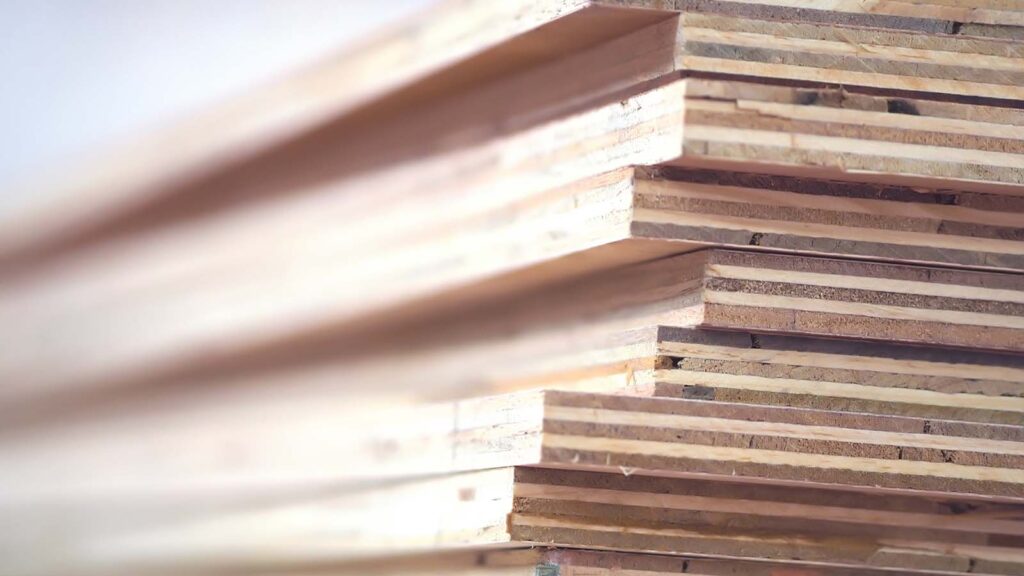


Important subject! Thanks for discussing. Might be appropriate to provide additional info pros and cons of gluing linen and/or cotton canvas to support panel materials — which is easier said than done, but certainly doable in the working studio. ApplePly, a relatively new (to me) brand of high grade hardwood plywood, has some kind of art conservation ‘approval’ rating, the first and only plywood to receive this rating — according to a friend who works at Anchorage, Alaska museum. I do not know details of that rating or, in fact, if that information is accurate, but Natural Pigments might be able to inquire and advise. In times past, I painted a couple of acrylic paintings on Fredrix brand polyester canvas. Any ‘dings’ or mild damage to polyester canvas proves to be a difficulty because it is not easy to remove, and I therefore abandoned use of polyester canvas. Natural fabric linen or cotton canvas is easier to ‘shrink’ up or re-tighten and thus repair problem dings by adding a bit of moisture to back of canvas — not a good idea on an ‘old’ oil painting, but… The best painting support of all, for me personally, is now linen, preferred, or cotton, second choice, glued to high grade plywood panel. ApplePly (brand name) provides a relatively stable support for oil and/or acrylic painting — perhaps not as stable as the new panel materials including Dibond aluminum-polyethylene composite panel materials — but easier for the individual artist to work with and construct various panel dimensions in the studio. Preferred adhesives: rabbit skin glue because it shrinks up tight, or acrylic heavy gel medium which is like a pasted glue. Pros and cons about either adhesive. The procedure is easier said than done, but this does offer flexibility of creating stable panels of most any size in the studio — always an important consideration for the working artist.
What is the art conservation approval rating? I am not aware of any approval ratings by museums or conservation groups.
Amazing! This blog looks just like my old one! It’s on a entirely different subject but it has pretty much the same page layout and design. Superb choice of colors!
my web page – https://Vavadaonline.Mystrikingly.com/