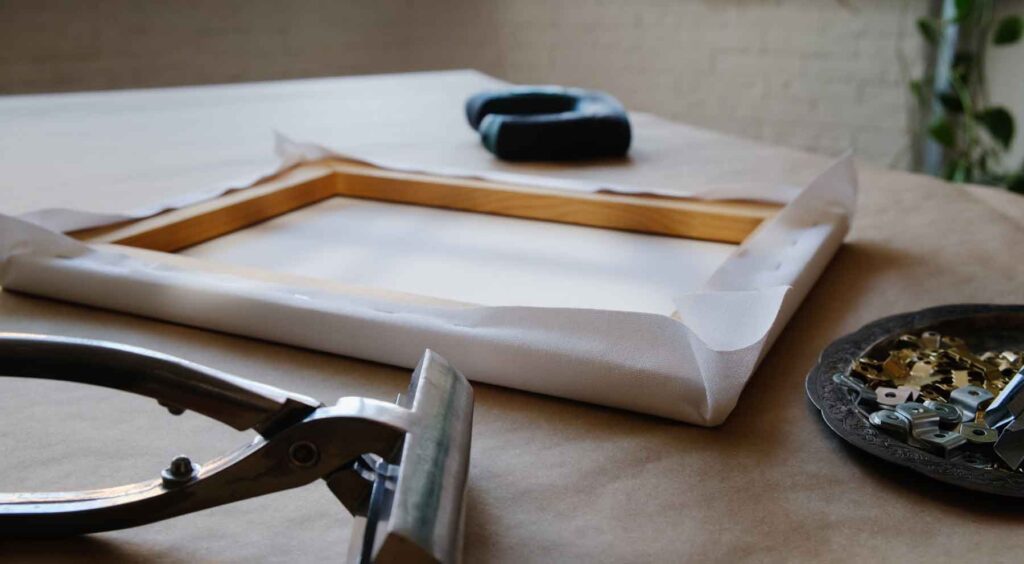
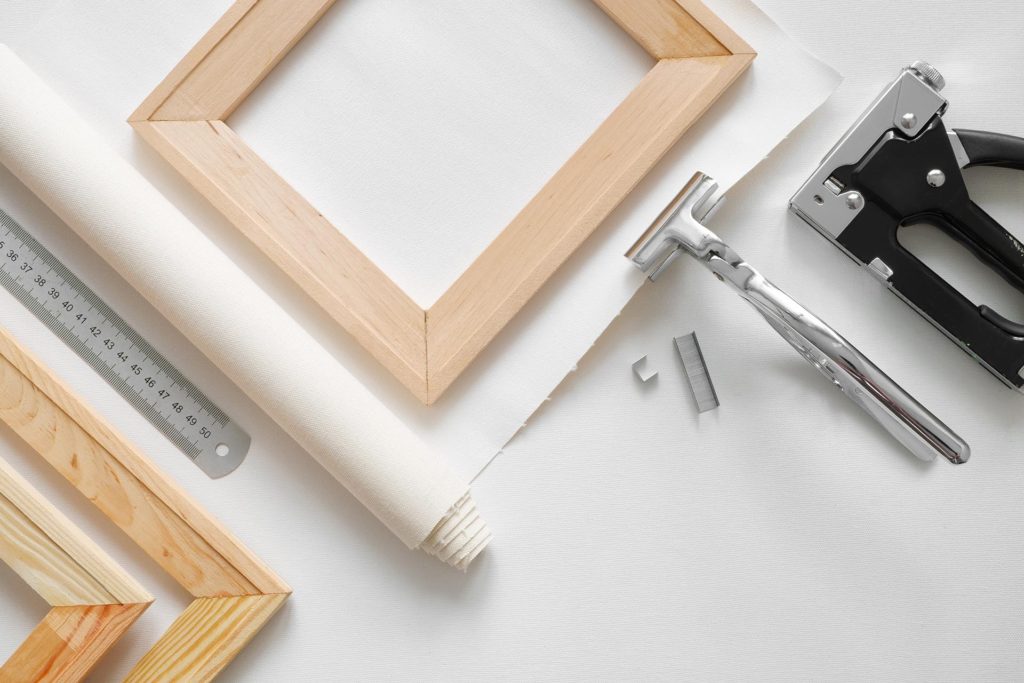
All paintings should have backing boards as a preventive conservation measure. Installing a canvas backing board on an auxiliary support (stretcher or strainer) will protect the painting from mechanical damage from behind, prevent dirt and debris from falling between the lower stretcher/strainer bar and the canvas, buffer fluctuations in relative humidity (RH) by enclosing the reverse of the painting; reduce vibration of the canvas in transit; decrease the painting’s sensitivity to shock; and discourage the practice of attaching labels to, or writing on, the back of the canvas.
To fulfill these functions, the board must be strong and rigid, and it must be sealed against the reverse of the auxiliary support to reduce air circulation. It should also be lightweight and have low permeability to moisture, although ideally, it should be used in combination with a hygroscopic material capable of absorbing and releasing moisture.
Coroplast is a trademark for a corrugated plastic sheet that can be easily cut to size for use as a canvas backing board.
The humidity protection afforded by the backing board is greatly enhanced if the painting is framed behind glass or an acrylic sheet (Plexiglas). The glazing will provide additional protection against day-night environmental cycles and can provide long-term protection over many weeks. Vibration of the canvas under normal handling conditions will also be reduced.
Excerpt from the article by the Canadian Conservation Institute:
What is the importance of backing boards for paintings?
Backing boards serve as a preventive conservation measure by protecting the painting from mechanical damage, preventing dirt and debris buildup, buffering humidity fluctuations, reducing vibration during transport, decreasing sensitivity to shocks, and discouraging writing or attaching labels on the back of the canvas.
Want to read the full article and unlock all resources? Choose an option below:
Discover how canvas backing boards can extend the life of your paintings. This guide covers the best practices for selecting and using backing boards effectively. Learn more to ensure your art remains pristine.

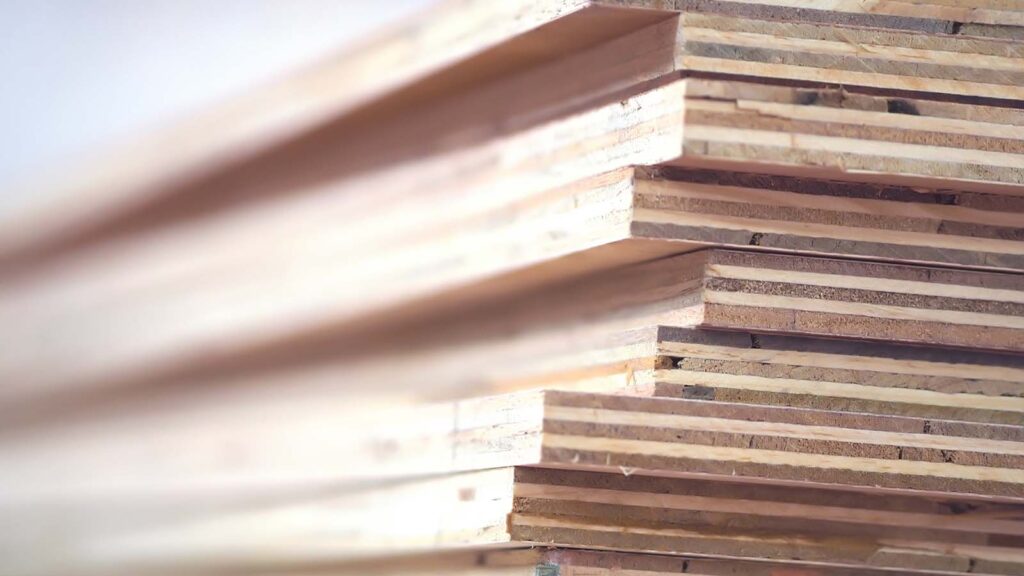
Painting on wood panels? Learn how plywood, MDO, and HDO boards serve as durable supports. This guide covers stability, surface prep, pros & cons, and best practices for oil, acrylic, and tempera.
Learn the best practices for canvas preservation — protecting the back of stretched paintings from relative humidity, condensation, and material degradation.
Please note:
This action will also remove this member from your connections and send a report to the site admin.
Please allow a few minutes for this process to complete.
Report
You have already reported this .
Subscribe to Our Newsletter
To begin reading the content, join thousands of artists enjoying our articles. Subscribe to receive updates on artists materials and practices.
Responses