

Venetian Red Pigment: History and Modern Applications

Want to read the full article and unlock all resources? Choose an option below:
Already a member? Log in to continue Start 14-Day Trial ($1)Cancel anytime · 30-day money-back guarantee
Want to read the full article and unlock all resources? Choose an option below:
Already a member? Log in to continue Start 14-Day Trial ($1)
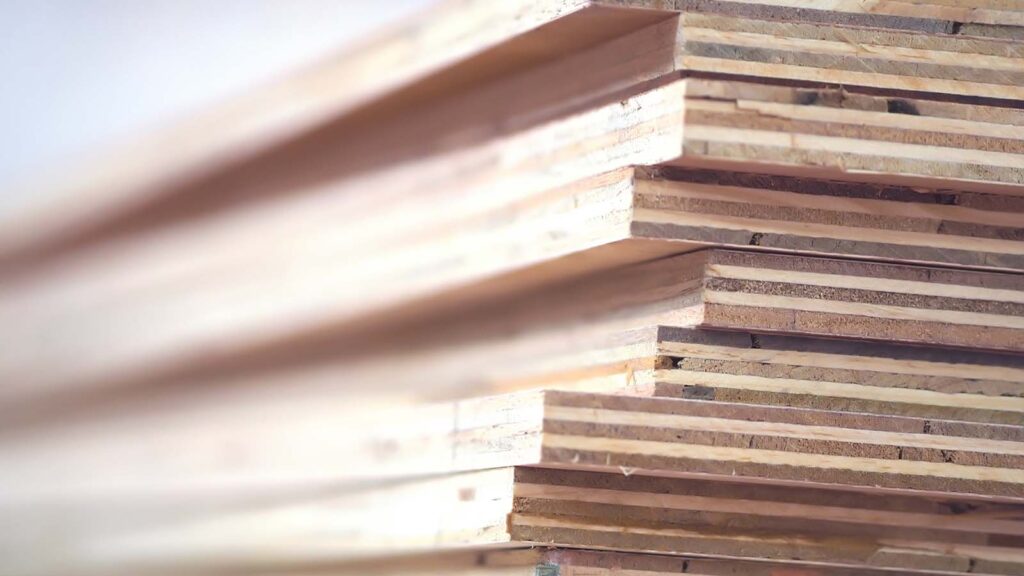
Painting on wood panels? Learn how plywood, MDO, and HDO boards serve as durable supports. This guide covers stability, surface prep, pros & cons, and best practices for oil, acrylic, and tempera.


Learn how egg tempera white pigments behave over time. Compare calcite, gypsum, and lead white for durability, handling, and long-term stability.
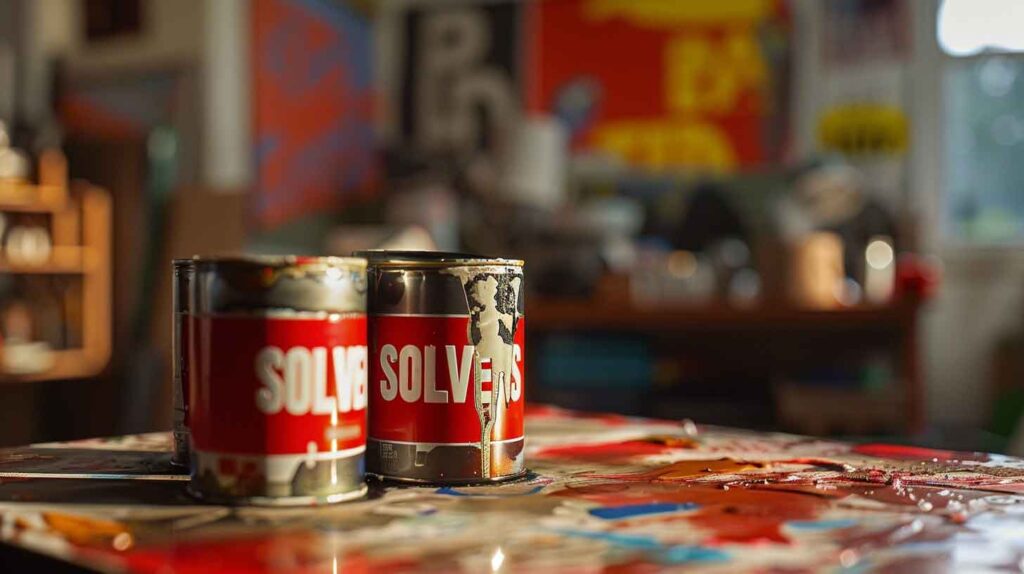
Learn key safety practices for using solvents in art. Our guide covers everything from safe handling to disposal to ensure artists can work without compromising their health or the environment. Understand the importance of flammability, health risks, and proper studio protocols.

Learn how canvas sizing affects canvas tension, cracking, and humidity response, and when to choose PVA or acrylic sizes for oil painting longevity.

Water gilding gesso and bole, decoded from Portuguese Baroque treatises and laboratory reconstruction. Practical guidance for artists who want recipes that work.
Please confirm you want to block this member.
You will no longer be able to:
Please note: This action will also remove this member from your connections and send a report to the site admin. Please allow a few minutes for this process to complete.
Responses