
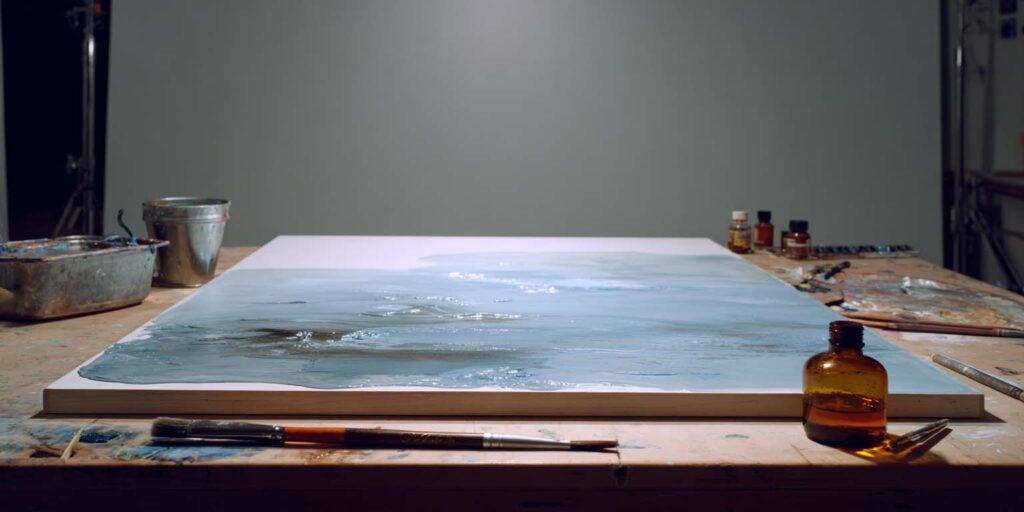
Solvents in Oil Painting: Insights for Contemporary Artists

Want to read the full article and unlock all resources? Choose an option below:
Already a member? Log in to continue Try 7 days free — $0Cancel anytime · 30-day money-back guarantee
Want to read the full article and unlock all resources? Choose an option below:
Already a member? Log in to continue Try 7 days free — $0

Professional varnish removal for oil and acrylic: brand-specific methods, safe testing, gels, solvents, and isolation coats for conservation-minded results.
Learn key safety practices for using solvents in art. Our guide covers everything from safe handling to disposal to ensure artists can work without compromising their health or the environment. Understand the importance of flammability, health risks, and proper studio protocols.

Learn how oil painting solvents affect underpainting, layers, and varnish—swelling, leaching, and chemistry—to choose safer techniques.
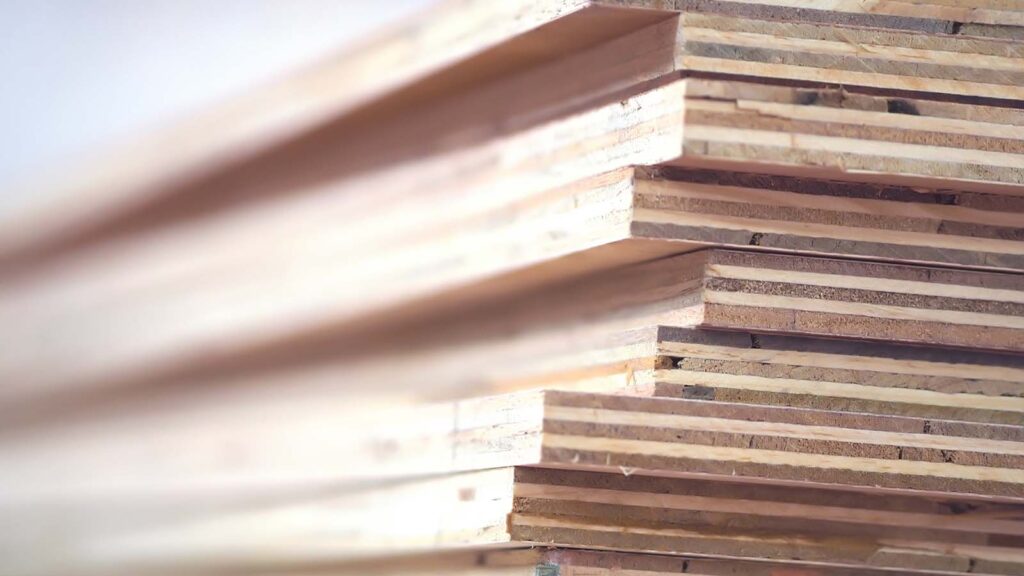
Painting on wood panels? Learn how plywood, MDO, and HDO boards serve as durable supports. This guide covers stability, surface prep, pros & cons, and best practices for oil, acrylic, and tempera.
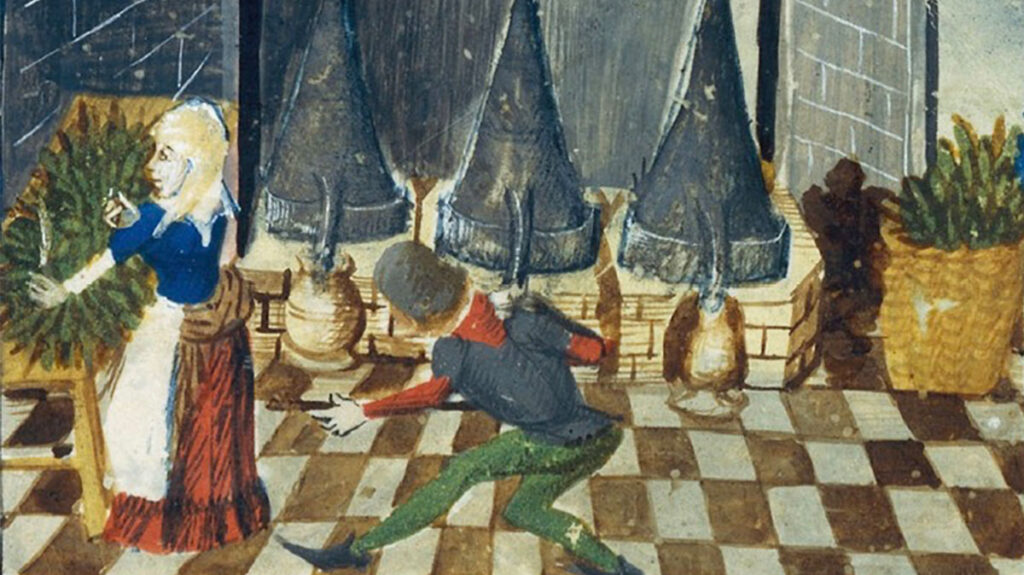
Explore the early use of turpentine in European painting. Discover its historical significance and impact on art conservation and modern practices.
Please confirm you want to block this member.
You will no longer be able to:
Please note: This action will also remove this member from your connections and send a report to the site admin. Please allow a few minutes for this process to complete.
I don’t understand a lot of this. Summary appears to suggest this is all about cleaning a painting but article says it’s about using during painting. I also want to understand what these researchers are suggesting be used instead. Walnut oil is fat as are many other mediums. We are told to avoid too much fat in early layers so what’s the recommendation?
The paper was about the use of solvents in cleaning and restoration. However, we can apply these principles to painting. which is the intent of Painting Best Practices — applying the latest scientific research about paintings to contemporary practice. It is easy to avoid “fat” in the early layers of a painting by avoiding adding medium to your paint. Paint from the tube is “lean,” because it has a pigment-to-binder ratio close to the critical pigment volume concentration (cPVC) of the pigment or pigment mixture. In the first layers of your painting, apply paint straight from the tube and apply it thinly — you’ll then have “lean” layers that dry quickly.
Not being a chemist, much of these terms were not as informative as I would like for my painting methods. I was taught to apply a thin underpainting or drawing of oil paint mixed with a very lean medium to the canvas first and to then gradually add more and more oil as I completed the painting. Using mineral spirits now, I find that my paint film does not dry as hard and can literally be erased with very little effort long after it was painted. I tried adding alkyd resin to my paint to create a stronger film. Is that the correct thing to do? Another question. Can I paint on a canvas I prepared five years ago? Should it be cleaned and how would I do that? Thank you!
While what you were taught is one method of painting, it is not the only method of starting an oil painting. As I replied to Vana, you can simply apply the paint, perhaps with a few drops of oil added, onto the ground very thinly. If you use lead white and other fast-drying pigments in this layer, it will dry quickly and form a hard film. The point of this article is to discourage the use of solvents, and if you decide to continue using solvents, use them minimally.
Hi George,
That was an interesting article on underpainting with turps washes. I used to use turps on initial layers but I don’t actually do this now, I only sparingly use linseed oil throughout my painting process. I usually paint in thin layers.
What I would like to know is how Gamblin’s wax medium affects an oil painting, when used on top as a varnish? I don’t like my paintings too shiny. Does the wax medium let the paint breathe or is it totally sealed? How long should I wait until I apply a wax medium varnish? Is there other better varnish products that I could use that would not give me too much sheen?
Have you ever come across a painting going darker in overall tone after a few months? This happened to one of my paintings and I wasn’t sure why?
Thanks for your information.
Cheers
Megan
I had hoped that alternatives to using solvents in painting would be addressed more, given their impact on the paint layer and the off-gassing of volatile chemicals. Or at least a reference to other articles that do address these concerns. I’m new to oil painting, but I’m trying to learn it without using solvents, or at least with minimal usage of them.