Here is a short list that will save you headaches in your oil painting practice.
Avoid using resins, waxes, and non-drying oils in paint (if used, use sparingly and in small passages of the painting).
Avoid the use of pigments that inhibit drying (carbon blacks).
Avoid medium-rich layers in the painting.
Avoid using materials in paint or while painting that may deposit on the paint surface and remain behind, e.g., non-evaporating solvents, surfactants, plasticizers, Windex, etc.
Apply paint with a sufficient amount of binder (oil) to envelope the solid particles in paint, e.g. pigments and extender pigments or fillers, to approximately achieve a critical pigment volume concentration (CPVC) and not in excess.
Use basic lead carbonate (lead white) as the overall white (and as a replacement for titanium dioxide or titanium white). Lead white provides oil paint with its greatest flexibility and resistance to relative humidity (RH) and water. Titanium white can be used in conjunction with lead white when greater opacity and brightness are needed.
Apply the paint in a direct, solid manner, which is always better than multiple layers of variable binder-to-pigment proportions (the essence of the fat-over-lean principle).
What is meant by “Apply the paint in a direct, solid manner, which is always better than multiple layers of variable binder-to-pigment proportions (the essence of the fat-over-lean principle)” is that applying one layer of paint (and a relatively thin layer is best) is better than applying multiple layers of paint. Direct, solid painting is essentially the alla prima method of painting (as opposed to indirect, transparent painting or glazing) so that the final appearance and color of the picture is achieved in one thin, opaque layer. Of course, this is not always possible, because the final effect desired may not be achievable with direct, solid painting. However, if one can achieve the desired effect, this method is preferable for the overall stability and longevity of the paint film.
Frequently Asked Questions (FAQ) about Oil Painting Practices
What are the three rules of oil painting?
Fat over Lean: Always apply thicker layers of paint over thinner ones to ensure proper drying and to prevent cracking.
Thick over Thin: Start with thin layers of paint and build up to thicker layers, which helps in creating depth and texture while maintaining the stability of the painting.
Slow Drying Times: Be patient with drying times between layers. Oil paint dries slowly, and waiting ensures that each layer adheres well without damaging earlier work.
How do you practice oil painting?
Practicing oil painting involves several steps to refine your technique and develop your skills:
Start Small: Begin with small projects to practice your strokes and color mixing.
Study Techniques: Learn from tutorials, books, or classes to understand different techniques and styles.
Regular Practice: Set a regular schedule to paint, as a consistent practice is key to improvement.
Experiment: Try different canvases, brushes, and paint types to see what works best for your style.
Seek Feedback: Share your work with others to get constructive feedback and learn from different perspectives.
These answers provide guidance for beginners and intermediate painters looking to improve their skills and understanding of oil painting.
What are the essential guidelines to improve the longevity and stability of oil paintings?
To enhance the stability and longevity of oil paintings, avoid using resins, waxes, and non-drying oils in large quantities, ensure proper binder application to reach a critical pigment volume concentration, and apply paint directly in solid, thin layers rather than multiple variable layers.
What are the primary rules of oil painting to ensure proper technique and long-lasting results?
The three primary rules of oil painting are ‘Fat over Lean’, which involves applying thicker layers over thinner ones; ‘Thick over Thin’, emphasizing building texture gradually; and patience with slow drying times between layers to allow proper adherence and moisture release.
Want to read the full article and unlock all resources? Choose an option below:
Learn how to apply the fat-over-lean rule in oil painting to ensure lasting, flexible layers. Understand its role in medium selection and paint layering.
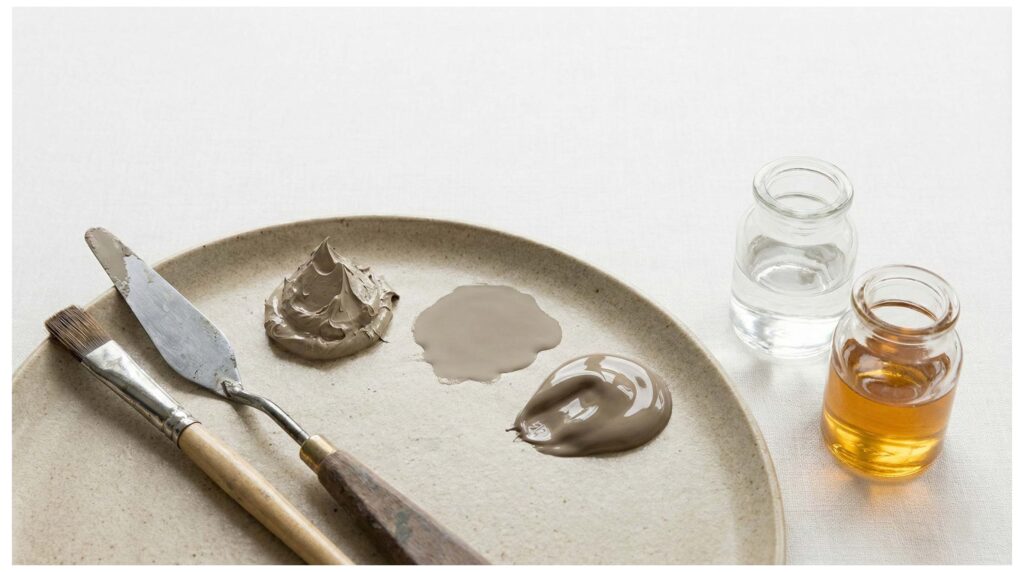
Fat over lean explained with PVC/CPVC. Learn how tube paint, solvents, and mediums change film strength, flexibility, and cracking risk in layered oil and alkyd painting.
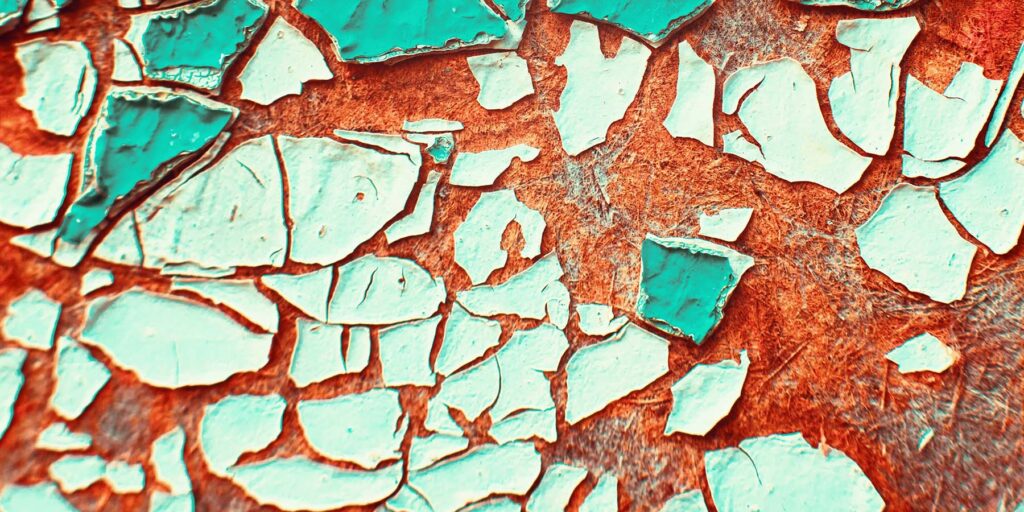
Oil paint additives explained—stearates, waxes, fillers, and humidity effects—with best practices to prevent water-sensitivity, soaps, dulling, and cracking.
Please note:
This action will also remove this member from your connections and send a report to the site admin.
Please allow a few minutes for this process to complete.
Report
You have already reported this .
Subscribe to Our Newsletter
To begin reading the content, join thousands of artists enjoying our articles. Subscribe to receive updates on artists materials and practices.
Responses