The Art of Imitation: Silver Leaf Gilding in Baroque Portugal
Silver leaf gilding often played an unassuming yet transformative role in Portuguese baroque art. Despite the dominance of gold as the symbol of divinity and wealth, artists in 17th and 18th century Portugal developed an ingenious alternative: gilding with silver leaf. This practice, detailed in a study by Tiago Dias and collaborators, sheds light on a sophisticated technique that fused economy with artistry. For artists exploring historical techniques or new avenues of expression, the study provides valuable insights into the materials and methods behind this remarkable craft.
Douradura: Silver Leaf Gilding for a Golden Effect
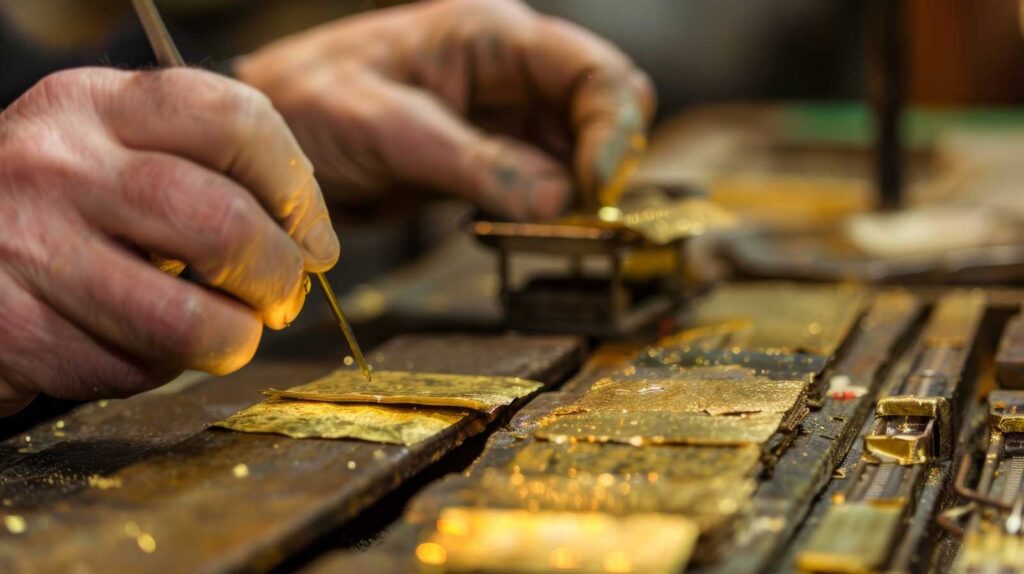
The technique of douradura involves applying a thin layer of silver leaf, followed by yellow-tinted glazes, to achieve the appearance of gold. This method was not only cost-effective—silver leaf was significantly cheaper than gold—but also visually striking. By carefully burnishing the silver and overlaying it with golden varnishes, artists could replicate the warm glow of true gilding.
A crucial aspect of this process was preparing the substrate. Artists applied a multi-layered base of gesso and bole—traditionally a clay-based adhesive—to ensure the leaf adhered smoothly. Interestingly, when the intent was to create a golden appearance, red or yellow bole was used instead of the white bole, which was preferred for pure silvering. This subtle adjustment enhanced the visual warmth of the finished piece, masking imperfections in the silver leaf.
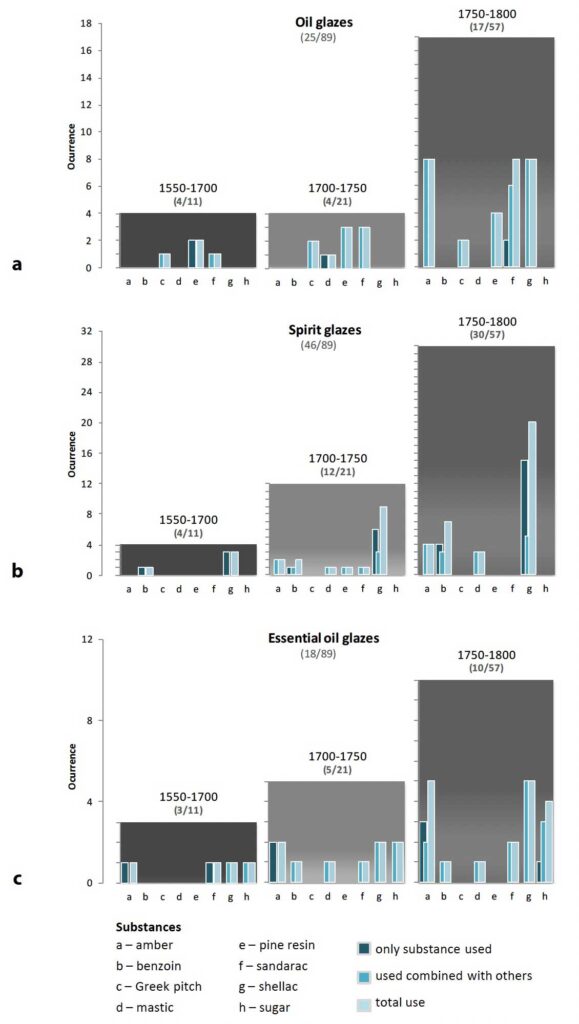
Occurrence of primary materials used in historical glazes, categorized by time period and type: a) oil-based glazes, b) spirit-based glazes, and c) essential oil glazes. Numbers in brackets represent the count of references for each glaze type relative to the total references in the specified time period.
Four Variations of Tin Coatings for Gold Hues
Historical sources describe multiple recipes for achieving golden finishes on metallic surfaces, with four main variations standing out:
Saffron and Orpiment in Resin: A mixture of linseed oil and resin, dyed with saffron and orpiment, provided a warm, golden hue.
Aloes and Sandarac: Often boiled with linseed oil, this combination created a rich, transparent glaze.
Blackthorn and Aloes Bark: Used to dye tin foils, this solution added depth and a golden luster.
Amber and Shellac Spirit Varnishes: Emerging in the 18th century, these spirit-based glazes were favored for their durability and vibrant finish.
These recipes not only highlight the creativity of historical gilders but also offer inspiration for contemporary artists seeking to experiment with traditional materials.
From Oil Glazes to Spirit Varnishes: A Technological Evolution
Oil glazes dominated early gilding practices due to their accessibility and simplicity. However, their gradual evolution into spirit varnishes marked a technological leap. Spirit-based formulations, which incorporated materials like shellac and amber, gained popularity for their quick drying times and resistance to environmental factors.
Want to read the full article and unlock all resources? Choose an option below:
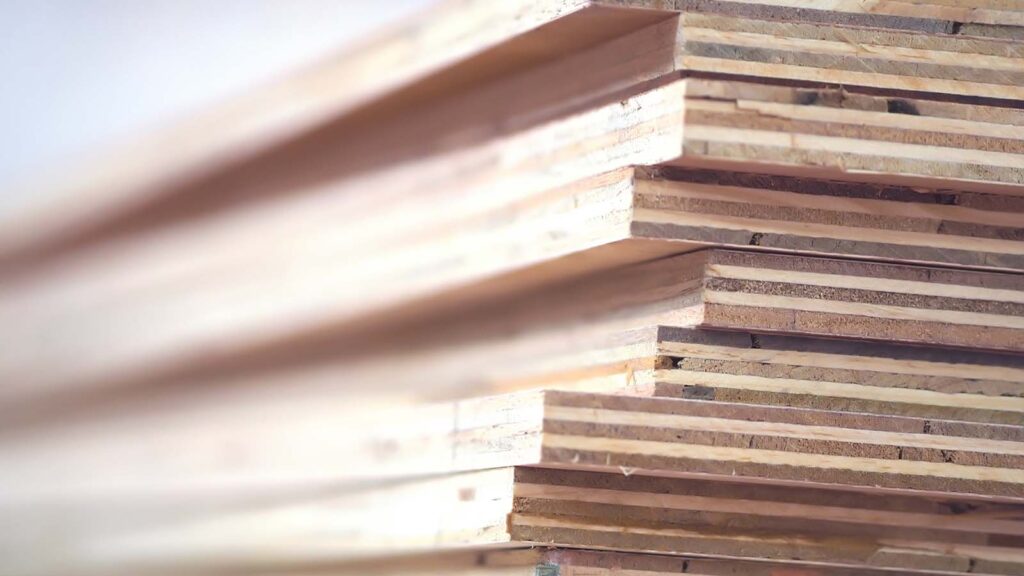
Painting on wood panels? Learn how plywood, MDO, and HDO boards serve as durable supports. This guide covers stability, surface prep, pros & cons, and best practices for oil, acrylic, and tempera.
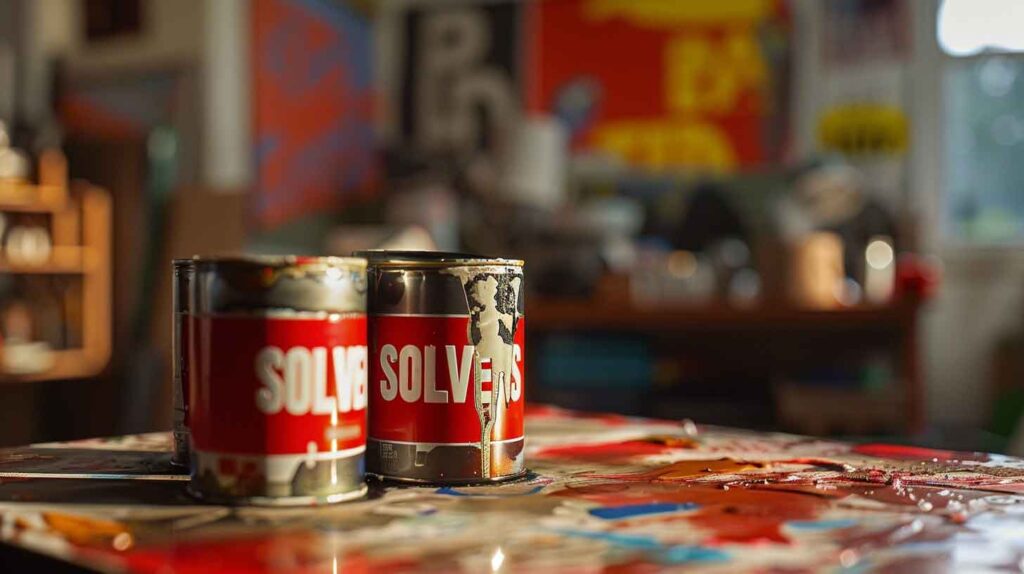
Learn key safety practices for using solvents in art. Our guide covers everything from safe handling to disposal to ensure artists can work without compromising their health or the environment. Understand the importance of flammability, health risks, and proper studio protocols.
Fascinating article George, thanks very much! I would love to experiment with toning silver leaf in various colors. Would you recommend using pigments (like the dry pigments I’ve bought from you guys) mixed with shellac? Or can you recommend something from Natural Pigments?
You can use shellac dissolved in alcohol tinted with pigment. I recommend selecting pigments with very fine particle sizes for best results.
Report
There was a problem reporting this post.
Block Member?
Please confirm you want to block this member.
You will no longer be able to:
See blocked member's posts
Mention this member in posts
Invite this member to groups
Message this member
Add this member as a connection
Please note:
This action will also remove this member from your connections and send a report to the site admin.
Please allow a few minutes for this process to complete.
Report
You have already reported this .
Subscribe to Our Newsletter
To begin reading the content, join thousands of artists enjoying our articles. Subscribe to receive updates on artists materials and practices.





Fascinating article George, thanks very much! I would love to experiment with toning silver leaf in various colors. Would you recommend using pigments (like the dry pigments I’ve bought from you guys) mixed with shellac? Or can you recommend something from Natural Pigments?
You can use shellac dissolved in alcohol tinted with pigment. I recommend selecting pigments with very fine particle sizes for best results.