
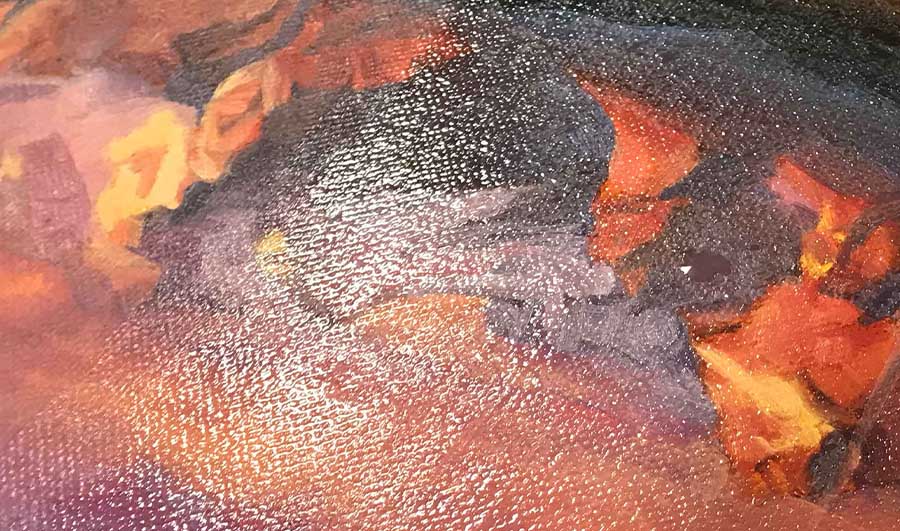
Irregular Paint Gloss: Solving Uneven Sheen in Artworks

Want to read the full article and unlock all resources? Choose an option below:
Already a member? Log in to continue Try 7 days free — $0Cancel anytime · 30-day money-back guarantee
Want to read the full article and unlock all resources? Choose an option below:
Already a member? Log in to continue Try 7 days free — $0
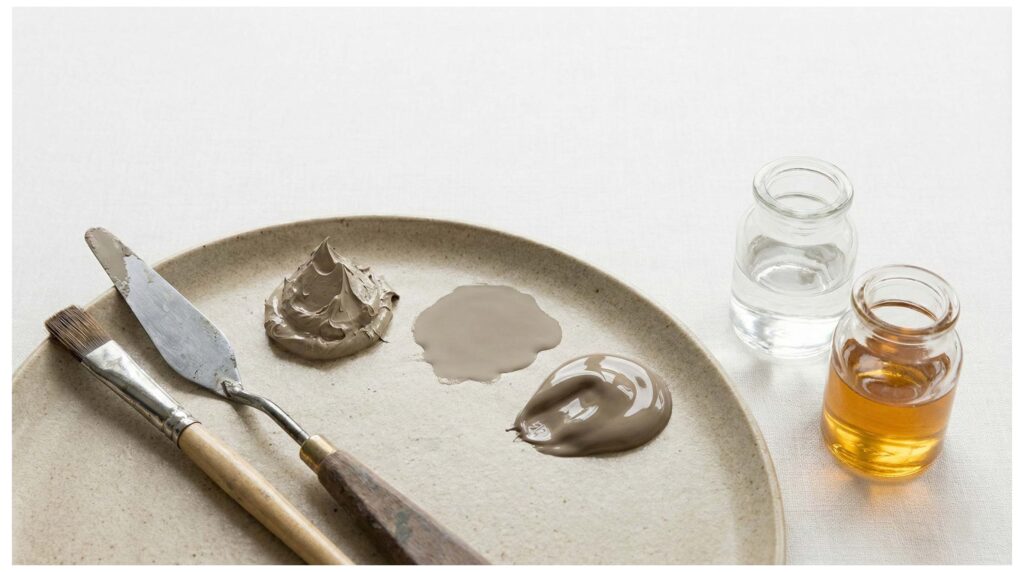
Fat over lean explained with PVC/CPVC. Learn how tube paint, solvents, and mediums change film strength, flexibility, and cracking risk in layered oil and alkyd painting.
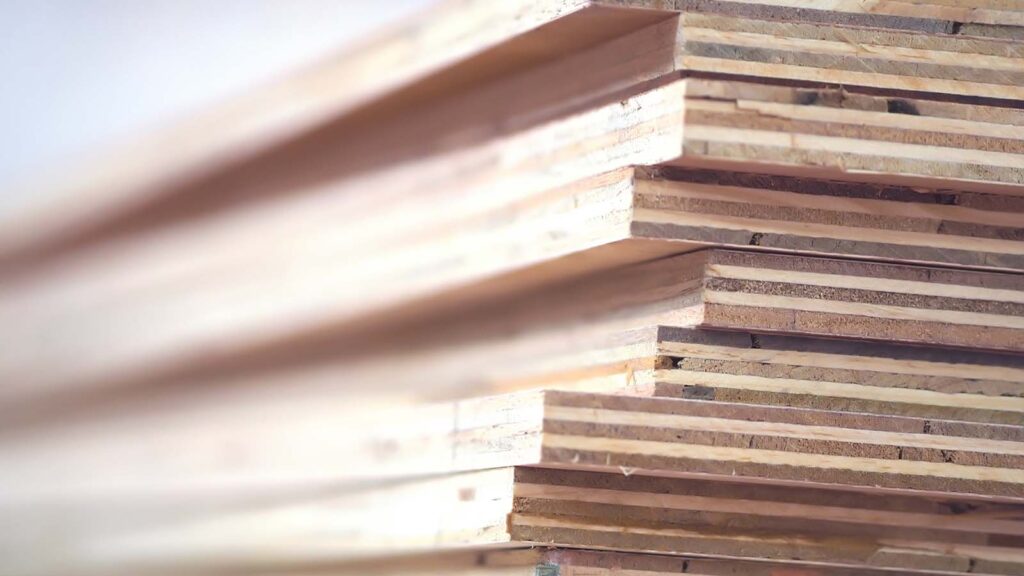
Painting on wood panels? Learn how plywood, MDO, and HDO boards serve as durable supports. This guide covers stability, surface prep, pros & cons, and best practices for oil, acrylic, and tempera.
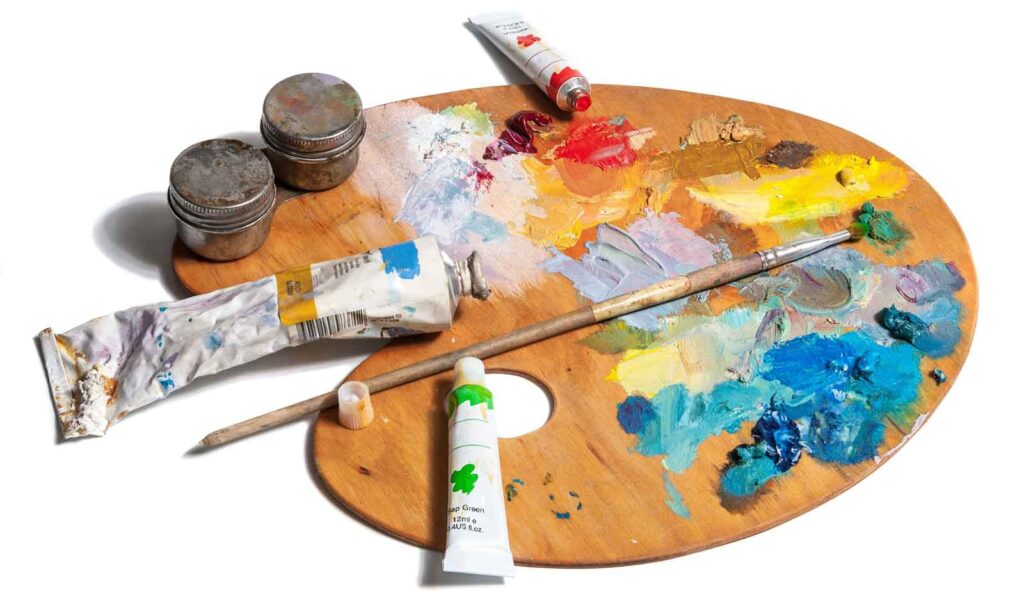
Learn how to apply the fat-over-lean rule in oil painting to ensure lasting, flexible layers. Understand its role in medium selection and paint layering.
Let’s toss out the concepts of “fat over lean” and for that matter “thick over thin” (or the confused “thick over lean”) while we are at it, and let’s consider the physical structure of the paint.
Learn how pigment binder ratios affect the durability, drying, and aging of oil painting. Get expert tips for better painting results.
Please confirm you want to block this member.
You will no longer be able to:
Please note: This action will also remove this member from your connections and send a report to the site admin. Please allow a few minutes for this process to complete.
Some brands of oil ground I’ve used recommend mixing in a small amount of solvent (10-20%) into the ground if more flow is desired for coating the surface. Could this 10-20% of solvent in the ground itself also cause sinking in? Or is this only an issue with paint layers containing solvent?
Paste grounds typically need to be applied with a solvent, so this is not the reason for sinking in described in the course. The issue is with absorbent grounds and using a solvent in paint layers.