
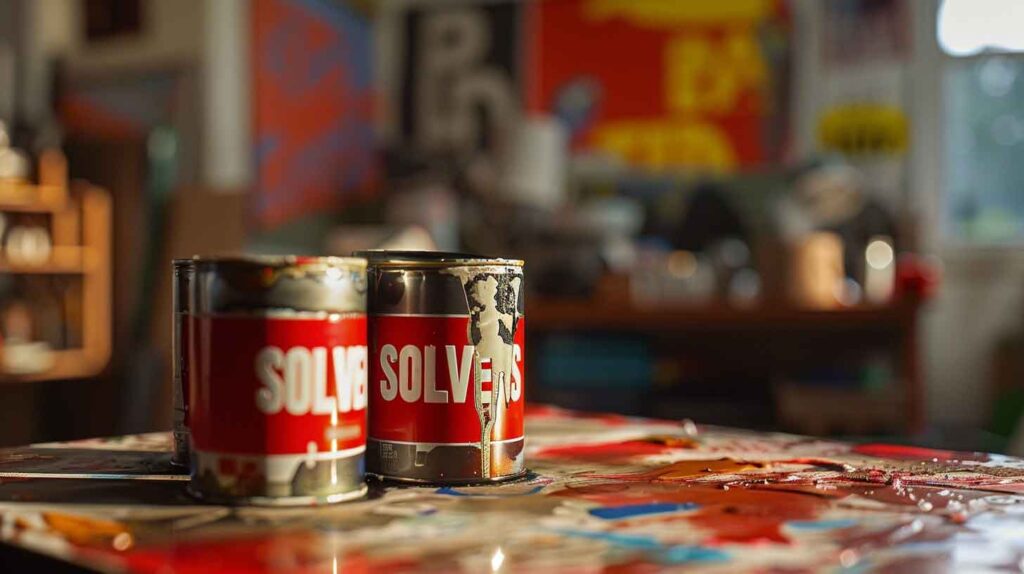
Artist Solvents Safety: Essential Practices for Studio Use

Want to read the full article and unlock all resources? Choose an option below:
Already a member? Log in to continue Try 7 days free — $0Cancel anytime · 30-day money-back guarantee
Want to read the full article and unlock all resources? Choose an option below:
Already a member? Log in to continue Try 7 days free — $0
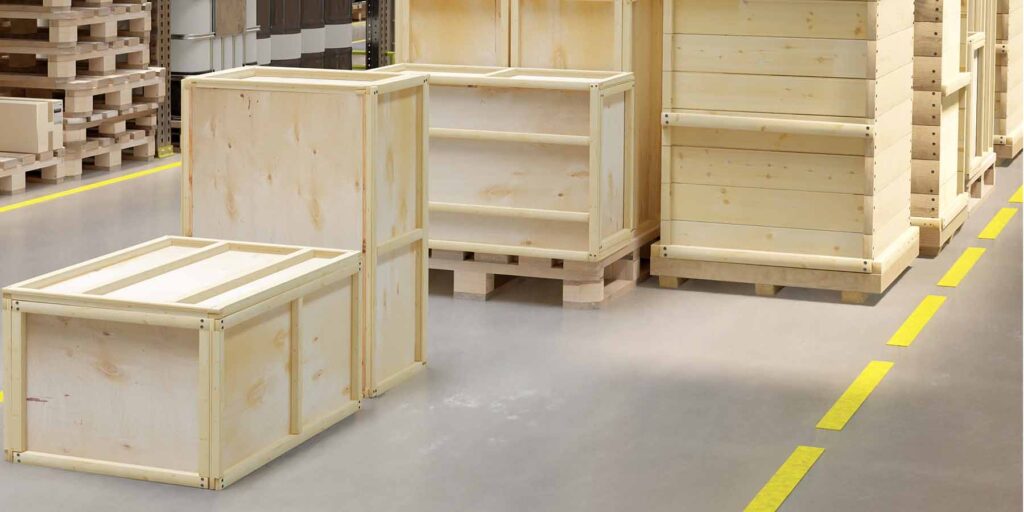
Ship a painting safely with museum-grade packing steps to reduce shock, vibration, and climate damage—crates, face protection, and handling checks
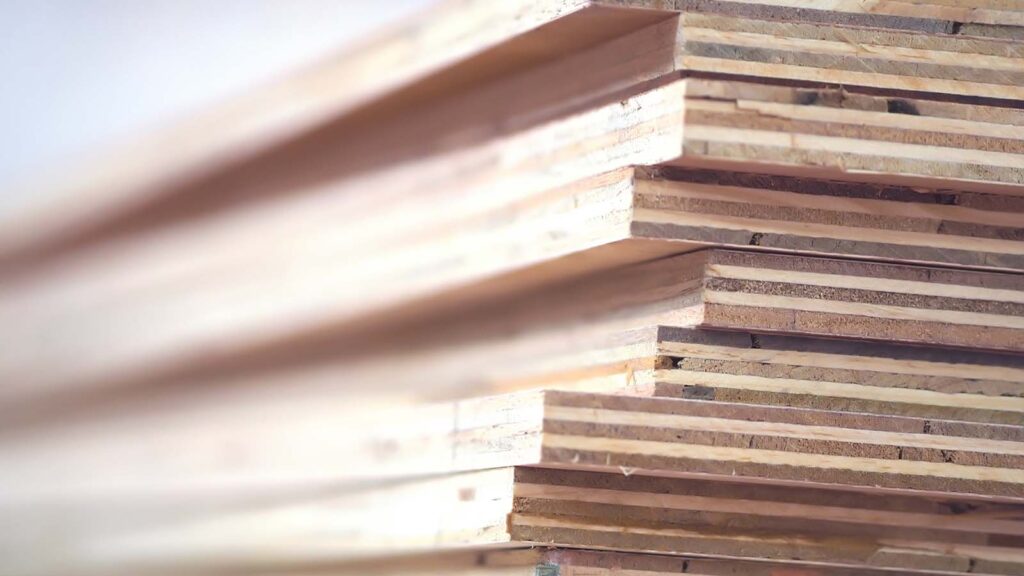
Painting on wood panels? Learn how plywood, MDO, and HDO boards serve as durable supports. This guide covers stability, surface prep, pros & cons, and best practices for oil, acrylic, and tempera.
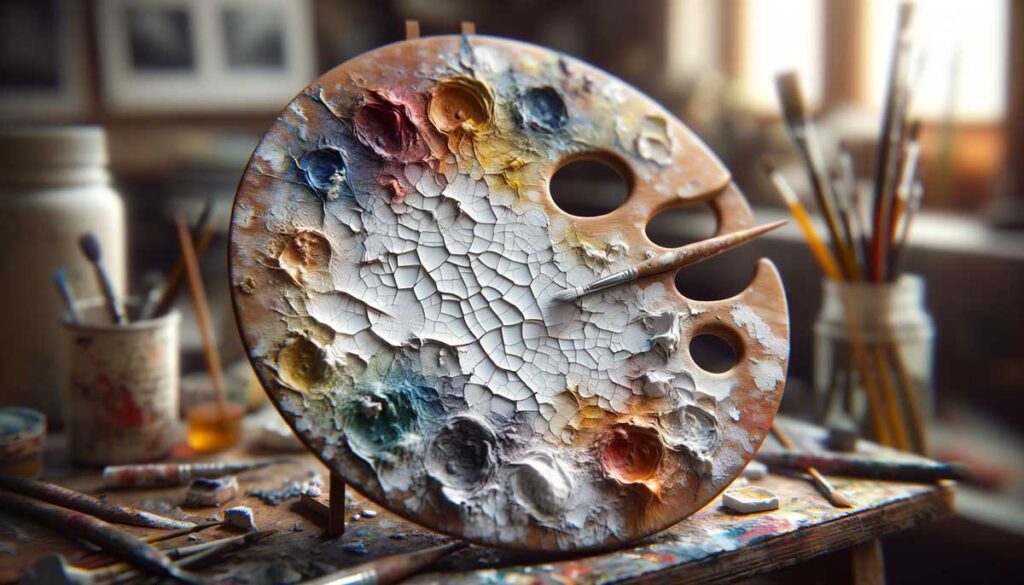
Explore the process of paint film formation. This article demystifies the science behind the drying and film formation of artists’ acrylic and oil paints, offering insights into materials, techniques, and best practices for creating enduring artworks.

Explore the risks of combining wax with oil paint in the cold wax technique. Learn how to ensure long-term durability with expert advice on materials and techniques.

Explore how essential oils like lavender, clove, and thyme improve oil painting drying times and color retention. Learn practical applications for artists.
Please confirm you want to block this member.
You will no longer be able to:
Please note: This action will also remove this member from your connections and send a report to the site admin. Please allow a few minutes for this process to complete.
Thank you, this is wonderful information.
A question about oil paint disposal; I mark an effort to use paints without metals and solvents. I toss my paint residuals in the normal trash. Is that’s ok with the paints I use. I mainly use Michael Harding brand and only pigments with a safety rating ‘A’ from artiscreation.com