For centuries, linseed oil has been a staple in artists’ studios worldwide. Known for its excellent binding properties, linseed oil allows for vibrant color application and versatility in oil painting. However, the longevity and preservation of artworks can depend significantly on how linseed oil is processed before use. A recent study, “New Insights into the Ageing of Linseed Oil Paint Binder,” by Bonaduce et al., explores the effects of different pre-treatments on linseed oil, providing valuable information for artists looking to optimize their painting techniques and materials.
How Linseed Oil is Processed: Methods and Their Impacts
The study examines linseed oil processed through several traditional methods: water washing, heat treatments, and adding metallic driers. Each of these processes alters the chemical composition of the oil, impacting its behavior as a paint binder.
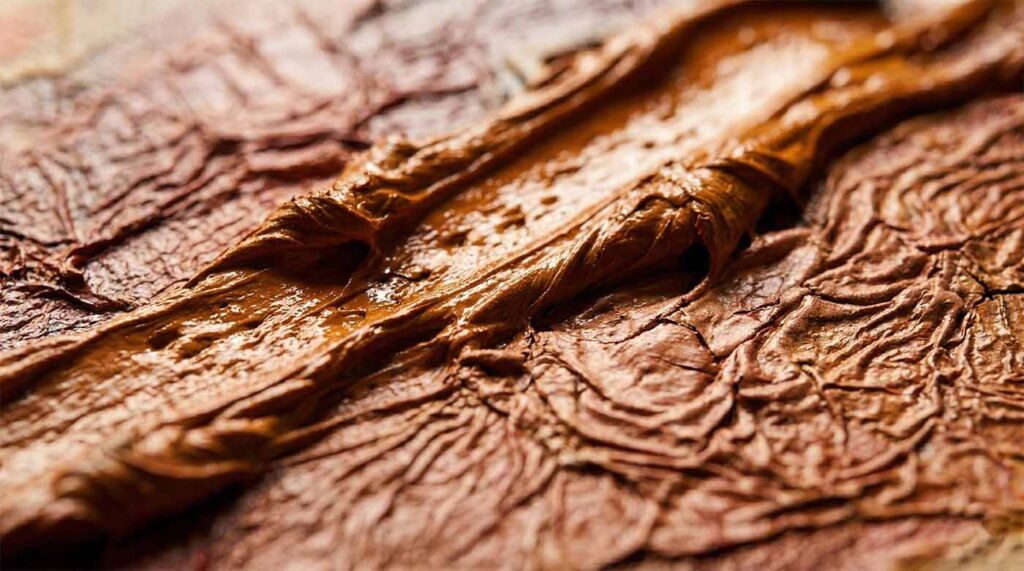
- Water-Washing (Historical Method): This process involves cleaning the linseed oil with water to remove some impurities and free fatty acids. Water washing, as performed in the study, utilized raw linseed oil, typical of 19th-century practices. The goal was to produce a clearer oil with stable drying properties and reduced yellowing over time. However, it’s important to note that this historical method is much less thorough than modern refining processes.
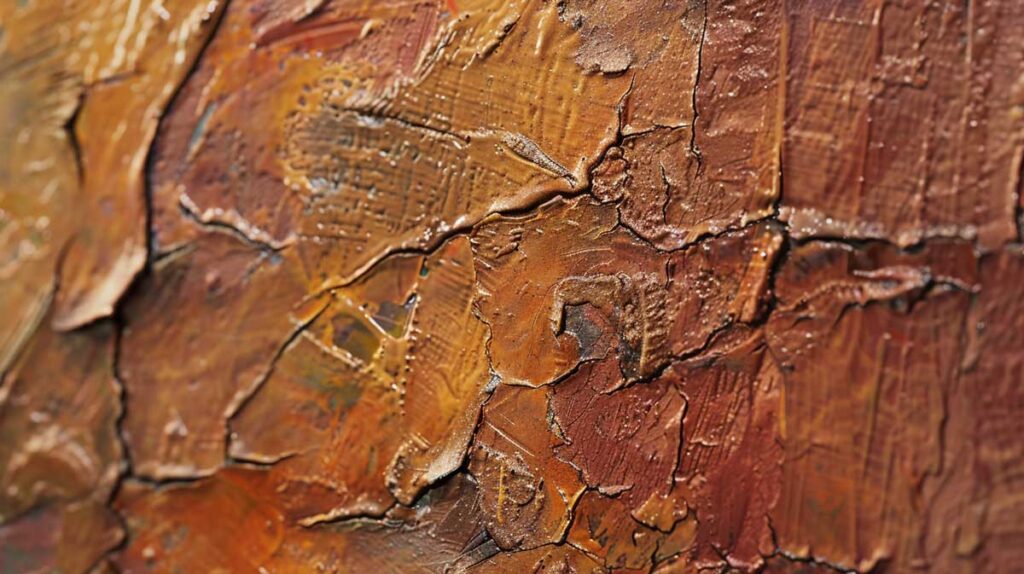
- Heat Treatment: Linseed oil can be heat-treated at different temperatures (e.g., 150°C and 300°C). This process promotes polymerization, resulting in a thicker, faster-drying oil with reduced susceptibility to yellowing. However, according to the study, heat treatment can make the paint film more brittle, potentially leading to cracks over time.
- Addition of Driers: Historically, driers such as lead oxide were added to linseed oil to accelerate drying. The study found that these oils dry quickly and are beneficial for artists needing fast-drying paints. However, the presence of metallic driers can increase the likelihood of forming metal soaps, which contributes to the long-term degradation of the paint film.
Modern Refining Techniques for Linseed Oil
Unlike the historical methods discussed in the study, modern linseed oil refining involves several steps beyond water washing to ensure a more stable and purified product. Industrial linseed oils today are often refined through processes such as:
- Degumming: This step removes phospholipids and mucilage, which are not eliminated by simple water washing.
- Neutralization: An alkali treatment that effectively removes free fatty acids, resulting in an oil that is less reactive with pigments and other components.
- Bleaching: This process removes colored impurities, enhancing the oil’s clarity and reducing potential color shifts in the paint.
- Deodorization: A vacuum steam distillation process that removes volatile components, including those that could affect the drying and aging of the paint.
These modern refining processes remove more impurities and free fatty acids than water washing, leading to a linseed oil that is less reactive and more stable over time. Therefore, for artists looking to preserve the integrity and longevity of their paintings, using modern refined linseed oil is recommended over traditionally processed oils.
Performance of Lead White and Vine Black in Different Linseed Oils
The study by Bonaduce et al. also explored how these processing methods affected the performance of two specific pigments: lead white and vine black. Each pigment reacted differently depending on the type of linseed oil used.
- Lead White in Various Linseed Oils:
- Water-Washed Oil: Lead white mixed with water-washed linseed oil exhibited stable aging characteristics with minimal yellowing. Removing free fatty acids through water washing reduced the formation of metal soaps, which are typically responsible for deterioration. Please note that modern refinement of linseed oil removes more fatty acids and other constituents that cause yellowing.
- Heat-Treated Oil: Lead white paint made with heat-treated linseed oil demonstrated increased brittleness but also showed reduced yellowing. The heat treatment minimized the presence of reactive compounds that could interact negatively with lead white.
- Drier-Enhanced Oil: Lead white combined with drier-enhanced linseed oil dried very quickly. However, the presence of lead oxide driers increased the formation of metal soaps, which can cause the paint to become more brittle and prone to cracking over time.
- Vine Black in Various Linseed Oils:
- Water-Washed Oil: Vine black mixed with water-washed linseed oil had a more neutral effect. The inert nature of vine black meant that the pigment itself did not significantly react with the oil, maintaining a stable paint film over time.
- Heat-Treated Oil: When combined with heat-treated oil, vine black showed signs of increased oxidation and cross-linking within the paint layer. The heat treatment created a more complex molecular structure, affecting the pigment’s stability.
- Drier-Enhanced Oil: Vine black in drier-enhanced oil dried rapidly but showed a higher tendency for the oil to undergo oxidation, which could lead to a more brittle and unstable paint film. Unlike lead white, vine black did not form metal soaps, but the accelerated drying process still contributed to long-term instability.
The Impact of Oil Pre-Treatment on Paint Aging
The study by Bonaduce et al. investigates linseed oil extracted and processed using several methods common in the 19th century, such as water washing, heat treatments, and the addition of driers like lead oxide. The goal was to understand how these pre-treatments affect the long-term stability and aging of oil paints. The researchers discovered that the type of pre-treatment can significantly influence the chemical stability of the oil binder over time, altering the paint’s physical properties and its interactions with pigments.




Hi George,
Thanks for sharing the article, so it means vacuum heated so called linseed stand oil is now discovered to become more brittle?
The findings from the research are for heat-bodied linseed oil that is processed in the same manner as it was in the 19th century. It is unclear whether or not this applies to linseed oil processed according to modern methods, such as in a vacuum or inert atmosphere.
Hi George, then what is your advice? should we be concerned enough to avoid using stand oil? as the purpose of using stand oil was believed it forms more durable film, if used on top layer will resist cracking. i am very scared now.
At this time, do not become alarmed. Use different oils in moderation.
Hi George,
So does the bodies oil you used in your Velazquez medium is vacuum heated stand oil or heat in atmosphere like this article talking about?