Understanding the impact of paint driers on the curing of alkyd and oil paint films is essential for artists aiming to achieve the best results in their work. This article explores the findings from various studies on the effects of paint driers, focusing on how they influence the physical and chemical properties of paint films. By mastering the use of paint driers, artists can ensure that their paintings not only look good but also stand the test of time.
What Are Paint Driers and Why Are They Important?
Paint driers are compounds added to oil and alkyd paints to accelerate the drying process. They work by catalyzing the oxidation of the paint binder, typically a drying oil or alkyd resin, allowing the paint film to form and harden more quickly. Without paint driers, the drying process could take significantly longer, leading to issues like dust settling on the surface or uneven drying that can detract from the final appearance of the artwork.
Primary Driers
Secondary Driers
Auxiliary Driers
Cobalt
Lead
Calcium
Manganese
Zirconium
Zinc
Iron
Bismuth
Lithium
Cerium
Barium
Potassium
Vanadium
Aluminum
Strontium
The metals that are used in oil and alkyd paint formulations in each drier category.
Types of Paint Driers and Their Effects on Paint Films
Different paint driers have distinct effects on the properties of paint films, particularly in terms of adhesion, flexibility, hardness, and chemical resistance. Understanding these effects is crucial for selecting the right paint driers for your specific needs.
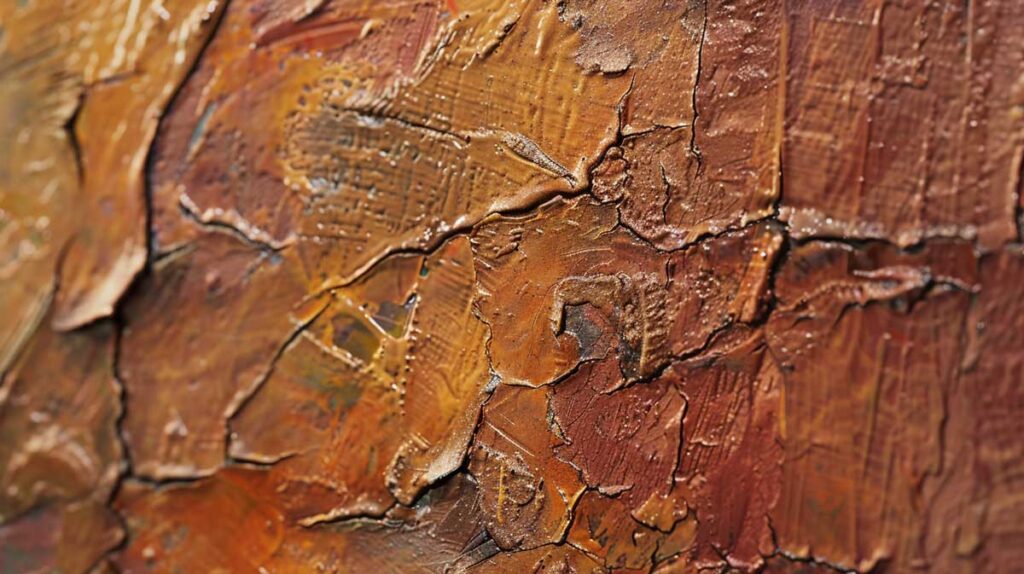
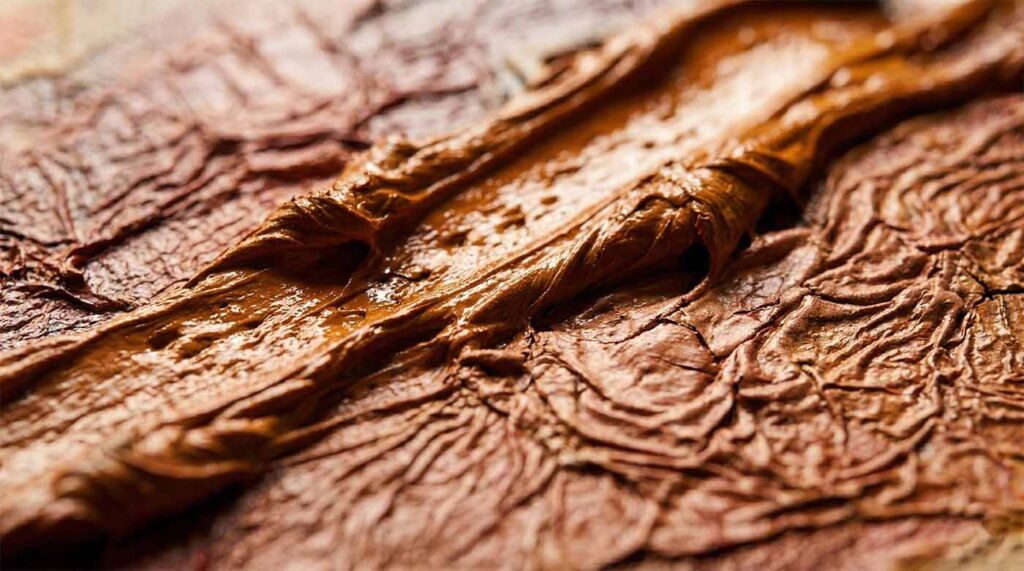
Cobalt Paint Driers: Cobalt is one of the most commonly used paint driers because of its effectiveness in promoting rapid surface drying. However, cobalt paint driers are known to cause wrinkling in the paint film, particularly under conditions of high humidity. This wrinkling can affect the visual quality of the painting, making cobalt driers less suitable for artists seeking a smooth finish.
Manganese Paint Driers: Manganese paint driers initiate the drying process more slowly than cobalt but tend to produce smoother films with fewer wrinkles. When used in combination with cobalt, manganese paint driers can help reduce wrinkling, though they may still contribute to skinning—a phenomenon where a thick, dry layer forms on the paint surface.
Lead and Zirconium Paint Driers: Lead, often combined with zirconium, is a powerful paint drier that enhances the hardness and chemical resistance of the paint film. These paint driers are particularly effective in high-humidity environments, where they are less sensitive to moisture than other options. However, due to health and environmental concerns associated with lead, the use of these paint driers is becoming less common. Zirconium is most often used in conjunction with cobalt paint driers and assists cobalt driers in drying through the entire paint film.
Calcium Paint Driers: Calcium is typically used as an auxiliary paint drier, supporting the action of primary driers like cobalt or manganese. While calcium paint driers do not significantly reduce drying time on their own, they can enhance the overall durability and flexibility of the paint film when used in combination with other driers.
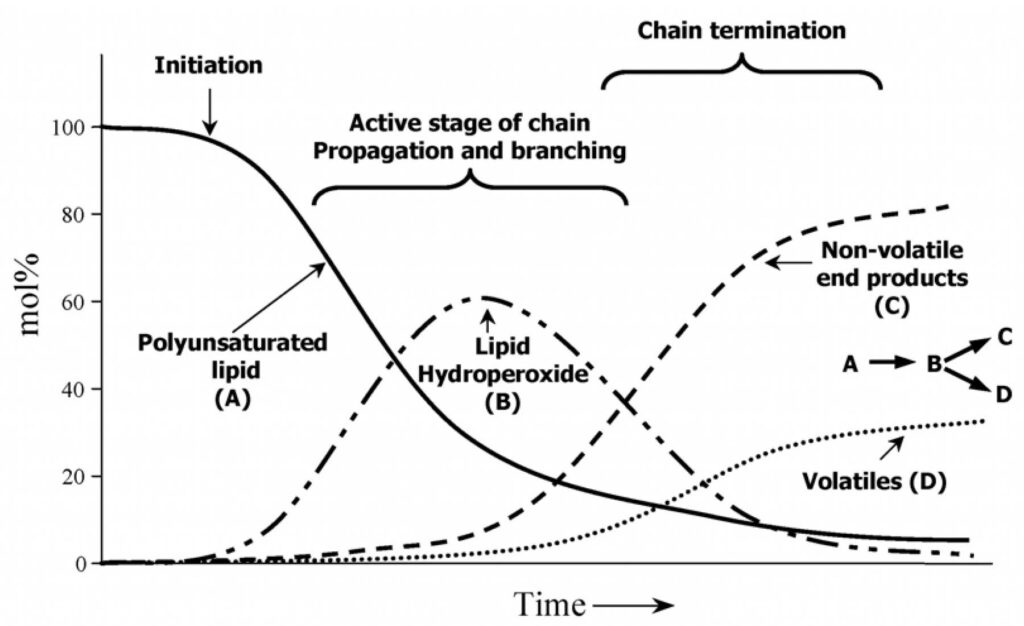
The timeline of fatty acid (lipid) autoxidation.
The Science Behind Paint Driers and Film Formation
The drying process of alkyd and oil paints involves several stages, each influenced by the type and combination of paint driers used. Initially, the solvent in the paint evaporates, leading to the formation of a closed film. This is followed by oxidative drying, where the unsaturated fatty acids in the binder react with oxygen to form a cross-linked polymer network that hardens the paint.
The choice of paint driers can significantly affect this process. For instance, cobalt-based paint driers accelerate the oxidation of linseed oil, leading to faster film formation but also increasing the risk of defects like wrinkling. In contrast, manganese and zirconium paint driers promote a more controlled drying process, which can help prevent these issues but may result in a longer drying time.
Best Practices for Using Paint Driers
To achieve optimal results, artists should consider the following best practices when using paint driers:
Want to read the full article and unlock all resources? Choose an option below:
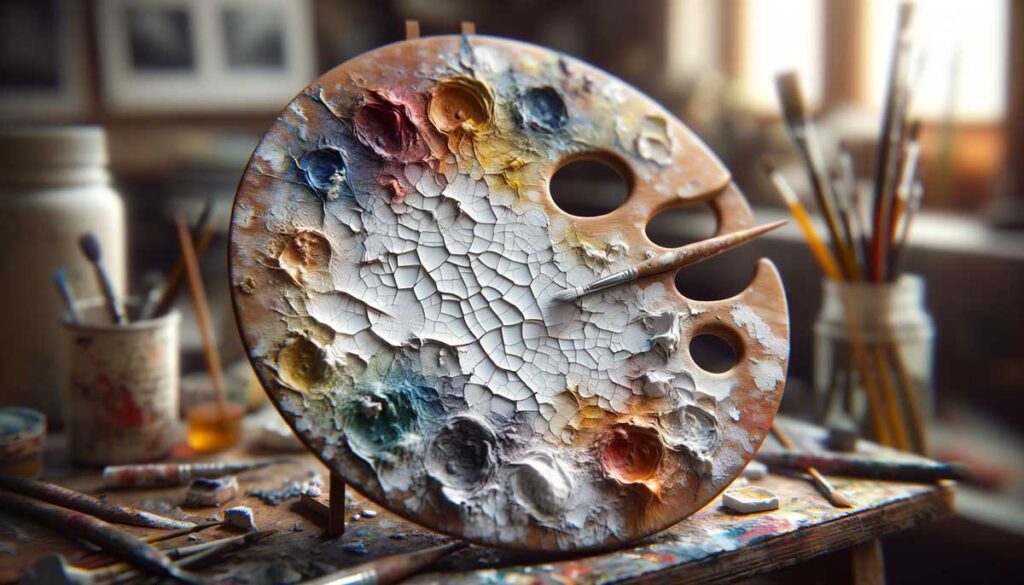
Explore how oil paint driers speed up drying times, the types available, and their long-term effects on paint durability. Learn to choose the best driers for your artwork.
Painting on wood panels? Learn how plywood, MDO, and HDO boards serve as durable supports. This guide covers stability, surface prep, pros & cons, and best practices for oil, acrylic, and tempera.
Explore the process of paint film formation. This article demystifies the science behind the drying and film formation of artists’ acrylic and oil paints, offering insights into materials, techniques, and best practices for creating enduring artworks.
Explore how essential oils like lavender, clove, and thyme improve oil painting drying times and color retention. Learn practical applications for artists.
Please note:
This action will also remove this member from your connections and send a report to the site admin.
Please allow a few minutes for this process to complete.
Report
You have already reported this .
Subscribe to Our Newsletter
To begin reading the content, join thousands of artists enjoying our articles. Subscribe to receive updates on artists materials and practices.


Responses