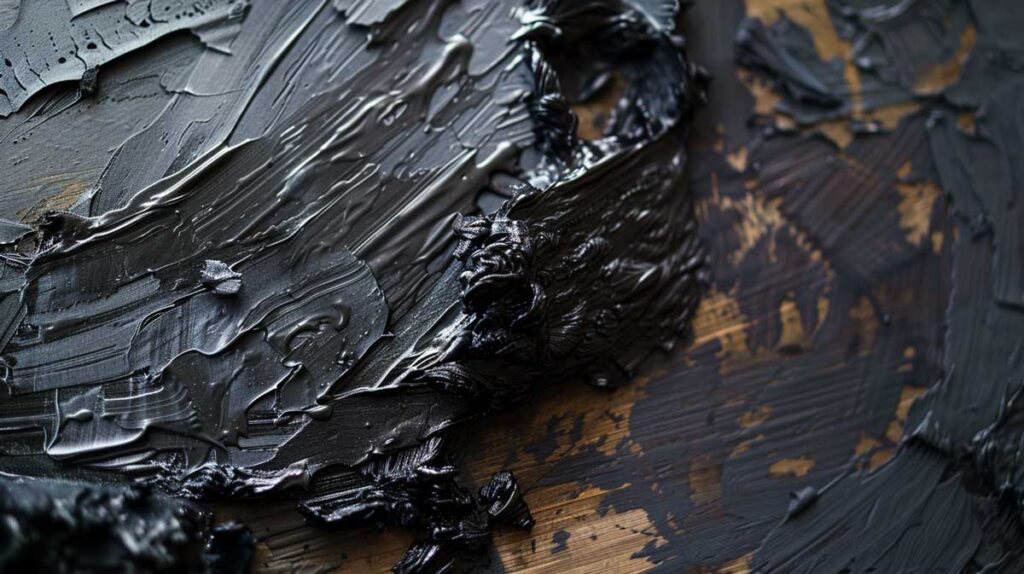
Eric Johnson shows us how to make darker black oil colors in his video. Watch now.
@ericjohnsonartist Examples of a polymerized linseed oil would be vacuum bodied linseed oil, commonly marred by the false name “stand oil” even though the “stand oil” that the old masters used was inferior due to partial oxidation. Modern stand oils (vacuum bodied linseed oils) are heated in the complete absence of oxygen. The longer chain polymerization process leads to a lower acid oil with in turn means that they dry very slowly. If used it is important to use it sparingly, otherwise you risk slowing down the paint drying time to an excessively slow rate. If used in excess quantities combined with thick layers of paint you could expect the negative phenomenon of your paint “wrinkling” . The epoxide oil from @natural.pigments is a dicyclopentadiene copolymer linseed oil. It is a reinforced oil that is excellent in paints. Use it in place of natural and synthetic resinous mediums to modestly speed up drying and improve film formation. Both are must haves for painters in my opinion! #howtopaint#paintingtutorial#oilpainting♬ golden hour – piano version – main character melodies
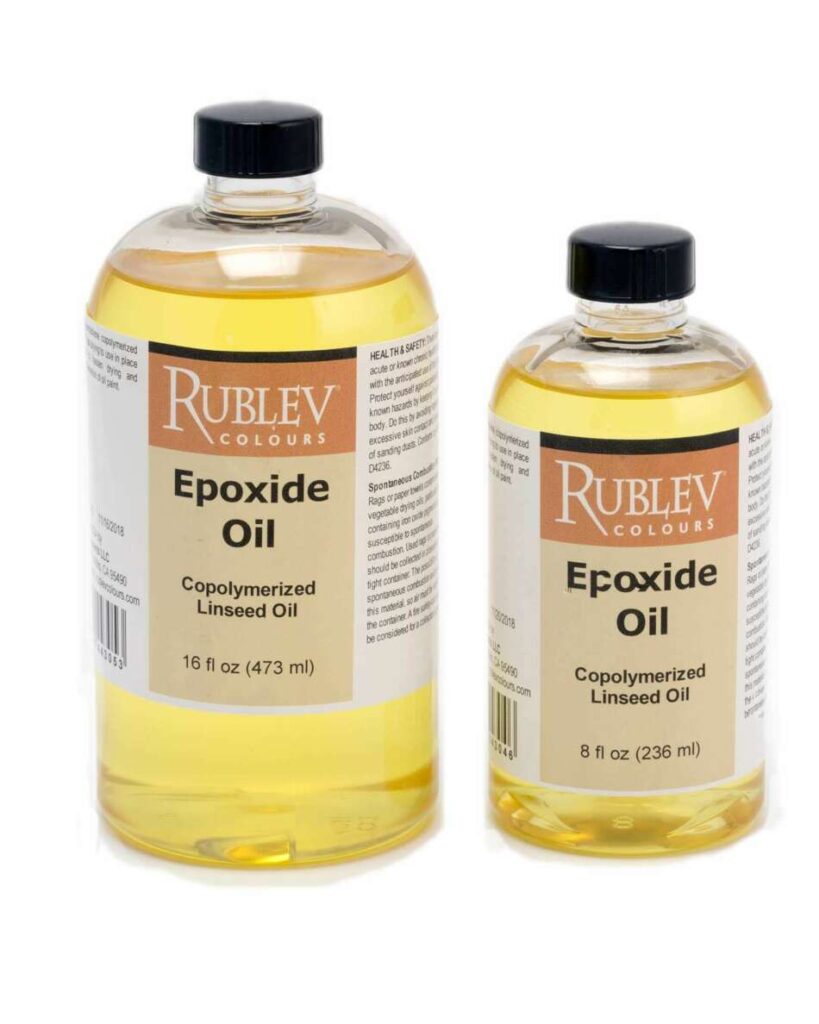
An example of a polymerized linseed oil is vacuum-bodied linseed oil, commonly marred by the anachronistic name “stand oil,” even though the “stand oil” that the old masters used was inferior due to partial oxidation. Modern stand oils (vacuum-bodied linseed oils) are heated in the complete absence of oxygen. The longer chain polymerization process leads to a lower acid oil, which in turn means that they dry very slowly. If used, it is important to use it sparingly; otherwise, you risk slowing down the paint drying time to an excessively slow rate. If used in excess quantities combined with thick layers of paint, you could expect the negative phenomenon of your paint “wrinkling”. Epoxide oil from Natural Pigments is a dicyclopentadiene copolymer linseed oil. It is a reinforced oil that is excellent for painting. Use it in place of natural and synthetic resinous mediums to modestly speed up drying and improve film formation. Both are must-haves for painters, in my opinion!
Epoxide Oil is a dicyclopentadiene copolymer of linseed oil. It is a reinforced oil that is excellent for oil painting. Use it in place of natural and synthetic resinous mediums to speed up drying and improve film forming.
Here is vacuum-bound linseed oil with a low acid value and a light color. This stand oil gives a gloss, better-brushing ability, and non-yellowing characteristics compared to other bodied or “stand” oils.
Want to read the full article and unlock all resources? Choose an option below:
Explore how oil paint driers speed up drying times, the types available, and their long-term effects on paint durability. Learn to choose the best driers for your artwork.
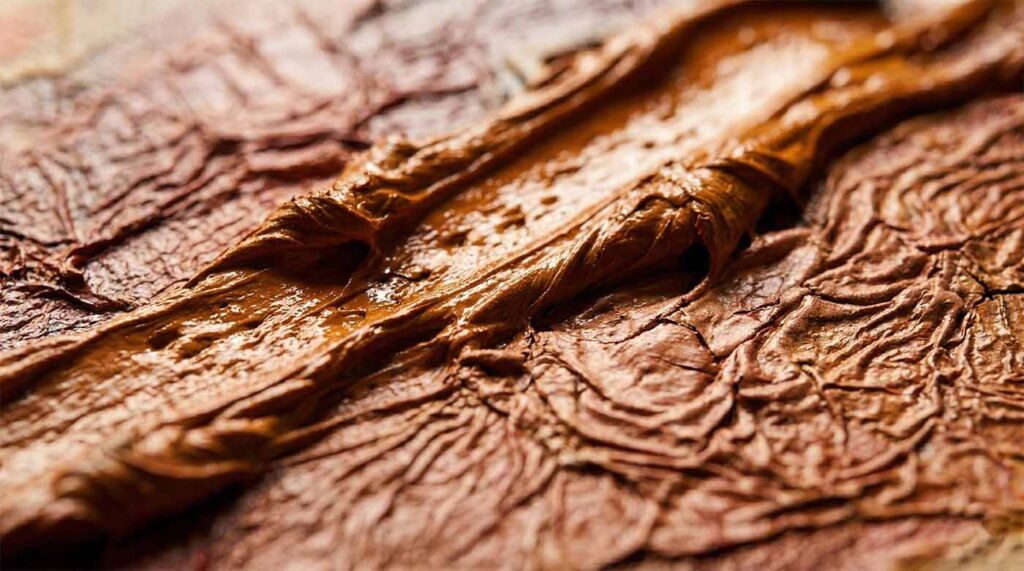
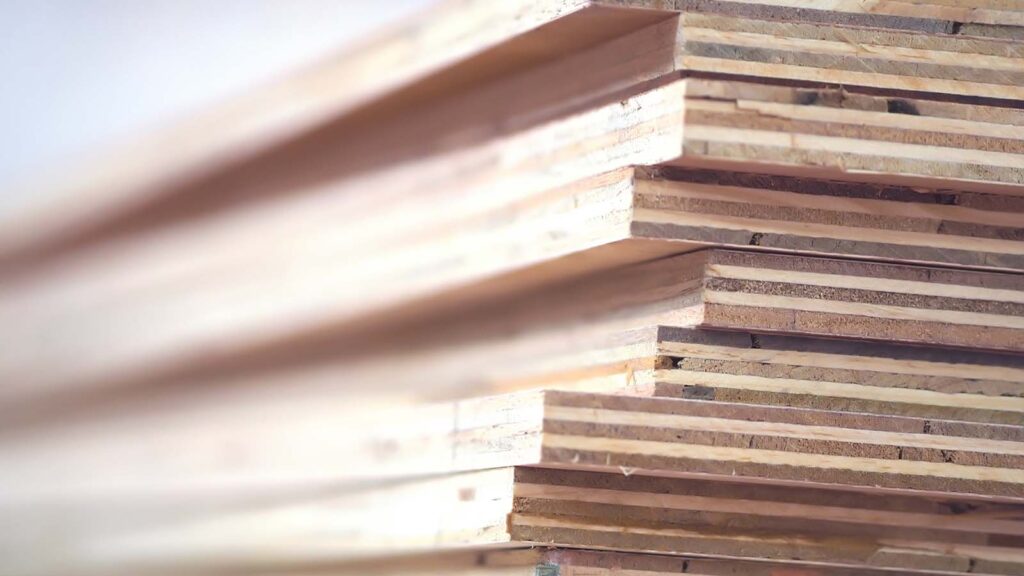
Painting on wood panels? Learn how plywood, MDO, and HDO boards serve as durable supports. This guide covers stability, surface prep, pros & cons, and best practices for oil, acrylic, and tempera.
Please note:
This action will also remove this member from your connections and send a report to the site admin.
Please allow a few minutes for this process to complete.
Report
You have already reported this .
Subscribe to Our Newsletter
To begin reading the content, join thousands of artists enjoying our articles. Subscribe to receive updates on artists materials and practices.
Responses