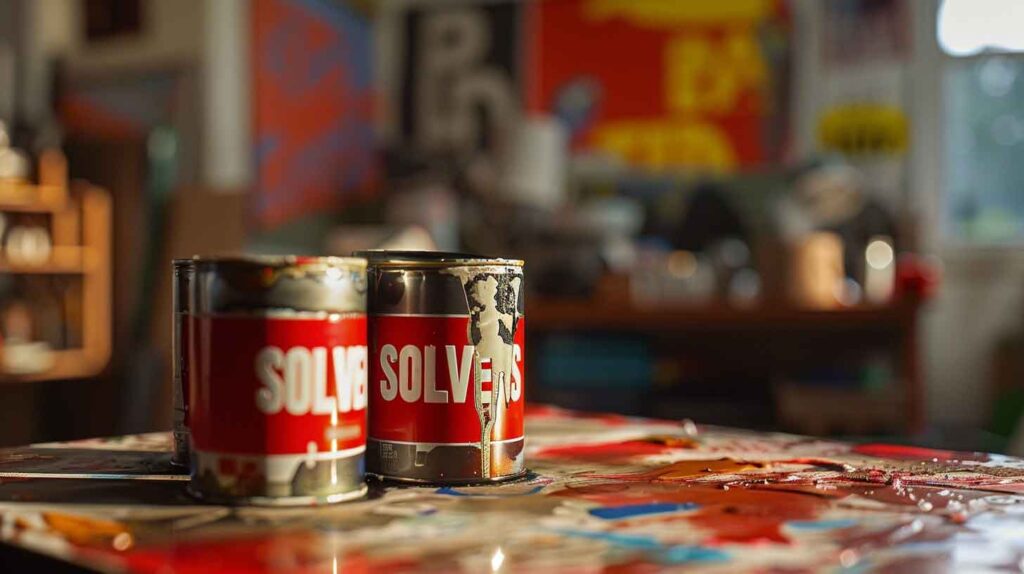
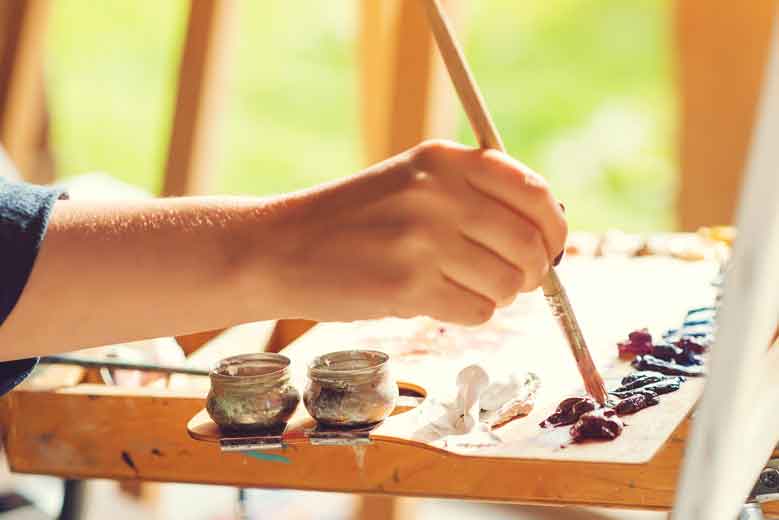
It is impossible to preserve oil paint films that have been extremely thinned out through the use of solvents, such as turpentine or mineral spirits, without a severe change in their appearance. Excessively thinning oil paint creates films that are very much like pastel drawings on paper. There is hardly anything more than the rough tooth of the canvas acting as a binder for pigment. Very frequently, the mere passing of a dry cotton swab (as is the practice in cleaning paintings) over the surface of this type of paint film will result in the removal of some pigment. This condition exists because there is hardly any oil binder present. Once such a paint film becomes soiled with grime, it is almost impossible to remove the grime without removing some pigment.
If such a paint film is protected with varnish, the varnish will become part of the paint film. When it comes time to remove the varnish, it will be impossible to avoid removing quantities of the paint and the varnish.
While diluting oil paint, if the artist uses a solution of highly diluted bodied (stand) oil in turpentine or mineral spirits instead of turpentine or mineral spirits alone, the chance of permanence in such thinned-out paint films would be good.
Why is it difficult to preserve oil paint films that have been heavily thinned with solvents?
Preserving heavily thinned oil paint films is difficult because they resemble pastel drawings on paper, with very little oil binder, making them highly susceptible to pigment removal when cleaned or exposed to grime.
What happens when an extremely thinned oil paint film is cleaned with a dry cotton swab?
Cleaning such a thin oil paint film with a dry cotton swab often results in the removal of some pigment because the film has little to no oil binder holding the pigment in place.
Want to read the full article and unlock all resources? Choose an option below:
Professional varnish removal for oil and acrylic: brand-specific methods, safe testing, gels, solvents, and isolation coats for conservation-minded results.

Learn key safety practices for using solvents in art. Our guide covers everything from safe handling to disposal to ensure artists can work without compromising their health or the environment. Understand the importance of flammability, health risks, and proper studio protocols.
It is impossible to preserve paint films that have been extremely thinned out through the use of solvents, such as turpentine or mineral spirits, without a serious change in their appearance.
Painting on wood panels? Learn how plywood, MDO, and HDO boards serve as durable supports. This guide covers stability, surface prep, pros & cons, and best practices for oil, acrylic, and tempera.
Please note:
This action will also remove this member from your connections and send a report to the site admin.
Please allow a few minutes for this process to complete.
Report
You have already reported this .
Subscribe to Our Newsletter
To begin reading the content, join thousands of artists enjoying our articles. Subscribe to receive updates on artists materials and practices.
Responses