Egg tempera dilution is a central variable in traditional painting practice, yet it is rarely described in technical terms. Understanding egg tempera dilution is essential for controlling handling, surface quality, and long-term stability. Egg yolk has served as a primary binder in painting since antiquity. Its performance arises from a complex emulsion of lipids, proteins, and water that functions simultaneously as dispersant, adhesive, and film-forming medium (Gerony et al., 2025, p. 1).
However, traditional practice requires dilution with water before use. Historical sources describe this step but rarely quantify it. The present study clarifies what actually happens when water is added—and why it matters for painting practice.
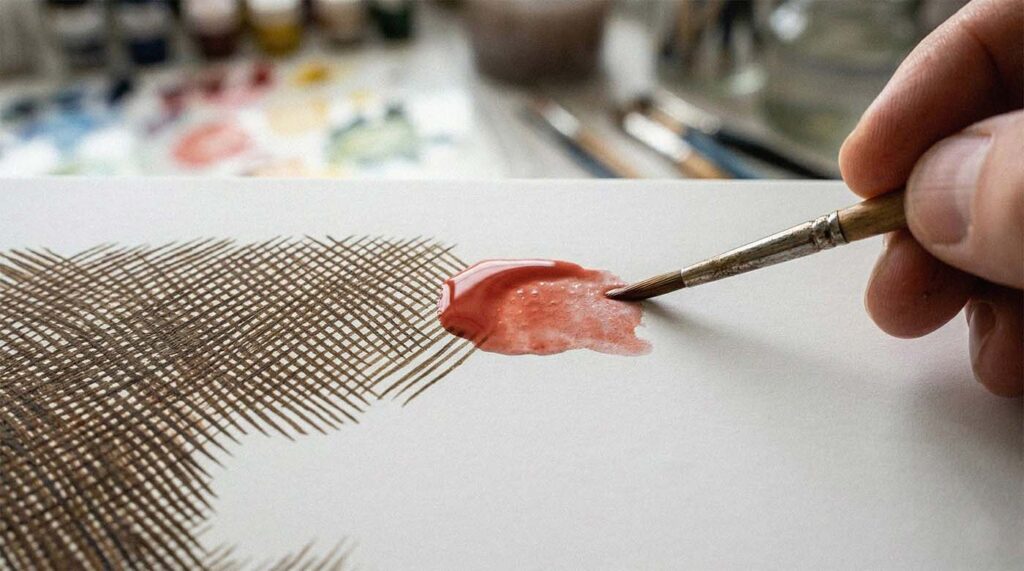
For artists, this question is more important than it may first appear. In studio language, adding water to egg yolk is often treated as a simple adjustment of consistency: more water for finer brushwork, broader washes, or faster application; less water for stronger binding and a more resistant paint. The research by Gerony and colleagues shows that dilution is not merely a matter of making yolk thinner. Water changes the internal organization of the binder itself. It changes how the yolk flows, how it holds pigment, how it sits on a ground, and likely how it dries and ages.
That point deserves emphasis. When an artist dilutes egg yolk, the result is not comparable to adding water to watercolor or even to thinning a modern acrylic dispersion. Egg tempera remains a complex system with proteins, lipids, lipoprotein particles, and naturally contained water already in balance. Additional water shifts that balance. Therefore, the practical question is not simply, “How much water makes this paint easier to use?” It is also, “At what point does easier handling begin to work against film formation, cohesion, and long-term stability?”
This article interprets the authors’ findings with those painterly questions in mind, with a focus on how egg tempera dilution shapes real painting outcomes. For related guidance on handling and surface care, see our article on cleaning oil paintings at /artist-materials/cleaning-oil-paintings. The aim is not to restate the paper as a sequence of technical results, but to translate those results into the experience of mixing, brushing, layering, and observing paint on a panel. The focus is not only on what changes in the laboratory sample, but on what those changes mean when an artist is trying to control stroke, edge, absorbency, translucency, and the look of the dried surface.
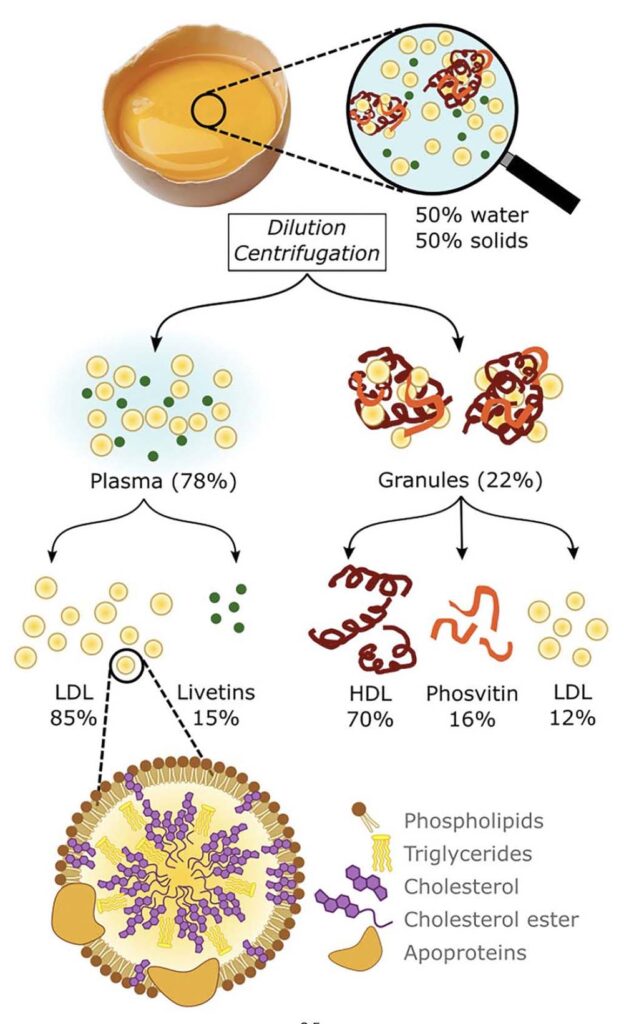
Figure 1. Structure of Egg Yolk Egg yolk is not a simple liquid but a structured system. It contains dispersed particles (lipoproteins) and larger protein-rich granules suspended in water. This internal structure allows tempera to flow under the brush while still holding together as a cohesive paint film. When water is added, this structure is loosened rather than destroyed, which is why dilution improves handling but can reduce control and surface strength.
Binder Structure of Egg Yolk in Egg Tempera Dilution
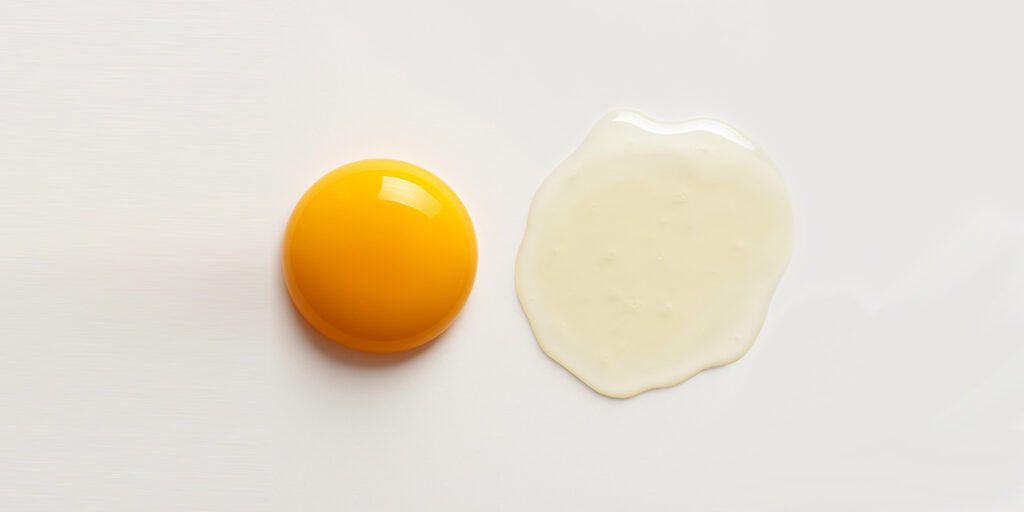
Egg yolk is an oil-in-water emulsion. The continuous phase is aqueous, while dispersed lipoproteins provide stability and binding (Gerony et al., 2025, p. 1).
Want to read the full article and unlock all resources? Choose an option below:
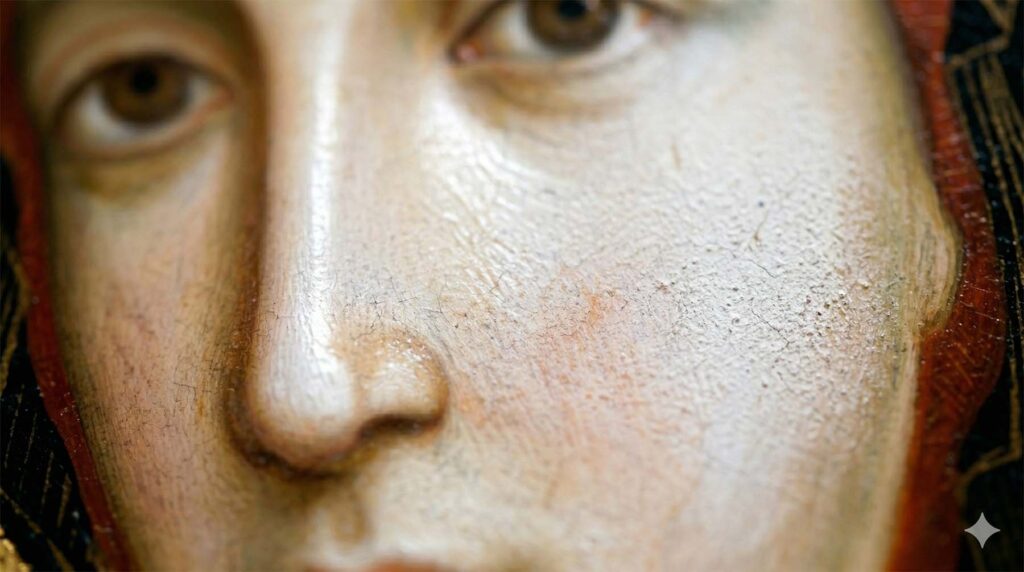
Discover how egg yolk transformed oil paints, enabling the Old Masters to create textured, enduring masterpieces. Learn its artistic and preservation benefits.
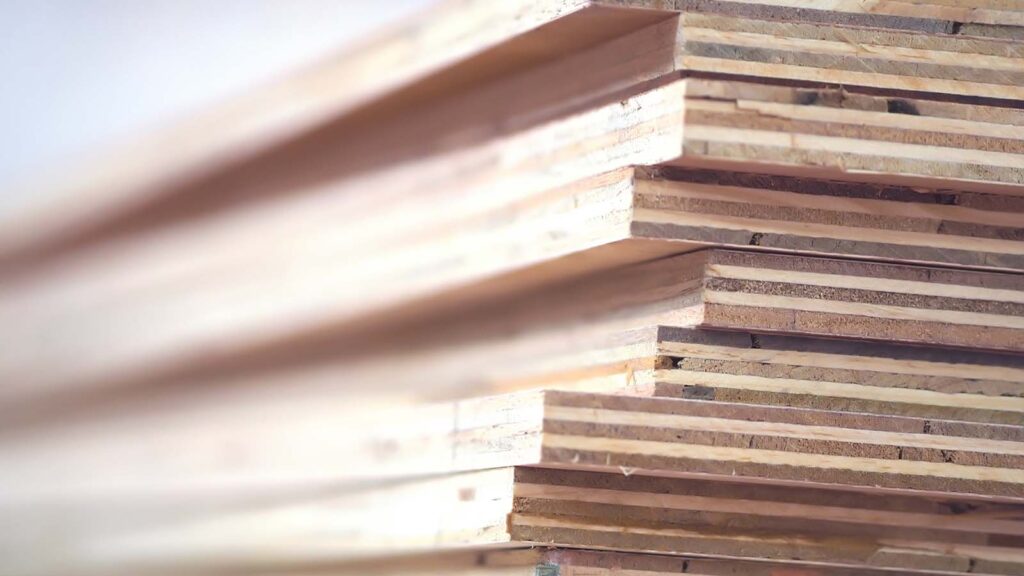
Painting on wood panels? Learn how plywood, MDO, and HDO boards serve as durable supports. This guide covers stability, surface prep, pros & cons, and best practices for oil, acrylic, and tempera.
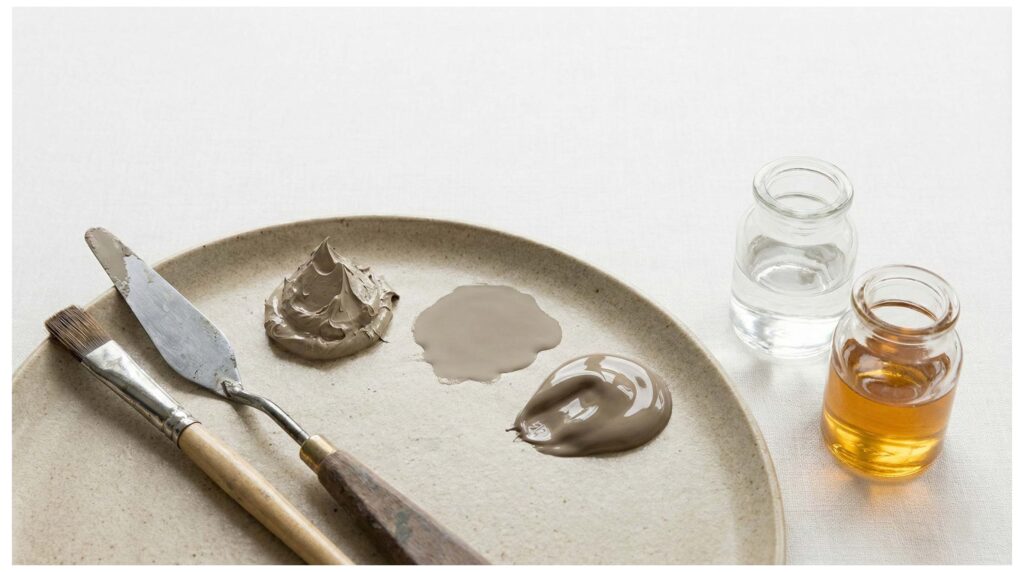
Fat over lean explained with PVC/CPVC. Learn how tube paint, solvents, and mediums change film strength, flexibility, and cracking risk in layered oil and alkyd painting.
Thank you for the great article, George. I do have a question. In painting icons, in the Russian tradition (and probably others) the first layer of pigment is the roskrysh, and what I was taught is that it requires three times the water of the normal egg mixtures, in order to get the different pigment weights to separate and form the “chaos” layer. Is that amount of water of concern from a preservation perspective?
Thanks,
Ann
Report
There was a problem reporting this post.
Block Member?
Please confirm you want to block this member.
You will no longer be able to:
See blocked member's posts
Mention this member in posts
Invite this member to groups
Message this member
Add this member as a connection
Please note:
This action will also remove this member from your connections and send a report to the site admin.
Please allow a few minutes for this process to complete.
Report
You have already reported this .
Subscribe to Our Newsletter
To begin reading the content, join thousands of artists enjoying our articles. Subscribe to receive updates on artists materials and practices.


Thank you for the great article, George. I do have a question. In painting icons, in the Russian tradition (and probably others) the first layer of pigment is the roskrysh, and what I was taught is that it requires three times the water of the normal egg mixtures, in order to get the different pigment weights to separate and form the “chaos” layer. Is that amount of water of concern from a preservation perspective?
Thanks,
Ann