
Live Technical Studio Session
Fat Over Lean: What Artists Get Wrong
If your paint is cracking, wrinkling, or sinking in—this is why
A live Technical Studio Session with George O’Hanlon.
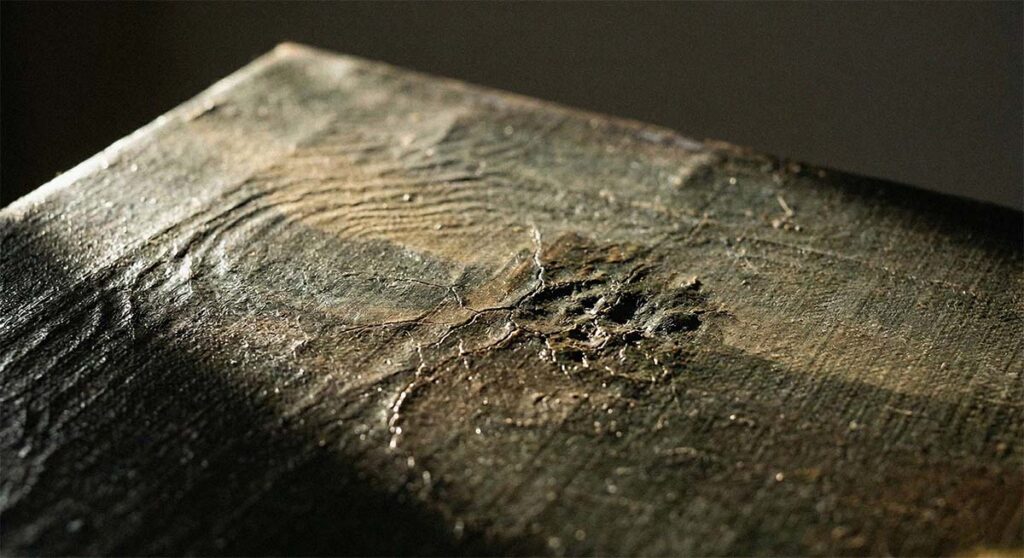
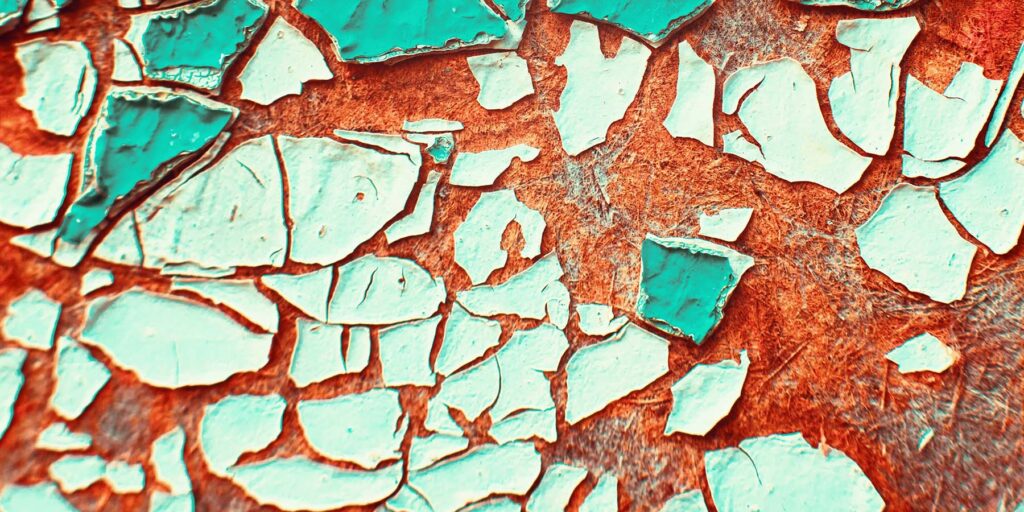
Most artists follow the fat-over-lean rule. Yet still see:
- Dull, sinking passages
- Wrinkling in upper layers
- Paint that won’t adhere
- Cracking over time
The problem is not that the rule was ignored. It’s what actually changes in the paint that was never explained.
Live Technical Studio Session
Thursday, April 30, 2026
10:00 AM Pacific Time
Session Format
This Technical Studio Session is structured to combine focused teaching with practical problem solving:
- 45 minutes — Core presentation
- 15 minutes — Studio Problem Clinic
- 30 minutes — Open Questions & Answers
Seats are limited to keep the session interactive.
Join live to ask questions and get direct guidance.
Replay available only to Artisan members. Technical Studio Sessions are held live each month.
This Session Includes:
- Live breakdown of fat versus lean misconceptions
- Clear explanation of what actually changes in paint
- Practical rules you can apply immediately
- Diagnostic method for identifying paint problems
Designed for serious oil painters, advanced students, and professionals who want deeper control of their materials.
Replay available to Artisan members only
Why Fat Over Lean Fails in Practice
Fat over lean fails because it does not define:
- What “fat” actually is
- What changes when you add medium
- What solvents do to the paint layer
So artists follow the rule—and still get failure. Common results:
- Cracking
Wrinkling
Sinking-in
Oil migration
Weak paint films
These are not random defects. They are predictable outcomes of how paint is constructed.
If You’ve Experienced Any of These—This Session Is For You
- Your darks lose depth and go matte
- Paint behaves differently from one session to the next
- Glazes feel unpredictable
- Thick passages wrinkle or stay soft
- Finished work develops defects later
These are not random issues. They come from how paint is constructed.
What You Will Learn
This session explains the material science and historical practice behind stable painting.
What to Change in Your Paint (Immediately)
• What happens when you add oil, medium, or solvent • Why “fat” and “lean” are misleading terms • How to identify what is happening in your paint
How Paint Actually Works (Without Theory Overload)
• The binder-to-pigment ratio (explained simply) • Why tube paint already works—and how to avoid ruining it • What causes sinking-in, wrinkling, and weak films
Exactly What To Do in Your Studio
• What to do on the first layer • How much medium is too much • When to avoid solvent entirely • How to keep layers stable over time
Studio Problem Clinic
A new feature of the Technical Studio Sessions is the Studio Problem Clinic.
Members may submit studio problems related to the session topic—such as cracking, sinking-in, or unexpected paint behavior. Selected submissions are reviewed during the session.
The goal is not only to answer questions but also to demonstrate the reasoning behind diagnosing painting problems.
This makes each session both a technical presentation and a practical problem-solving discussion.
Examples of issues reviewed:
Sinking-in and dull passages
Paint that won’t adhere
Wrinkling in upper layers
Cracking in finished work
Because these cases come from real studios, the discussion often reveals issues that are rarely covered in books or standard instruction.
Why Attend Live
A live Technical Studio Session gives you more than a recorded lecture.
Get direct guidance on how to adjust your materials—not just theory.
You can see the material presented in sequence, hear the reasoning behind recommendations, and ask questions about your own painting methods during the Q&A.
Ask questions during the session
Follow the argument step by step
Learn from the questions other painters ask
Join a monthly series, not a one-off webinar
- See examples that are not included in written articles
What Happens During a Technical Studio Session
Each session is structured to allow both focused instruction and discussion. Practical decision-making framework for studio use
45 minutes — Core presentation
A structured explanation of the topic.
15 minutes — Studio Problem Clinic
Selected member submissions are reviewed and discussed.
30 minutes — Open Q&A
Participants may ask questions about their own materials and studio practice.
Technical Studio Sessions Are a Monthly Series for Serious Painters
This session is part of the Technical Studio Sessions series at Painting Best Practices.
Artisan members receive access to live monthly sessions focused on the materials, methods, and long-term behavior of oil painting.
Each session focuses on a specific structural problem and how to correct it in practice.
Live monthly technical sessions
Replay access for members
Growing archive of past sessions
Continuing discussion in the community
Artisan Includes
- Access to this live session
- Replay of this session
- Access to future session replays during active membership
- Ongoing technical education through community discussions
- Priority support
The $1 trial is available only to eligible users and auto-renews unless cancelled.
Start Artisan for $1
14-day trial
Best for artists who want the live session and member replay access.
-
Attend the live session
-
Get the replay afterward
-
Access the Technical Studio Sessions archive
-
Continue with future monthly sessions
Auto-renews to Artisan membership unless cancelled before renewal.
Artisan members may submit studio problems for discussion during the Studio Problem Clinic.
Attend This Session for $10
Best for artists who only want to attend the live event.
Attend the live session
Participate in Q&A
No replay included
Replay is not included with the live-only ticket.
Why This Session Is Also the Gateway to Future Technical Studio Sessions
For many artists, the value is not just one session. It is continuing access to a series focused on real studio problems, historical practice, and materials science.
Members gain access to these sessions as they are released and can participate live each month.
Varnishing Oil Paintings
Why Oil Paint Darkens
Why Oil Paint Cracks
Canvas Preparation and Grounds
Topics subject to scheduling, but the series is designed as an ongoing monthly program.

About George O’Hanlon
Technical Studio Session Presenter
George O’Hanlon is the founder of Natural Pigments and Painting Best Practices. His work focuses on artists’ materials, historical painting methods, and the long-term performance of paintings.
This session draws on practical studio knowledge, technical research, and historical evidence to help artists make more durable decisions in their work.
Frequently Asked Questions
1. What is included in the $1 trial?
The eligible 14-day Artisan trial includes access to the live session and, because replay access is reserved for Artisan, access to the replay during active membership.
2. What does the $10 ticket include?
The $10 ticket includes access to the live session and Q&A only. It does not include the replay.
3. What if I cannot attend live?
The replay is available only to Artisan members. If replay access matters, the Artisan option is the better choice.
4. Are Technical Studio Sessions held regularly?
Yes. Technical Studio Sessions are scheduled live each month as part of the continuing program.
5. Can I cancel the trial?
Yes. The trial auto-renews unless cancelled before renewal.
6. Who is this session for?
Yes. Artisan members may submit questions or images related to the session topic. Selected cases are discussed during the Studio Problem Clinic segment of the session.
Stop Guessing What Your Paint Is Doing
Learn how to control your materials directly—instead of relying on rules that don’t explain the outcome.
Seats are limited to keep the session interactive. Live attendees can ask questions about their own work.